

Benefits of Infrared Saunas for Stress: A 2026 Guide
Table of Contents
- How Infrared Saunas Work to Relieve Stress at the Cellular Level
- The Physiological Benefits of Infrared Saunas for Stress: Cortisol, Endorphins, and Heat Shock Proteins
- Nervous System Regulation: Activating the Parasympathetic Response
- Cardiovascular Health, Vasodilation, and Stress-Induced Fatigue
- How to Use an Infrared Sauna for Anxiety: A Step-by-Step Routine
- Infrared Sauna Session Duration: Finding the Right Length for Stress Relief
- Infrared Sauna Safety Precautions Every User Should Know
- Conclusion
Last Updated: August 3, 2026
The benefits of infrared saunas for stress go well beyond simple relaxation. At Thermo Plunge Recovery Systems, we empower athletes and wellness enthusiasts to achieve peak performance and smarter recovery right at home with our professional-grade collection of infrared saunas, ice baths, sauna blankets, and red light therapy tools. Most people treat the sauna as passive relaxation when it is actually an active intervention on your autonomic nervous system, cortisol levels, and neurotransmitter balance. Below, we'll walk you through how infrared heat works at the cellular level, why it outperforms traditional sauna formats for stress relief, and how to build a routine that produces lasting psychological results.
How Infrared Saunas Work to Relieve Stress at the Cellular Level
Infrared saunas use infrared light wavelengths to heat body tissue directly, rather than heating surrounding air first. Traditional saunas raise ambient air temperature to 150°F-195°F. Infrared units operate at 120°F-150°F while penetrating tissue up to two inches deep, the key difference for stress physiology.
At the cellular level, heat exposure triggers relaxation in smooth muscle tissue, promotes vasodilation in blood vessels, and stimulates heat shock protein production. These proteins act as internal repair mechanisms, helping cells manage physiological stress more efficiently over time.
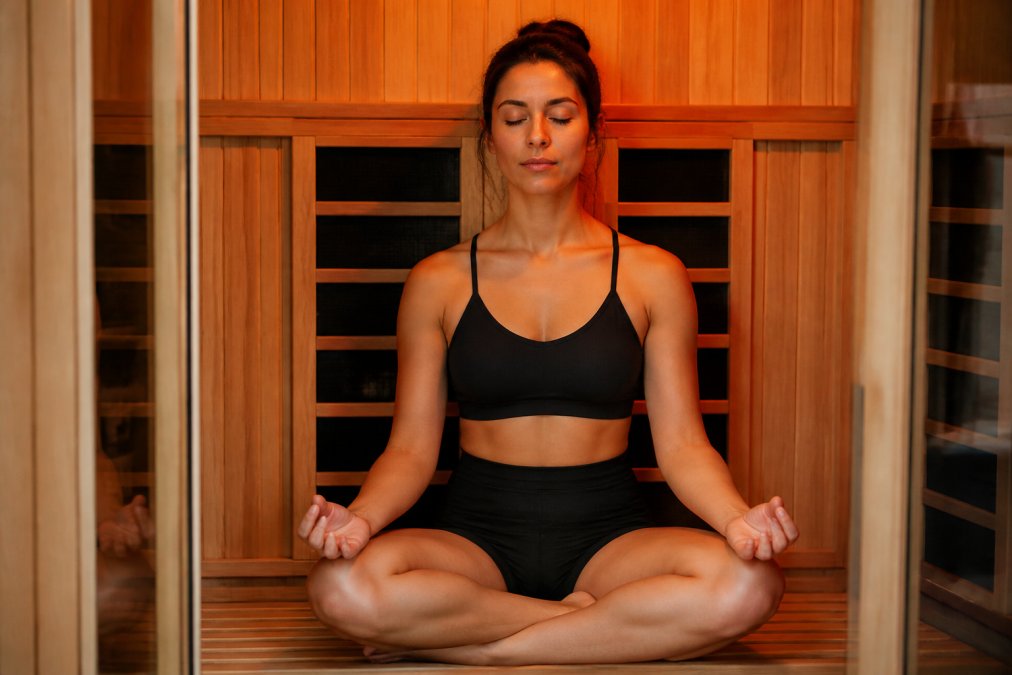
The autonomic nervous system responds quickly to therapeutic heat. Within 10-15 minutes, heart rate increases moderately while peripheral blood vessels dilate, shifting the body from sympathetic "fight or flight" toward parasympathetic "rest and digest" mode. This is the same shift meditation attempts to produce, but infrared heat achieves it through direct physiological pathways.
Infrared Heat vs. Traditional Sauna Heat: What Changes for Stress Relief
Traditional saunas are effective, but high ambient temperatures make sessions uncomfortable for many users, which triggers cortisol rather than calm. Infrared sessions are tolerable at longer durations, allowing the parasympathetic shift to deepen over time. The lower air temperature also makes breathwork and mindfulness far easier to sustain inside the cabin.
According to research on thermal therapy and autonomic nervous system function published by the National Institutes of Health, repeated heat exposure improves autonomic nervous system regulation over time, with benefits accumulating across consistent sessions.
The Physiological Benefits of Infrared Saunas for Stress: Cortisol, Endorphins, and Heat Shock Proteins
The physiological benefits operate through three primary pathways: cortisol suppression, endorphin and serotonin release, and heat shock protein production.
How Cortisol Drops During and After a Session
Cortisol is the body's primary stress hormone. Chronic elevation is associated with anxiety, disrupted sleep, inflammation, and metabolic dysfunction. Infrared heat exposure interrupts this cycle. The initial minutes produce a mild cortisol response as the body adapts to temperature change. Then, as the parasympathetic nervous system activates, cortisol levels drop. Post-session measurements consistently show reduced cortisol compared to pre-session baselines, particularly in regular users. The effect compounds with frequency.
Endorphin Release, Serotonin, and Mood Enhancement
Heat exposure stimulates endorphin release through a mechanism similar to moderate-intensity exercise. Endorphins produce mood enhancement, reduced pain perception, and a sedative effect users describe as a "sauna high" in the 20-40 minutes following a session.
Serotonin synthesis is also supported by infrared heat. Serotonin is a key neurotransmitter in mood regulation, appetite, and sleep. Regular infrared sauna use supports serotonin production, contributing to more stable baseline mood and improved psychological well-being. Users who are consistent with two to four sessions per week commonly report reduced anxiety, better sleep quality, and a noticeably lower stress floor within three to four weeks.
Heat Shock Proteins and Long-Term Stress Resilience
Heat shock proteins are molecular chaperones produced by cells under thermal stress. They prevent protein misfolding, repair cellular damage, and support immune function. Each infrared session creates a mild, controlled stressor that prompts the body to upregulate its repair systems. Over weeks and months, this produces a measurably more resilient stress response at the physiological level.
Nervous System Regulation: Activating the Parasympathetic Response
Most stress management strategies work top-down: you change thoughts or behaviors to influence physiology. Infrared sauna works bottom-up, which is significant.
The parasympathetic nervous system governs rest, digestion, tissue repair, and emotional regulation. Chronic stress suppresses parasympathetic activity and keeps the sympathetic system dominant, leaving stressed individuals unable to "switch off." Infrared heat breaks that loop through direct physiological input. As core body temperature rises, the hypothalamus signals the autonomic nervous system to shift toward parasympathetic dominance. Heart rate variability improves during and after sessions. Muscle tension releases as blood flow increases to peripheral tissues.
Cardiovascular Health, Vasodilation, and Stress-Induced Fatigue
Stress and cardiovascular function are deeply connected. Chronic psychological stress elevates blood pressure, increases inflammatory markers, and impairs circulatory health. Infrared sauna use addresses several of these pathways simultaneously.
Vasodilation is the primary mechanism at work. As infrared heat penetrates tissue, blood vessels dilate to dissipate heat and increase blood flow. This reduces peripheral vascular resistance, translating to lower blood pressure readings in regular users. According to cardiovascular research on sauna bathing from the Harvard T.H. Chan School of Public Health, regular sauna use is associated with meaningful reductions in cardiovascular disease risk, with frequency correlating to greater protective effect.
Stress-induced fatigue is addressed through deep tissue relaxation, improved circulatory health, and better sleep quality. The metabolic rate increases during a session as the body works to regulate temperature, providing a mild cardiovascular challenge similar to low-intensity aerobic effort without the cortisol spike of high-intensity exercise.
How to Use an Infrared Sauna for Anxiety: A Step-by-Step Routine
Learning to use an infrared sauna for anxiety effectively requires a structured protocol.
Step 1: Pre-session hydration (15 minutes before) Drink 16-20 oz of water before entering. Add electrolytes if you have been exercising.
Step 2: Set temperature and intention (5 minutes) Set your cabin to 130°F-140°F for a stress-focused session. Before entering, take three slow breaths and set a clear intention.
Step 3: First 10 minutes - passive warming Sit comfortably and allow the heat to work. This is where cortisol begins its descent and the parasympathetic shift initiates.
Step 4: Minutes 10 to 25 - active mindfulness or breathwork This is the optimal window for integrating mindfulness practices. The nervous system is already shifting toward parasympathetic dominance.
Step 5: Minutes 25 to 35 - deep relaxation phase Most users reach peak relaxation in this window. Endorphin release is active and muscle tension has largely resolved.
Step 6: Exit and cool down Exit slowly. Sit for two to three minutes before standing to allow blood pressure to stabilize.
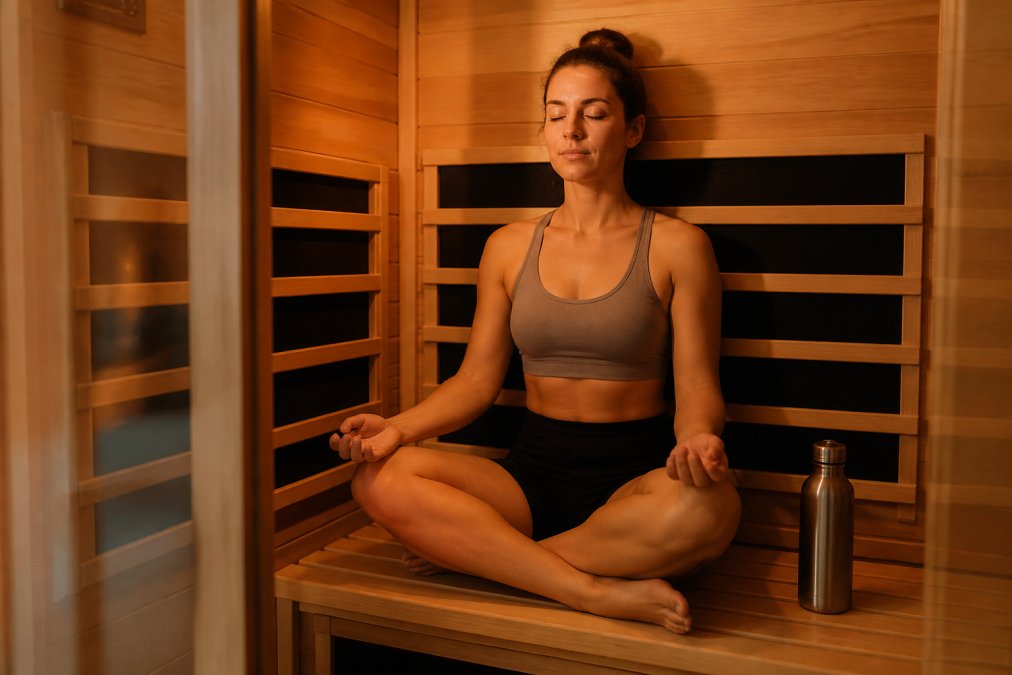
Integrating Mindfulness Practices Inside the Sauna
The sauna is one of the best environments for mindfulness practice. The heat naturally suppresses the analytical mind and reduces cognitive chatter that makes seated meditation difficult for beginners.
Box breathing is particularly effective: inhale for four counts, hold for four, exhale for four, hold for four. Body scan meditation works well too, since the heat gives you concrete physical sensations to anchor attention to. The combination of thermal therapy and mindfulness produces a synergistic effect on anxiety management.
Post-Sauna Cooling Protocols That Deepen the Relaxation Response
What you do in the 20 minutes after your session determines how deeply the relaxation response sets in. A gradual cool-down is optimal for pure stress relief. Sit in a cool room at 65°F-70°F for five to ten minutes. Allow your heart rate to return toward resting naturally. Drink water with electrolytes. Avoid screens for at least 15 minutes post-session.
If you have access to cold water therapy, a brief cold exposure of 30-60 seconds after a full cool-down can amplify mood-enhancing effects through additional endorphin and norepinephrine release. Thermo Plunge Recovery Systems offers ice bath systems designed to work alongside infrared sauna protocols, creating a contrast therapy sequence that maximizes both recovery and stress relief outcomes.
Infrared Sauna Session Duration: Finding the Right Length for Stress Relief
The optimal session length for stress relief is 20-35 minutes at 130°F-140°F. Sessions shorter than 15 minutes do not allow sufficient time for the full parasympathetic shift. Sessions longer than 45 minutes offer diminishing returns and increase dehydration risk.
| Goal | Recommended Duration | Temperature | Frequency |
|---|---|---|---|
| Acute stress relief | 20-25 minutes | 130°F-140°F | As needed |
| Anxiety management | 25-35 minutes | 125°F-135°F | 3-4x per week |
| Long-term stress resilience | 30-35 minutes | 130°F-145°F | 4-5x per week |
| Muscle recovery + stress | 30-40 minutes | 135°F-145°F | 3-4x per week |
| Sleep improvement | 25-30 minutes | 120°F-130°F | 4-5x per week |
Beginners should start at 15-20 minutes and build tolerance over two to three weeks. Frequency matters more than session length in the early weeks.
Building a Psychological Habit That Actually Sticks
The science on sauna stress relief is compelling. The harder problem is consistency. Most people abandon routines within three weeks because they have not built the psychological scaffolding around the habit.
Practical strategies that work:
- Anchor the session to an existing habit. Post-workout sauna use is the most common and effective anchor.
- Set a non-negotiable minimum. On days when motivation is low, commit to just 10 minutes.
- Track your mood pre and post session. The contrast is motivating in a way abstract health goals are not.
- Reduce friction aggressively. A home infrared sauna eliminates the biggest barrier: commute time.
According to behavioral science research on habit formation from the American Psychological Association, habits formed through consistent contextual cues require an average of 66 days to become automatic.
Infrared Sauna Safety Precautions Every User Should Know
Hydration is the most important variable. Dehydration is the leading cause of adverse events. Drink water before, during if sessions exceed 20 minutes, and after every session.
Medical clearance matters for specific populations. Individuals with cardiovascular conditions, low blood pressure, pregnancy, or active infections should consult a physician before beginning regular use.
Alcohol and sauna use do not mix. Alcohol impairs thermoregulation and dramatically increases dehydration and cardiovascular stress risk.
Listen to exit signals. Dizziness, nausea, heart pounding, or sudden cold sensations indicate the body's thermoregulation system is under strain. Exit immediately.
Medications can alter heat tolerance. Diuretics, antihistamines, and certain blood pressure medications change how the body responds to heat. Review your medication list with a healthcare provider.
The safety profile of infrared sauna use is excellent for healthy adults who follow basic protocols.
Managing chronic stress requires tools that work at the physiological level. If you are ready to add a professional-grade thermal therapy system to your recovery routine, Thermo Plunge Recovery Systems offers a full range of infrared saunas and complementary cold therapy equipment with free shipping, a 30-day guarantee, and 24/7 support. Shop the Thermo Plunge Recovery Systems collection and start building a stress management routine that actually holds.
Frequently Asked Questions
Is an infrared sauna good for anxiety?
Regular infrared sauna use supports anxiety management by activating the parasympathetic nervous system, which shifts the body out of its fight-or-flight state. The therapeutic heat encourages vasodilation, lowers physiological stress markers like cortisol, and promotes endorphin and serotonin release. Many users report improved mental clarity and a calmer baseline mood after consistent sessions. For best results, pair each session with slow, intentional breathing and follow with a brief cool-down period.
Do infrared saunas help with cortisol?
Infrared sauna sessions are associated with reductions in cortisol, the body's primary stress hormone. Sustained heat exposure encourages the autonomic nervous system toward a parasympathetic state, which suppresses the cortisol-producing stress response. The effect is most noticeable when sessions are consistent, ideally three to four times per week. Pairing sessions with post-sauna cooling and mindful breathing appears to extend the cortisol-lowering benefit beyond the sauna itself.
How long should an infrared sauna session be to maximize stress reduction?
For stress relief, most practitioners recommend starting with 15-20 minute sessions at 120-140°F and building gradually toward 30-45 minutes as heat tolerance improves. Shorter sessions still activate the relaxation response and endorphin release; longer sessions add deeper muscle tension relief and more pronounced cardiovascular benefits. Infrared sauna session duration should always be guided by how you feel: exit immediately if you feel dizzy, nauseous, or overheated, regardless of time elapsed.
How does infrared heat differ from traditional sauna heat for stress relief?
Traditional saunas heat the air to 170-200°F, creating an intense environment that some people find uncomfortable rather than relaxing. Infrared saunas operate at 120-150°F by delivering radiant heat that warms the body directly, producing a gentler, more tolerable experience. This lower ambient temperature makes longer, more consistent sessions easier to maintain, which matters for habit formation and sustained stress hormone regulation. The deeper tissue penetration of infrared heat also promotes more thorough muscle tension release.
What are the main safety precautions for infrared sauna use?
Key infrared sauna safety precautions include staying well-hydrated before and after each session, limiting alcohol consumption on sauna days, and avoiding sessions if you have uncontrolled hypertension, are pregnant, or have a condition affecting heat tolerance. Always consult a physician before starting regular sauna use if you have cardiovascular conditions. Keep sessions to a comfortable duration, exit if you feel lightheaded, and cool down gradually rather than jumping into extreme cold immediately after your first few sessions.
Can someone who is not an athlete benefit from infrared sauna stress relief?
Absolutely. The stress-relief benefits of infrared saunas, including cortisol reduction, improved sleep quality, mood enhancement through endorphin release, and nervous system regulation, apply regardless of fitness level. The therapeutic heat works on the autonomic nervous system and stress hormone pathways in every user. People primarily seeking better sleep, reduced anxiety, or daily stress management often report some of the most noticeable improvements, since they tend to start from a higher baseline of chronic stress.
This article was written using GrandRanker