

Best Cold Plunge for Gym Owners: 2026 Guide
Table of Contents
- What Gym Owners Need in a Commercial Cold Plunge
- Top Cold Plunge Models for Commercial Fitness Centres
- Cold Plunge Sanitation Protocols for High-Traffic Facilities
- Commercial Ice Bath Maintenance: Durability and Upkeep
- Cold Plunge ROI for Fitness Centres: Member Retention and Pricing
- Installation, Electrical, and Compliance Considerations
- Frequently Asked Questions
Last Updated: September 3, 2026
What Gym Owners Need in a Commercial Cold Plunge
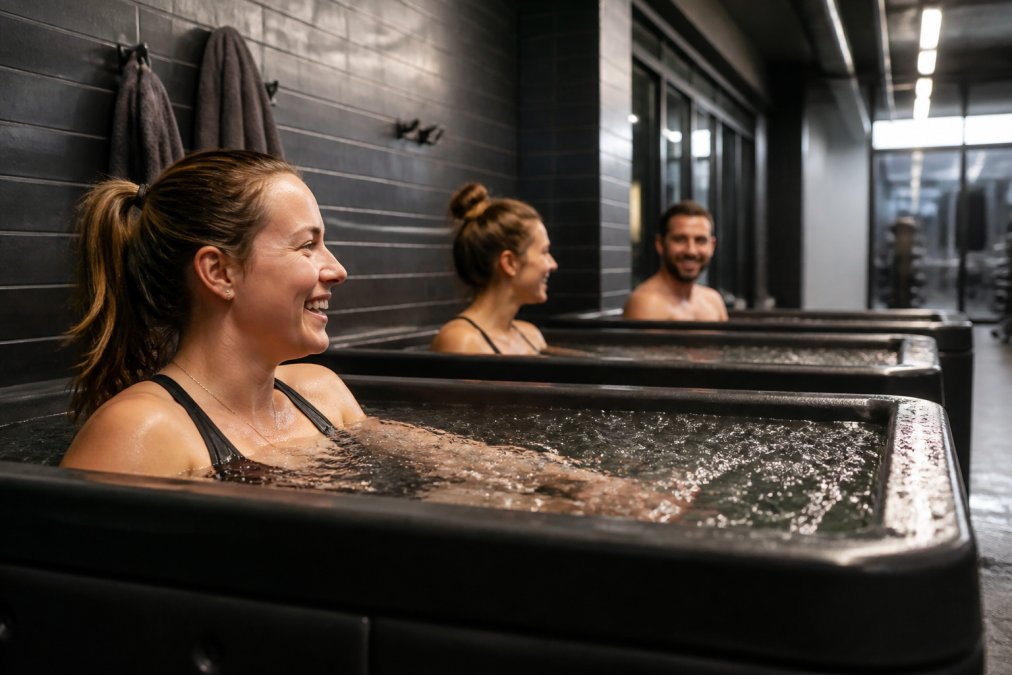
Running a fitness facility means constantly looking for ways to differentiate your offering and keep members coming back. A commercial-grade cold plunge has become one of the effective recovery amenities you can install. But not every ice bath setup works for high-traffic gyms, the equipment needs to handle daily use, maintain precise temperatures, and keep water sanitation standards compliant with local health departments.

When evaluating a cold plunge for gym owners, you're making three decisions at once: the tub itself, the cooling system, and the ongoing maintenance infrastructure. Each component directly affects member experience, operational costs, and liability exposure.
The best cold plunge for gym owners balances durability, temperature stability, and sanitation capability. A system that can't maintain consistent temperature or keep water chemistry in check becomes a liability.
Understanding your facility's electrical capacity, water circulation needs, and daily member volume is critical. A 160-gallon tub might seem spacious until members per day want to use it. Suddenly you're managing water turnover, chemical balance, and equipment downtime.
Top Cold Plunge Models for Commercial Fitness Centres
For commercial facilities, you need equipment built to withstand high-traffic use without constant repairs. The models below are designed specifically for gyms, wellness centres, and recovery-focused facilities.
Upgrade XL Ice Bath Tub: High-Capacity Recovery Solution
The Upgrade XL Ice Bath Tub is the foundation piece for any commercial cold plunge setup. At 160 gallons, it accommodates multiple members per session and handles daily gym use better than smaller portable models. The insulated thermal lid keeps water temperature stable between sessions, which matters when running back-to-back recovery classes or individual member bookings.
This model works for gyms because it's compatible with professional water chillers, meaning you're not relying on ice refills or manual temperature control. The reinforced construction handles repeated use, and the portability means you can relocate it if your facility layout changes.
Pricing: $648.95
Best for: Gyms with active members seeking a reliable, durable tub that integrates with professional chiller systems.
Pros:
- Extra-large 160-gallon capacity handles multiple daily users
- Insulated thermal lid reduces heat loss between sessions
- Compatible with water chiller systems for precise temperature control
- Durable construction withstands high-traffic daily use
- Portable design allows facility reconfiguration
Cons:
- Requires separate chiller unit investment (additional $999.95+)
- Needs dedicated space and proper drainage setup
- Inflatable design requires inspection for wear over time
Water Chiller with 1/3 HP Cooling: Precision Temperature Control
This component separates professional gyms from DIY home setups. The 1/3 HP water chiller cools water down to 39°F and maintains that temperature consistently, which is critical for both safety and member experience. At colder temperatures, even a 2-3 degree variance affects how members perceive the recovery benefit.

Cold water immersion at proper temperatures (39-50°F) triggers specific physiological responses that reduce inflammation. Outside that range, you lose the anti-inflammatory benefits members are paying for.
This chiller includes a built-in filtration system and timer, which handles two critical operational needs. The filter keeps water clean between full changes, and the timer lets you schedule cooling cycles to match your member usage patterns.
Pricing: $999.95
Best for: Gyms installing a permanent cold plunge recovery program with daily member use.
Pros:
- Cools water to 39°F for optimal cold therapy response
- Energy-efficient 1/3 HP motor reduces operating costs
- Built-in filter extends water life between full changes
- Timer function allows scheduled cooling cycles
- Works with any tub, offering flexibility in setup
Cons:
- Requires dedicated electrical circuit (240V recommended)
- Needs proper drainage and water supply connections
- Ongoing filter maintenance adds to operational workload
- Chiller noise may require sound insulation in small spaces
Ultimate Recovery & Wellness Bundle: Complete Facility Setup
The Ultimate Recovery & Wellness Bundle combines the XL Ice Bath Tub, the 1/3 HP Water Chiller, and a full-body red light therapy pad, creating a complete recovery protocol that members can't get at competing facilities.
Most gyms offer weights and cardio. Very few offer integrated cold and red light therapy in a single session. This bundle lets you market a complete recovery experience: 3-5 minutes in the cold plunge followed by 10-15 minutes under the red light therapy pad. The red light therapy accelerates muscle recovery and reduces inflammation faster than cold therapy alone. When combined, cold plunge and red light therapy create a synergistic effect, the cold reduces acute inflammation, and the red light stimulates cellular repair.
Pricing: $2,199.95
Best for: Boutique gyms, CrossFit boxes, and performance centres targeting serious athletes and wellness-focused members willing to pay premium rates for comprehensive recovery.
Pros:
- Complete system eliminates compatibility issues
- Red light therapy adds premium recovery benefit unavailable elsewhere
- Integrated setup reduces installation complexity
- Positions your facility as a recovery destination
- Justifies premium membership pricing
Cons:
- Highest upfront investment of all options
- Requires significant floor space
- More complex electrical and plumbing requirements
- Higher ongoing maintenance across three integrated systems
Cold Plunge Sanitation Protocols for High-Traffic Facilities
Water sanitation is where most gym owners stumble. With members cycling through per week, your water becomes a potential vector for bacteria, viruses, and fungal infections if sanitation protocols aren't rigorous.
The baseline standard is keeping water chemistry within safe parameters: chlorine levels between 2-4 ppm (parts per million), pH between 7.2-7.6, and alkalinity between 80-120 ppm. These thresholds ensure chlorine actually kills pathogens without irritating skin.
Chlorine alone is insufficient. At 39°F, chlorine's disinfection rate drops significantly, which means you need higher concentrations or additional sanitation methods. Ozone systems or UV sterilization become valuable, ozone oxidises organic matter and pathogens that chlorine misses, while UV light directly destroys bacteria and viruses without chemical residue.
Your sanitation schedule should include:
- Daily water testing (chlorine, pH, alkalinity)
- Weekly deep filter cleaning
- Bi-weekly water chemistry adjustment
- Monthly full water change (drain, clean tub, refill)
- Quarterly professional water analysis
Local health departments inspect commercial water facilities, and violations carry fines. More importantly, if a member contracts a waterborne illness traced to your facility, your liability exposure is substantial. Proper documentation of sanitation protocols is your legal defence.
Consider investing in an automated water monitoring system that tracks chlorine, pH, and temperature in real time. These systems alert you when levels drift out of range, preventing scenarios where water chemistry is compromised without your knowledge.
Commercial Ice Bath Maintenance: Durability and Upkeep
A commercial cold plunge requires consistent maintenance to avoid costly downtime. The difference between a 3-year lifespan and a 7-year lifespan often comes down to preventive maintenance discipline.
For the tub itself, inspect the thermal insulation and seals monthly. Water pressure and temperature cycling create stress on seals and insulation layers. Small leaks that go unnoticed become major problems, a slow leak from a 160-gallon tub can waste water per week. Replace seals annually as preventive maintenance, not reactively when they fail.
The chiller unit needs filter changes every 2-4 weeks depending on member volume. A clogged filter forces the chiller to work harder, consuming more energy and reducing cooling efficiency. If your filter goes too long without replacement, you risk the chiller overheating and shutting down mid-session.
The water circulation system (pipes, connections, pump) should be inspected quarterly for mineral buildup or corrosion. Hard water causes calcium and magnesium deposits that restrict water flow and reduce cooling efficiency. If you're in an area with hard water, consider installing a water softener or adding a chelating agent to your sanitation protocol.
Document all maintenance in a log. Track filter changes, water chemistry tests, seal replacements, and any repairs. This documentation helps you identify patterns and protects you legally if a member questions whether your equipment was properly maintained.
Cold Plunge ROI for Fitness Centres: Member Retention and Pricing
The financial case for a commercial cold plunge depends on how aggressively you market it and how effectively you integrate it into your member experience. Equipment investment only makes sense if it drives member retention or allows premium pricing.
Member retention is the real ROI driver. If a cold plunge reduces member churn, you've paid for the equipment. Members who use recovery amenities stay longer because they see measurable performance improvements and feel they're getting premium treatment.
For pricing strategy, position cold plunge access as a premium add-on rather than a standard amenity. High-performance athletes and serious fitness enthusiasts will pay premium rates without hesitation. Even if only a percentage of your members adopt the cold plunge add-on, that's meaningful recurring revenue.
The secondary ROI comes from class premiumisation. Offer "Cold Plunge Recovery" classes that combine strength training with structured cold plunge protocols. These classes attract new members and create a differentiated offering competitors can't easily copy.
Installation, Electrical, and Compliance Considerations
Before you order a commercial cold plunge, verify that your facility can actually support it. This is where many gym owners encounter expensive surprises.
Electrical requirements depend on your chiller model. A 1/3 HP chiller typically requires a dedicated 240V circuit with 20-30 amp capacity. If your facility has outdated electrical infrastructure, upgrading to support this might be costly. Have a licensed electrician evaluate your panel before committing to equipment.
Water supply and drainage are equally critical. Your cold plunge needs a dedicated drain line that can handle 160 gallons of water. If your facility's plumbing was designed for bathrooms only, adding a high-volume drain might require rerouting pipes. If your facility is on a septic system, consult your septic provider about water volume impact.
Space planning matters more than most owners realise. A 160-gallon tub requires 8-10 feet of floor space, plus clearance for the chiller unit and water circulation plumbing. The chiller generates heat and noise, so place it away from locker rooms or quiet recovery areas.
Compliance with local health departments is non-negotiable. Contact your local health authority and ask about regulations for commercial water immersion facilities. Some jurisdictions require specific water testing protocols, documented sanitation procedures, or regular third-party water analysis.
Liability insurance is another consideration. Inform your insurance provider that you're installing a cold plunge. Some policies require additional coverage or specific safety protocols. The cost is usually minimal but critical for risk management.
| Consideration | Requirement | Timeline |
|---|---|---|
| Electrical upgrade | 240V dedicated circuit, 20-30 amp | 1-2 weeks |
| Plumbing installation | Water supply line, dedicated drain | 1-2 weeks |
| Space allocation | 8-10 feet floor space, mechanical room | N/A |
| Health department approval | Sanitation protocol documentation | 2-4 weeks |
| Insurance coverage | Additional liability coverage | 1 week |
| Chiller installation | Professional setup and testing | 1 day |
Investing in a commercial cold plunge requires upfront capital and ongoing operational discipline, but the member retention and revenue benefits justify the investment for most gyms. The Upgrade XL Ice Bath Tub paired with the 1/3 HP Water Chiller creates a reliable, scalable system that handles daily high-traffic use.
At Thermo Plunge Recovery Systems, we empower athletes and wellness enthusiasts to achieve peak performance and smarter recovery right at home with our professional-grade collection of infrared saunas, ice baths, sauna blankets, and red light therapy tools. We deliver the ultimate in relaxation and accelerated recovery, helping you train harder and bounce back faster, all backed by our commitment to your well-being, including free shipping, a 30-day guarantee, and 24/7 support for a truly hassle-free experience. Our equipment is built specifically for commercial facilities, not adapted from home models. The 30-day guarantee means you can test the system with your members risk-free, and our 24/7 support team is available when you need guidance on installation, sanitation protocols, or operational questions.
Start with the Ultimate Recovery & Wellness Bundle. Get your sanitation and maintenance protocols dialled in over the first month. Then layer in premium classes or membership add-ons to capture the revenue upside.

CDC guidelines on water safety and recreational facilities
ANSI/NSF standards for commercial water treatment systems
International Journal of Sports Medicine research on cold water immersion protocols
Frequently Asked Questions
Q: What temperature should a commercial cold plunge maintain for gym members?
A: Most commercial facilities maintain cold plunges between 39°F and 55°F depending on member tolerance and recovery goals. The Thermo Plunge Water Chiller cools water to 39°F for optimal cold therapy. Start new members at warmer temperatures (50-55°F) and gradually lower as they acclimate. Consistency matters more than extreme cold, a chiller unit with temperature stability ensures members get reliable recovery benefits every session.
Q: How does cold plunge ROI for fitness centres translate to membership growth?
A: Gyms offering cold therapy can see improved member retention. A cold plunge investment typically pays for itself through increased sign-ups and reduced churn. Market it as an exclusive recovery amenity, bundle it with personal training packages, or charge per session. Member retention is the primary ROI driver, keeping existing members costs far less than acquiring new ones.
Q: What are the key differences between home and commercial-grade cold plunges?
A: Commercial models prioritise durability, user capacity, and thermal regulation for high-traffic use. The Upgrade XL Ice Bath Tub (160-gallon capacity) accommodates multiple members daily, while home units handle occasional use. Commercial units require robust filtration systems, faster chiller recovery times, and reinforced construction. They also demand stricter sanitation protocols and compliance with local health department regulations. Budget and space differ significantly, commercial setups typically cost more than home options.
Q: How often should you perform cold plunge sanitation protocols in a busy gym?
A: Daily sanitation is essential for high-traffic facilities. Check water chemistry (pH, chlorine/bromine levels) regularly, drain and deep-clean the tub weekly, and replace filters monthly. Cold plunge sanitation protocols should include brushing interior surfaces, testing water quality with a kit, and documenting all maintenance. UV sterilisation or ozone sanitation systems reduce manual cleaning labour. Most facilities assign staff time daily to sanitation tasks, a small investment that prevents infections and extends equipment life.
This article was written using GrandRanker