

Best Materials for Outdoor Cold Plunge Tubs
Table of Contents
- Materials That Matter for Outdoor Cold Plunge Tubs
- PVC: Durability and Affordability for Outdoor Use
- Stainless Steel Cold Plunge Tubs: Corrosion Resistance and Longevity
- Acrylic Cold Plunge Tubs: Clarity and Aesthetic Appeal
- Cold Plunge Tub Insulation: Temperature Retention and Weather Protection
- Outdoor Cold Plunge Maintenance by Material Type
- Choosing the Right Material for Your Backyard Setup
- Frequently Asked Questions
Last Updated: October 12, 2026
Materials That Matter for Outdoor Cold Plunge Tubs
When you invest in an outdoor cold plunge tub, the material determines how long it lasts, how well it handles weather, how easy it is to maintain, and whether you'll still be using it five years from now.
Outdoor cold plunge tubs face relentless stress: UV rays break down polymers, freeze-thaw cycles crack rigid materials, moisture seeps into insulation, and wind pushes on unsupported walls. The material you select either stands up to this punishment or it doesn't.
This guide breaks down the main material options for outdoor cold plunge tubs, how each performs in real conditions, and what to prioritise based on your climate and usage patterns.
PVC: Durability and Affordability for Outdoor Use
PVC (polyvinyl chloride) is the most common material for portable and semi-permanent outdoor cold plunge tubs. It's affordable, flexible enough to handle some movement, and naturally waterproof, no liner required. But not all PVC is created equal, and the differences matter when your tub lives outside year-round.
How PVC performs against the elements
Quality PVC formulations include UV stabilizers and plasticizers that slow polymer breakdown. Without them, PVC chalks, yellows, and becomes brittle within a single summer of direct sun; with them, a well-made tub can last three to seven years outdoors. Verify that the manufacturer explicitly states UV resistance, not just "weatherproof."
Cold is PVC's real weakness. Below freezing, it stiffens and loses impact resistance, and freezing water can crack the shell or separate seams. Insulation isn't optional in cold climates: it buffers the material from rapid temperature swings and reduces ice formation against the PVC surface. Even so, PVC tubs in hard-freeze regions typically last two to three seasons unless drained and stored during winter.
Freeze-thaw cycles and ground movement
In regions with repeated freeze-thaw cycles, the ground shifts, and PVC's flexibility is an advantage over rigid acrylic or stainless steel because it can flex slightly without cracking. Seams and fittings are the weak points, so look for heat-welded or reinforced seams rather than glued joints, which fail faster under thermal stress.
Repairability and lifecycle cost
Installation matters more than the material itself
Even the best PVC tub fails prematurely if installed poorly. Place it on a level, well-drained surface such as concrete, pavers, or a reinforced deck, and avoid direct soil contact, which traps moisture and accelerates degradation. In sunny climates, position the tub so intense afternoon sun hits the insulated cover rather than the sidewalls; in freeze-thaw regions, elevate it slightly so melting snow and ice don't pool around the base.
Water contact and safety
Our Upgrade XL Ice Bath Tub - Portable Cold Plunge for Athletes uses PVC construction and features an insulated thermal lid, keeping the material stable as outdoor temperatures fluctuate. Its 160-gallon capacity and chiller compatibility suit serious recovery work outdoors.

For outdoor use, prioritise PVC formulations that explicitly state UV resistance and include insulation, ensure proper drainage to prevent water pooling around the base, and consider a protective cover during off-season storage.
Stainless Steel Cold Plunge Tubs: Corrosion Resistance and Longevity
Stainless steel won't rust, doesn't degrade in sunlight, and handles temperature extremes without cracking.
It resists corrosion even in humid or coastal environments where chlorine or salt spray accelerates degradation of other materials. Stainless steel conducts heat efficiently, which is a drawback for temperature retention but an advantage when a chiller actively cools the water.
An uninsulated stainless tub loses temperature rapidly outdoors, so you'll need external insulation (foam jackets, blankets, or buried insulation). It also requires regular cleaning to prevent mineral deposits, especially with hard water.
For outdoor cold plunge tubs, stainless steel works best paired with a dedicated chiller and insulation strategy.
Acrylic Cold Plunge Tubs: Clarity and Aesthetic Appeal
Acrylic offers a middle ground: transparent or tinted, aesthetically appealing, and more durable than basic plastic.
Outdoors, acrylic has limitations. It's more UV-resistant than standard plastics, but prolonged direct sunlight still causes yellowing and brittleness. It's also more rigid than PVC, so it's less forgiving of ground movement or thermal stress.
Acrylic works best for outdoor cold plunge tubs in shaded locations or climates with moderate UV exposure; in sunny regions with intense afternoon heat, it degrades faster than PVC or stainless steel.
Cold Plunge Tub Insulation: Temperature Retention and Weather Protection
Insulation is where material choice becomes truly critical for outdoor performance. A tub without adequate insulation loses temperature rapidly in cold weather, forcing your chiller to work constantly and driving up energy costs. Insulation isn't a single material but a system, and understanding how it works helps you evaluate tubs beyond marketing claims.
Shell material vs. insulation: they're different things
A common mistake is assuming the tub material provides insulation. It doesn't. PVC, stainless steel, and acrylic are structural shells; insulation sits between the water and the outside air.
How insulation works in cold plunge tubs
Insulation slows heat transfer. In a cold plunge, you're keeping water cold by preventing heat from entering, and the insulation's R-value (thermal resistance) determines how well it does this. Most portable tubs use foam layers, EPE (expanded polyethylene) foam, or closed-cell foam; thicker, denser foam means higher R-value and slower temperature gain.
Multi-layer insulation systems
Our Portable Bathtub - Foldable Adult Spa & Ice Bath features 6-layer insulation combining waterproof PVC, polyester mesh, PVC insulation board, and low-temperature EPE foam, keeping water temperature stable while protecting the outer material from UV exposure and weather damage.

The layers serve different purposes: an outer shell resists UV and abrasion, a middle layer provides structural rigidity, and inner foam layers trap air to slow heat transfer.
Climate-specific insulation recommendations
- Mild climates (rare freezes): 2-3 layers or 1-2 inches of foam is sufficient. Focus on UV-resistant outer materials.
- Temperate climates (seasonal freezes): 4+ layers or 2-3 inches of foam. Consider a thermal lid and a cover for off-season.
- Cold climates (hard freezes): 6+ layers or 3+ inches of foam, plus a thermal lid and an insulated cover. Drain and store during winter if possible.
- Hot climates (intense sun): Insulation still matters to keep water cold, but prioritize UV-resistant shells and shade. Reflective covers can reduce solar heat gain.
Insulation and freeze protection
Insulation also protects the structural material from extreme temperature swings. When water freezes inside an uninsulated tub, the ice expands and can crack rigid materials; insulation reduces this risk by keeping the material temperature closer to the water temperature.
Portable Bathtub – Foldable Adult Spa & Ice Bath →
Energy use and chiller load
If you're using a chiller, insulation is about operating cost, not just comfort.
Outdoor Cold Plunge Maintenance by Material Type
Different materials require different maintenance approaches. Understanding these differences helps you choose a material that fits your lifestyle.
PVC tubs need regular inspection for UV damage and monthly draining and cleaning with mild soap and soft brushes, since abrasive cleaners damage the surface. In sunny climates, apply vinyl UV protectant annually; in winter, drain completely and store indoors or under a heavy cover to prevent ice formation inside.
Stainless steel tubs require regular cleaning to prevent mineral buildup, especially with hard water; use stainless steel cleaner or white vinegar to remove deposits. Inspect seams and welds for corrosion (rare but possible in coastal areas). No seasonal storage is needed, but a cover during heavy rain or snow reduces water accumulation.
Acrylic tubs need protection from direct sunlight: use a cover whenever the tub isn't in use, and consider a shade structure where afternoon sun is intense. Clean with non-abrasive products only, as acrylic scratches easily, and drain before winter in freeze-thaw climates to prevent ice formation inside.
| Material | UV Resistance | Freeze-Thaw Durability | Maintenance Frequency | Best Climate |
|---|---|---|---|---|
| PVC | Good (with additives) | Moderate (with insulation) | Monthly | Temperate to cold |
| Stainless Steel | Excellent | Excellent | Moderate (mineral cleaning) | Any |
| Acrylic | Moderate | Moderate | Moderate (cover required) | Mild to moderate |
Choosing the Right Material for Your Backyard Setup
Your choice comes down to three factors: climate, budget, and usage intensity.
In a cold climate with freeze-thaw cycles and year-round use, stainless steel with proper insulation handles extreme temperature swings without degradation.
In a temperate climate, or if you'll store your tub seasonally, a high-quality PVC tub with multi-layer insulation performs well in moderate conditions and is easy to maintain. Our Ice Bath Tub - Portable Cold Plunge for Recovery is portable and durable for outdoor use without constant maintenance.

If aesthetics matter and you have a shaded outdoor space, acrylic can work.
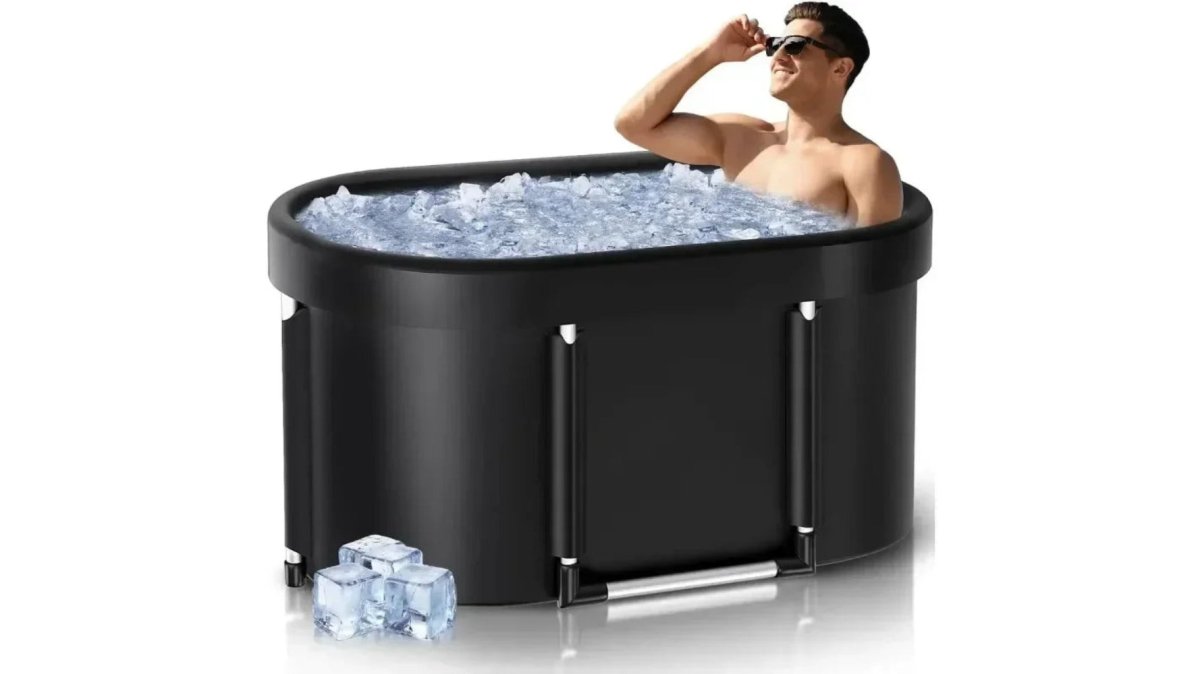
The material you choose affects not just durability but your recovery experience: a tub that maintains temperature reliably, resists weather damage, and requires minimal fussing lets you focus on the cold plunge itself.
Choosing the right outdoor cold plunge tub material is an investment in consistent, long-term recovery. Whether you prioritise durability, affordability, or low maintenance, match the material to your climate and usage patterns. At Thermo Plunge Recovery Systems, our tubs are built with multi-layer insulation, waterproof construction, and durable materials designed to withstand outdoor conditions while maintaining water temperature for effective recovery sessions. Explore our collection today with free shipping, a 30-day guarantee, and 24/7 support to ensure you get the right setup for your recovery goals.
Frequently Asked Questions
What material provides the best insulation for a cold plunge tub?
Multi-layer construction with foam boards, EPE foam, and waterproof liners offers superior temperature retention. The Portable Bathtub features 6-layer insulation that maintains water temperature longer, while the XL Ice Bath Tub includes an insulated thermal lid for optimal cold retention. Thicker insulation layers slow heat exchange, keeping your water colder between sessions and reducing the energy needed to maintain target temperatures.
Does stainless steel or acrylic work better for an outdoor cold plunge?
Stainless steel excels in extreme weather, resisting corrosion from salt air, UV rays, and freeze-thaw cycles over years of outdoor exposure. Acrylic offers better clarity and aesthetic appeal but requires more UV protection and can become brittle in very cold climates. For harsh outdoor conditions, stainless steel's durability justifies its higher cost; for moderate climates with covered setups, acrylic provides good performance with visual appeal.
Which cold plunge tub material is easiest to maintain?
PVC and fabric-reinforced materials are easiest to maintain outdoors. They resist algae buildup better than wood, don't require sealing like cedar, and are less prone to corrosion than bare metals. Regular drainage, occasional cloth cleaning, and a cover protect them from debris and UV damage. The Ice Bath Tub's multi-layered plastic construction and foldable design simplify seasonal storage and cleaning routines.
Can you put a bathtub outside year-round?
Yes, with proper material selection and protection. PVC, stainless steel, and acrylic tubs designed for outdoor use handle weather exposure when covered during off-seasons. Insulated models retain temperature better in cold climates. The Portable Bathtub's waterproof PVC construction and drain pipe support outdoor placement, while the XL Ice Bath Tub's inflatable design allows seasonal storage in harsh winters, extending equipment lifespan.