

Cold Exposure Safety Tips for Women Over 40
Table of Contents
- Why Cold Exposure Safety Matters for Women Over 40
- How Cold Weather Affects Older Adults and Women Over 40
- Cold Plunge Safety Tips for Beginners
- Cold Water Immersion Duration: How Long Should You Stay In
- Hypothermia Symptoms and Prevention Strategies
- Who Should Avoid Cold Plunges and When to Seek Medical Care
- Dressing for Cold Exposure: Layering and Protection
- Staying Warm Indoors and Managing Cold Stress
- Frequently Asked Questions
Last Updated: October 15, 2026
Why Cold Exposure Safety Matters for Women Over 40
Cold exposure safety tips are essential for women navigating midlife's physiological changes. Your body's response to extreme cold shifts with age, so ice baths, cold plunges, and winter activities require an informed approach.
At Thermo Plunge Recovery Systems, we've worked with athletes and wellness enthusiasts for years.
The stakes are higher after 40. Cold stress affects your cardiovascular system differently than in your 20s, hormonal shifts influence heat regulation, and medications can change cold tolerance.
How Cold Weather Affects Older Adults and Women Over 40
Cold stress hits differently with age. Your ability to maintain core temperature declines, blood vessels constrict more aggressively, and shivering, your primary heat-generation mechanism, becomes less efficient.
For women, hormonal changes after 40 compound these shifts. Oestrogen helps regulate body temperature; as levels drop, you may feel colder more easily and recover more slowly.
Pre-existing conditions matter too. High blood pressure, heart conditions, or diabetes increase your risk, and common medications, blood pressure meds, certain antidepressants, affect how your body handles extreme cold.
Cold Plunge Safety Tips for Beginners
If you're new to cold water immersion, start slowly. Don't jump into a 39°F ice bath for three minutes on day one, that's how people develop cold stress injuries and never try cold therapy again.

Start with these foundational safety steps:
- Begin with water temperature around 50-55°F, not the coldest setting
- Limit your first sessions to 30-60 seconds
- Always have someone nearby when you first start
Your nervous system needs time to adapt. Cold exposure triggers the dive response, slowing your heart rate and restricting blood flow to your limbs, a response that can be unpredictable in beginners.
The American Heart Association guidelines on cold exposure recommend that people with cardiovascular risk factors consult a doctor before intentional cold therapy.
The Women-Over-40 Pre-Plunge Checklist
Before your first session, run through this checklist, the step most beginners skip, and the one that matters most after 40.
Health conditions to discuss with your clinician first:
- Heart disease, arrhythmia, or a history of heart attack or stroke
- Uncontrolled high blood pressure
- Raynaud's syndrome or other circulation disorders
Medications that change your cold response:
- Beta-blockers (slow heart rate, can suppress shivering)
- Certain antidepressants (affect thermoregulation)
- Blood thinners (raise frostbite risk)
Hormonal context: Perimenopause and menopause alter temperature regulation. As oestrogen fluctuates, your cold tolerance may vary week to week, track how you feel and adjust duration accordingly.
Gradual Acclimation and Building Cold Tolerance
Building cold tolerance is a skill, not a test of willpower. Through cold acclimation, regular safe exposure trains your cardiovascular system to handle cold more efficiently.
Here's how to build tolerance properly:
- Week 1-2: 30-45 seconds at 50-55°F, 2-3 times per week
- Week 3-4: 45-60 seconds at 48-52°F, 3 times per week
- Week 5-6: 60-90 seconds at 45-50°F, 3-4 times per week
Consistency is key: three short sessions per week build tolerance faster than one long session, because your nervous system adapts through repetition.
Stop if you notice persistent discomfort, numbness that doesn't fade after warming, or any sign of frostbite (skin turning white or waxy).
Safer Cold Exposure at Home and Alone
Most cold plunge injuries happen when someone is alone with no exit plan. If you're plunging at home without a spotter, build in these safeguards:
- Buddy system or check-in: Text a friend before and after every session. If you don't check in within 15 minutes, they call you.
- Accessible exit: Keep a towel, dry clothes, and a phone within arm's reach of the tub. Never rely on walking to another room while wet and cold.
- Timer within sight: Use a visible timer, not your phone's stopwatch buried in an app. You lose track of time in cold water.
When to Stop Immediately
Exit the water right away if you experience:
Portable Bathtub – Foldable Adult Spa & Ice Bath →
- Chest pain or pressure
- Severe shortness of breath
- Dizziness or loss of coordination
These are not signs to push through, they mean the session is over. Cold exposure should feel challenging but manageable, never dangerous.
Cold Water Immersion Duration: How Long Should You Stay In
Ideal cold water immersion duration depends on experience level and water temperature: colder water means shorter sessions.
General guidelines:
- 50-55°F: 2-3 minutes for experienced users; 30-60 seconds for beginners
- 45-50°F: 1-2 minutes for experienced users; 20-45 seconds for beginners
- Below 45°F: 30-90 seconds maximum, even for regular practitioners
Most benefits, improved circulation, reduced inflammation, better mood, happen within the first 90 seconds. Staying longer only increases risk.
Listen to your body: violent shaking, blue lips, or confusion mean excessive cold stress, get out.
Hypothermia Symptoms and Prevention Strategies
Hypothermia occurs when core body temperature drops below 95°F. Brief cold plunges rarely cause it when you follow safety guidelines, but risk rises for women over 40: shivering heat generation declines with age, and post-menopausal hormonal shifts can blunt the vasoconstriction that preserves core warmth.
Early hypothermia symptoms:
- Intense, uncontrollable shivering
- Confusion or difficulty concentrating
- Slurred speech
Severe hypothermia (core temp below 90°F):
- Shivering stops (paradoxically, this is more dangerous)
- Loss of consciousness
- Weak or irregular heartbeat
Why Women Over 40 Need a Lower Threshold for Stopping
A common pattern is that the first warning sign isn't shivering but a sudden sense of calm or detachment. If you feel oddly relaxed, euphoric, or disconnected during a cold session, exit immediately, that sensation often precedes the shivering shutdown of moderate hypothermia.
Medications can mask or accelerate the drop. Beta-blockers suppress shivering, certain antidepressants affect thermoregulation, and thyroid medications change metabolic heat production.
A Concrete Warming Protocol
Prevention is straightforward: exit before symptoms develop. Set a timer, stick to your planned duration, and don't "push through" discomfort.
After you exit:
- Remove wet clothing immediately. Wet fabric pulls heat from your skin far faster than air.
- Pat dry, don't rub. Vigorous rubbing can push cold blood from your limbs back to your core and worsen afterdrop.
- Layer dry, loose clothing, base layer first, then insulation, then a windproof outer layer.
- Use a warm (not hot) shower or blanket. Rapid rewarming can cause afterdrop, a temporary further drop in core temperature as cold blood from your extremities returns to your centre.
- Drink a warm, non-alcoholic beverage. Alcohol dilates blood vessels and accelerates heat loss, so skip the celebratory drink.
- Stay in a warm space for at least 30 minutes before resuming normal activity.
When to Call for Help
Call emergency services for severe hypothermia signs: shivering has stopped but the person is still cold, they are unconscious or semi-conscious, or breathing is slow and shallow. Don't rewarm with hot water, heating pads, or vigorous movement, those can trigger dangerous heart rhythms. Insulate them and wait for professional help.
Who Should Avoid Cold Plunges and When to Seek Medical Care
Cold exposure isn't safe for everyone. If you have any of these conditions, consult your doctor before trying cold plunges:
- Heart disease or arrhythmia
- Uncontrolled high blood pressure
- Severe Raynaud's syndrome
Certain medications increase cold-related risk. Blood pressure medications, some antidepressants, and stimulants can affect your body's cold response. Talk to your doctor about your specific medications.
Seek medical care immediately if you experience:
- Chest pain or pressure during cold exposure
- Severe shortness of breath
- Loss of consciousness
Cold exposure is a tool for recovery and wellness, not a medical treatment. It should feel challenging but manageable, never dangerous.
Dressing for Cold Exposure: Layering and Protection
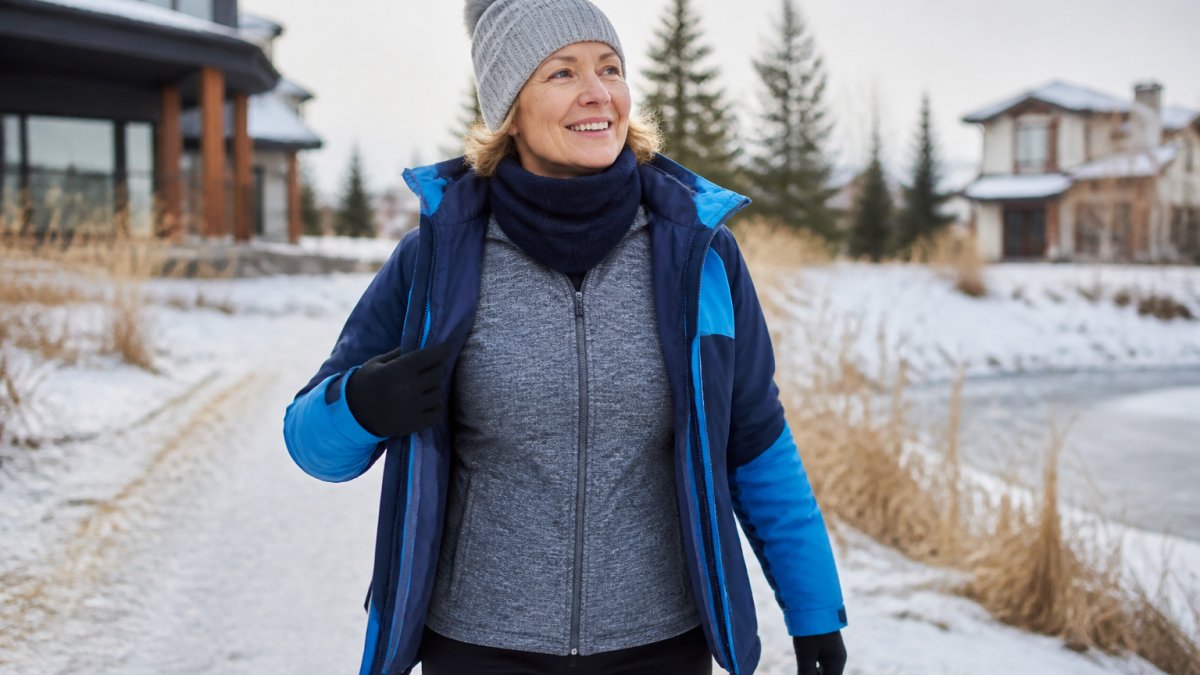
Proper clothing isn't just about comfort during outdoor cold exposure, it's essential for safety. Layering traps warm air and wicks moisture away from your skin.
The three-layer system:
- Base layer: Merino wool or synthetic fabric that wicks moisture (never cotton, it holds moisture and makes you colder)
- Insulating layer: Fleece or down that traps warm air
- Outer layer: Waterproof, windproof jacket that blocks cold air and precipitation
Loose layers work better than tight ones, which compress insulation and restrict blood flow. Wear your layers with room to move.
Portable Bathtub – Foldable Adult Spa & Ice Bath →
Protecting Your Head, Neck, Face, Hands, and Feet
Your extremities lose heat fastest. Protect them first.
Head and neck: Wear a knit hat or balaclava, a covered head keeps your entire body warmer.
Face: A neck gaiter or face mask protects your lungs from extreme cold air, which can trigger airway constriction, especially for people with asthma.
Hands: Mittens work better than gloves because they keep fingers together, preserving heat. Add thermal liners if you need dexterity.
Feet: Wear wool socks (two pairs if needed). Damp feet lose heat rapidly, so change socks immediately if they get wet.
Choosing Footwear That Reduces Slips and Falls
Cold surfaces are slippery. Choosing the right footwear prevents falls, which are a major injury risk for women over 40.
Look for boots with:
- Rubber soles with deep treads (not smooth leather)
- Good ankle support
- Insulation to keep feet warm and dry
Avoid smooth-soled shoes, heels, or sneakers with worn treads. Icy stairs and frozen ground demand grip, nonskid footwear is a safety essential.
Consider traction devices (microspikes or cleats) for icy conditions. They attach to your boot soles and provide grip on ice.
Staying Warm Indoors and Managing Cold Stress
If you're doing intentional cold exposure at home, managing your indoor environment matters.
After a cold plunge:
- Don't jump directly into a hot shower
- Warm up gradually with dry clothing and a warm (not hot) beverage
- Stay indoors in a warm space for at least 30 minutes
For home cold plunge setups, keep your indoor temperature moderate, around 70°F. This allows your body to warm naturally without shock.
Many people use cold plunges with professional-grade equipment.
If you're investing in home cold therapy equipment, look for systems that offer temperature control and built-in safety features. For more serious athletes, the Upgrade XL Ice Bath Tub holds 160 gallons and works with water chillers for precise temperature control.

Cold exposure safety isn't complicated, it's about respecting how your body has changed and building tolerance gradually.
At Thermo Plunge Recovery Systems, we've built recovery systems that let you control every variable: water temperature, session duration, and safety features.
Frequently Asked Questions
How long should a beginner stay in a cold plunge?
Beginners should start with 1-2 minutes in cold water and gradually increase duration over several weeks. Begin with water temperatures around 50-60°F before progressing to colder temperatures. Always listen to your body and exit immediately if you experience severe discomfort, uncontrollable shivering, or numbness. Building cold tolerance takes time; rushing the process increases your risk of cold-related illness and injury.
What are the warning signs of hypothermia during cold exposure?
Early hypothermia symptoms include shivering, confusion, slurred speech, and loss of coordination. As body temperature drops further, shivering may stop, and you may experience drowsiness, weak pulse, or difficulty breathing. If you notice these warning signs in yourself or others, exit the cold immediately, remove wet clothing, and seek warm shelter. Severe hypothermia requires emergency medical attention, call for help if symptoms are severe.
Who should avoid cold plunges?
Women over 40 with heart disease, high blood pressure, or a history of stroke should consult a healthcare provider before attempting cold plunges. Those taking medications that affect heart rate or blood pressure, pregnant individuals, and people with certain autoimmune conditions should also seek medical advice first. Cold exposure can trigger cardiovascular stress in vulnerable populations, making professional guidance essential for safe participation.
Can you train your body to tolerate the cold better?
Yes, gradual cold exposure can improve your body's cold tolerance over time. Regular, controlled cold immersion sessions help your cardiovascular system adapt and may improve circulation and stress response. Start with shorter durations and warmer temperatures, then progress slowly as your body adapts. Consistency matters more than intensity, regular practice builds tolerance more effectively than occasional extreme exposure.