

Cold Water Immersion for Metabolic Health in Women
Table of Contents
- How Cold Water Immersion Affects Metabolic Health in Women
- Cold Exposure and Brown Fat Activation in Women
- Insulin Sensitivity and Glucose Regulation
- Cold Plunge Protocol for Beginners
- Cold Plunge Duration and Frequency for Women
- Cold Water Immersion Safety for Women
- Setting Up Your Home Cold Plunge System
- Frequently Asked Questions
Last Updated: October 18, 2026
How Cold Water Immersion Affects Metabolic Health in Women
Cold water immersion for metabolic health in women has emerged as a targeted recovery strategy that goes beyond generic cold therapy advice.
The Metabolic Response to Cold Exposure
When you step into cold water, your body doesn't simply react, it adapts. The initial shock triggers a cascade of physiological responses. Your metabolic rate increases as your body works to maintain core temperature through thermogenesis, the process of generating heat.
This metabolic upshift is real, but it's temporary. Your body burns additional calories during and immediately after cold exposure as it rewarms. However, the magnitude of this effect varies considerably based on individual factors like fitness level, body composition, and prior cold exposure experience.
Brown Adipose Tissue and Thermogenesis
Brown adipose tissue, or brown fat, is metabolically active tissue that burns calories to produce heat. Unlike white fat, which stores energy, brown fat dissipates it. Cold exposure activates brown fat through a mechanism involving the sympathetic nervous system and norepinephrine release.
Women's brown fat activation patterns differ from men's, particularly across menstrual cycle phases. Oestrogen influences how readily brown fat responds to cold stimuli. This cycle-dependent variation is rarely discussed in generic cold plunge guides, yet it fundamentally shapes how women should approach cold water immersion protocols.

Cold Exposure and Brown Fat Activation in Women
The relationship between cold exposure and brown fat activation holds particular relevance for women managing metabolic health. Consistent cold water immersion appears to enhance the body's capacity to activate brown fat over time, though the timeline for meaningful adaptation spans weeks to months, not days.
White Fat Browning and Energy Expenditure
White fat browning, the conversion of white adipose tissue into brown-like tissue, represents a longer-term metabolic adaptation. Cold exposure may trigger this conversion through repeated stress signals to white fat depots. The process is gradual and requires sustained, regular cold exposure.
This suggests that brown fat activation and white fat browning create a more metabolically active baseline over time. The effect compounds when cold exposure is paired with adequate sleep, nutrition, and strength training.
Hormonal Factors Across the Menstrual Cycle
Hormonal fluctuations across the menstrual cycle significantly influence how women respond to cold water immersion. During the follicular phase, rising oestrogen levels may dampen cold-induced thermogenesis slightly.
Thyroid function also shifts across the cycle. Some women experience slightly elevated thyroid hormone levels in the luteal phase, which amplifies metabolic rate independent of cold exposure. Combining cold plunges during the luteal phase may produce additive metabolic effects.
Women approaching perimenopause or menopause experience declining oestrogen, which can paradoxically increase cold sensitivity while altering metabolic responses. Cold water immersion during these transitions requires modified protocols and closer attention to recovery signals.
Insulin Sensitivity and Glucose Regulation
Cold water immersion influences glucose regulation through multiple pathways, but the evidence for lasting benefits in women is mixed. This section separates acute effects from long-term outcomes and provides practical guidance for monitoring your response.
Acute Effects: Glucose Uptake During Cold Exposure
During cold exposure, your body increases glucose uptake in skeletal muscle to fuel thermogenesis. Shivering and non-shivering thermogenesis both consume glucose, and norepinephrine release mobilizes glucose and fatty acids from storage. A single 2-3 minute immersion at 50-59°F (10-15°C) can transiently lower blood glucose in some individuals, but the magnitude varies widely, research on cold-induced glucose uptake shows effects ranging from negligible to a 10-20% increase in muscle glucose disposal, depending on temperature, duration, and individual insulin sensitivity. These acute changes do not necessarily translate into improved insulin sensitivity the next day.
Long-Term Insulin Sensitivity: What the Evidence Shows
Repeated cold exposure may improve insulin sensitivity over weeks to months, but the evidence is stronger for cold acclimation protocols (daily exposure for 10-14 days) than for intermittent cold plunging. Studies using cold acclimation in men show modest improvements in insulin sensitivity, but women-specific data are scarce. Do not expect cold plunging alone to reverse insulin resistance.
Practical Monitoring for Women
If you have prediabetes, metabolic syndrome, or type 2 diabetes, monitor your glucose response to cold exposure. Use a continuous glucose monitor (CGM) if available, or check fasting glucose and post-session glucose for the first few weeks. Some women see a slight rise in glucose immediately after cold exposure due to sympathetic nervous system activation and cortisol release, this is normal and not a sign of harm. A drop in glucose is also common. Track patterns and discuss them with your healthcare provider.
Medication and Hormonal Interactions
Metformin does not typically interact with cold exposure, but thyroid medications require attention: cold exposure stimulates thyroid hormone release, and women with hyperthyroidism or Graves' disease may experience symptom exacerbation. Hormonal contraceptives and hormone replacement therapy can influence thermoregulation and cold tolerance, if you notice changes in how you feel during cold exposure after starting or changing hormonal medication, adjust your protocol and consult your provider.
Portable Bathtub – Foldable Adult Spa & Ice Bath →
Cold Plunge Protocol for Beginners
Starting a cold water immersion practice requires a graduated approach that respects individual cold tolerance and metabolic capacity. Women new to cold exposure should prioritise building cold tolerance gradually rather than pursuing maximum intensity immediately.
Starting Your Cold Plunge Journey
Begin with cold showers rather than full immersion. A 30-second cold shower at the end of your regular shower introduces your nervous system to cold stress in a controlled, manageable way.
When you transition to cold water immersion, start with a portable cold plunge setup like the Portable Bathtub - Foldable Adult Spa & Ice Bath at $118.95.


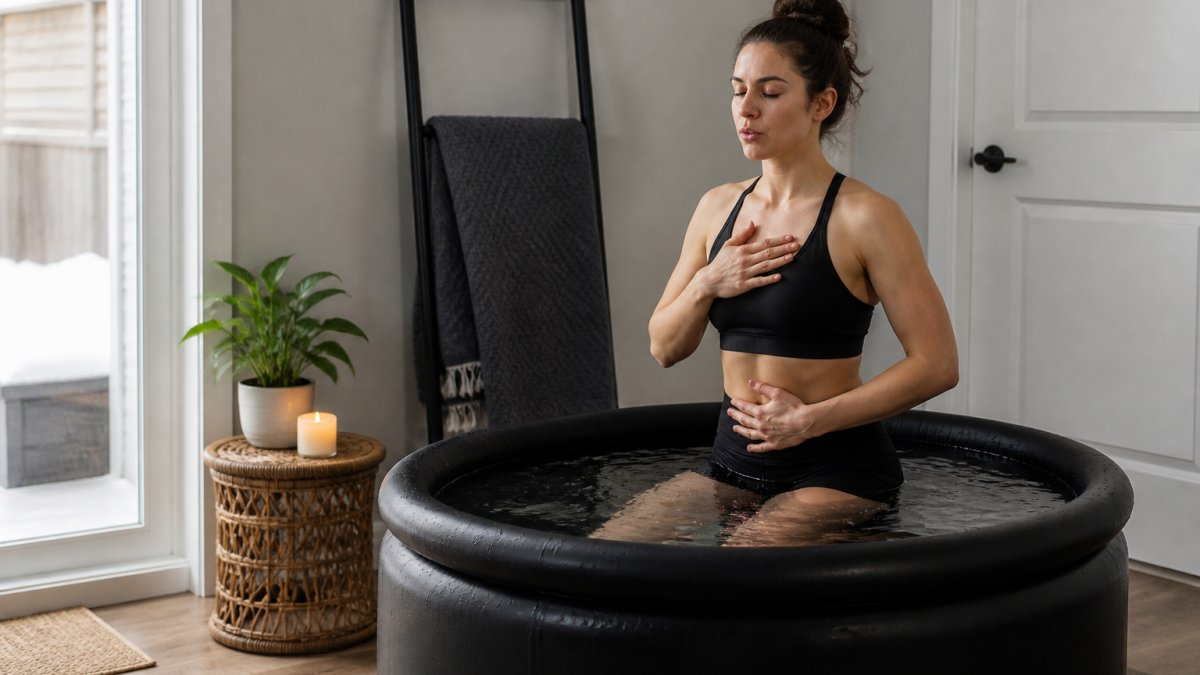
Graduated Exposure: A Women-Centred Approach
Week 1-2: Water temperature around 60°F (15°C), duration 1-2 minutes. Focus on controlled breathing and mental preparation. Cold shock responses are normal, your body is learning.
Week 3-4: Lower temperature to 55°F (13°C), extend duration to 2-3 minutes. Notice changes in how your body responds.
Week 5+: Gradually progress to 50°F (10°C) or lower if desired, extending to 3-5 minutes. Listen to your body. There's no benefit to pushing past genuine discomfort into pain.
Women managing hormonal conditions should adjust timing around their cycle. If you notice that luteal-phase cold exposure feels more tolerable, schedule longer sessions during that window.
Cold Plunge Duration and Frequency for Women
Optimal cold water immersion protocols balance adaptation with recovery. More exposure isn't inherently better; consistency and proper recovery windows matter more.
Optimal Timing and Session Length
Most women experience metabolic benefits from 2-5 minute immersions in cold water (50-59°F or 10-15°C). Sessions longer than 10 minutes carry increased risk of hypothermia and excessive stress hormone elevation without proportional benefit.
Timing within your day influences outcomes. Morning cold plunges activate the sympathetic nervous system, potentially improving alertness and energy expenditure throughout the day. Evening sessions may interfere with sleep onset for some women due to elevated norepinephrine. Experiment with timing and track how you feel.
Weekly Frequency and Recovery Windows
Two to three cold plunge sessions per week allows adequate recovery while supporting metabolic adaptation. Your body needs recovery time between exposures to consolidate adaptations and manage stress hormone elevation.
Space sessions at least 48 hours apart, especially when starting. As your cold tolerance improves and your nervous system adapts, you may tolerate more frequent exposure.
Women managing high stress, poor sleep, or intense training schedules should reduce frequency to once weekly. Cold exposure is a stressor; stacking it on top of existing stress burdens creates metabolic dysregulation rather than improvement.
Cold Water Immersion Safety for Women
Cold water immersion carries real risks that warrant serious attention. Understanding contraindications and building tolerance systematically prevents adverse outcomes.
Contraindications and When to Avoid Cold Plunging
Do not use cold water immersion if you have uncontrolled hypertension, active cardiovascular disease, or a history of heart arrhythmias.
Pregnancy represents an absolute contraindication. Cold exposure can trigger uterine contractions and reduce placental blood flow. Women planning pregnancy or managing fertility should avoid cold plunging.
Portable Bathtub – Foldable Adult Spa & Ice Bath →
Raynaud's phenomenon, a condition causing exaggerated blood vessel constriction in response to cold, makes cold water immersion problematic. Women with this condition typically experience severe pain and potential tissue damage with cold exposure.
Thyroid conditions require caution. Cold exposure stimulates thyroid hormone release; women with hyperthyroidism or Graves' disease may experience symptom exacerbation.
Managing Cold Shock and Building Tolerance
Cold shock, the involuntary gasp and hyperventilation response to sudden cold, poses drowning risk if it occurs during water immersion. Building tolerance gradually minimises cold shock severity. Never force yourself into water; allow your body to acclimate.
Breathing techniques reduce cold shock response. Before entering cold water, practise slow, controlled breathing. Once immersed, maintain rhythmic breathing rather than holding your breath. Exhale slowly and deliberately.
Women with anxiety or panic disorders may find cold shock responses triggering. If you experience panic during cold exposure, exit the water immediately. Seek professional guidance before continuing. Building psychological tolerance alongside physiological tolerance prevents trauma.
Setting Up Your Home Cold Plunge System
Creating a dedicated cold plunge space at home removes barriers to consistency. Your setup should balance functionality, space efficiency, and ease of maintenance.
For apartment dwellers or those with limited space, the Portable Bathtub - Foldable Adult Spa & Ice Bath at $118.95 offers a practical entry point.
If you're ready to invest in a dedicated cold plunge system, the Ice Bath Tub - Portable Cold Plunge for Recovery at $169.95 provides enhanced durability for regular use.
For serious cold plunge practitioners, the Upgrade XL Ice Bath Tub - Portable Cold Plunge for Athletes at $648.95 paired with the Water Chiller - 1/3 HP Ice Bath Cold Plunge at $999.95 creates a professional-grade setup.
Maintain your system by filtering water regularly and keeping the tub clean.
Cold water immersion for metabolic health in women works best when approached systematically, with attention to individual hormonal patterns and realistic expectations about outcomes.
Frequently Asked Questions
Does cold water immersion increase metabolism in women?
Cold water immersion triggers thermogenesis, a metabolic process where your body generates heat to maintain core temperature. This activates brown adipose tissue and may increase energy expenditure during and after exposure. However, the metabolic boost is acute and temporary. While regular cold water immersion can support metabolic adaptation over time, it works best alongside consistent exercise and balanced nutrition. Hormonal fluctuations across your menstrual cycle also influence how your body responds to cold exposure.
What is the safest cold plunge duration and frequency for women?
Most evidence supports starting with 1-3 minutes at 50-59°F (10-15°C), two to three times weekly, with at least one rest day between sessions. Beginners should start shorter, 30 seconds to 1 minute, and gradually increase duration as cold tolerance improves. Frequency and duration depend on your adaptation level, fitness background, and menstrual cycle phase. Women in the luteal phase (second half of the cycle) may experience heightened cold sensitivity, so adjust accordingly. Always prioritise consistency over intensity.
Is cold water immersion safe during pregnancy or menopause?
Cold water immersion is not recommended during pregnancy without medical clearance, as it triggers systemic stress responses that may affect fetal wellbeing. During menopause, cold exposure is generally safe but may interact with temperature regulation changes and hormonal shifts. If you have cardiovascular conditions, uncontrolled hypertension, or a history of cold-related complications, consult your doctor before starting. Any pre-existing health condition warrants professional guidance before beginning cold plunge therapy.
Can cold plunges affect insulin sensitivity and blood glucose in women?
Cold water immersion activates the sympathetic nervous system, releasing stress hormones that can temporarily raise blood glucose as your body mobilises energy for heat production. Over time, regular cold exposure may improve insulin sensitivity through metabolic adaptation and improved circulation. However, acute glucose spikes during cold sessions are normal and temporary. If you have diabetes or blood sugar management concerns, monitor your response closely and consult your healthcare provider, as individual responses vary significantly.