

Cold Water Therapy Benefits: The Science Explained
Table of Contents
- How Cold Water Therapy Activates Your Nervous System
- Cold Water Immersion Duration and Optimal Exposure Times
- Cold Water Therapy for Inflammation and Recovery
- Immune Function and Metabolic Changes from Cold Exposure
- Mental Health, Sleep Quality, and Mood Regulation
- Cold Plunge Safety Guidelines and Risk Management
- Getting Started: Practical Implementation at Home
- Frequently Asked Questions
Last Updated: September 1, 2026
How Cold Water Therapy Activates Your Nervous System
Cold water immersion triggers an immediate cascade of physiological responses that reshape how your body manages stress and recovers from physical exertion. When you enter cold water, your nervous system activates pathways that influence everything from heart rate to hormone production.
The initial shock stimulates your sympathetic nervous system, the "fight or flight" branch, causing vasoconstriction to preserve core body temperature. Simultaneously, your body releases noradrenaline, a neurotransmitter that sharpens focus, reduces inflammation, and enhances mental clarity. This is why athletes report feeling mentally sharper after cold exposure, it's neurochemistry, not placebo.
After repeated cold water exposure, your parasympathetic nervous system, the "rest and digest" branch, becomes more responsive. Regular cold water therapy improves your autonomic nervous system's ability to shift between sympathetic activation and parasympathetic recovery, translating to better stress resilience in everyday life.
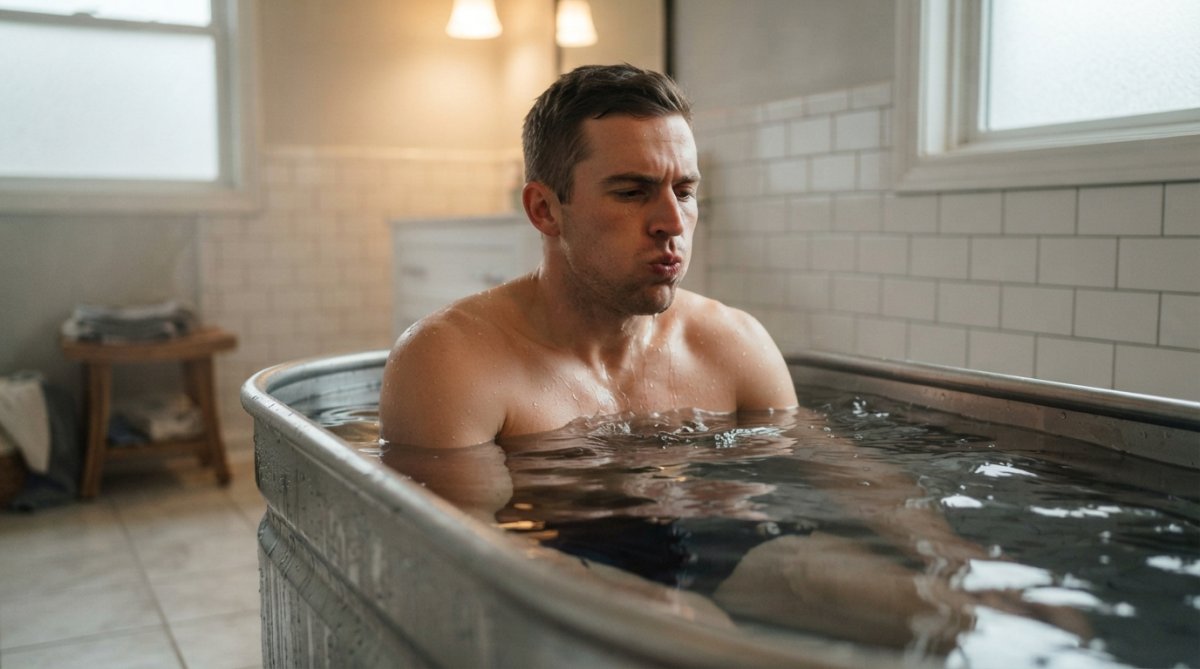
Your hypothalamus, the brain's temperature control centre, learns to manage thermal stress more efficiently with each exposure. Over weeks of consistent practice, your body becomes better at maintaining homeostasis, the stable internal environment that allows all systems to function optimally.
Cold Water Immersion Duration and Optimal Exposure Times
Cold water immersion duration between 1-5 minutes produces the most consistent benefits for recovery and performance without excessive cardiovascular strain. For beginners, start with 30-60 seconds in water between 50-59°F to allow your cold shock response to settle while your nervous system adapts.
The sweet spot for experienced users typically falls between 2-4 minutes at temperatures around 50-55°F. This duration is long enough to trigger meaningful noradrenaline release and begin reducing systemic inflammation, but short enough to avoid excessive cortisol elevation. For muscle soreness reduction, aim for the 3-4 minute range, as this duration optimises the anti-inflammatory response.
Frequency matters as much as duration. Most athletes see the best results with 2-4 cold water immersion sessions per week, spaced at least 24 hours apart. This spacing allows your nervous system to recover and adapt between exposures.
Temperature plays a critical role in determining optimal duration. Water at 39°F allows shorter exposures (1-2 minutes) to produce meaningful effects. Water at 50-55°F supports longer, more comfortable sessions (3-5 minutes). Warmer water (59-68°F) requires longer exposure to trigger the same physiological responses but feels less intense and may be better for those new to cold water therapy.
Cold Water Therapy for Inflammation and Recovery
Cold water therapy benefits your recovery process by directly addressing the inflammatory cascade that follows intense exercise. Cold water immersion modulates the inflammatory response, reducing excessive swelling and accelerating the transition to the repair phase.
The mechanism works through vasoconstriction and subsequent vasodilation. Cold exposure constricts blood vessels, reducing blood flow to inflamed tissues. When you exit the cold water, rapid rewarming causes vasodilation, flushing metabolic byproducts and delivering fresh, oxygen-rich blood to damaged muscle fibres. This cycle reduces the peak inflammatory response without eliminating the adaptive inflammation necessary for strength gains.
Exposure within 15 minutes after exercise produces the most pronounced effect, as the inflammatory cascade is still ramping up. Early intervention "caps" the response at a level that still triggers adaptation but reduces excessive swelling and soreness.
Cold water exposure also activates your body's antioxidant defences, including increased production of superoxide dismutase and catalase. This optimises the balance between damage and defence without preventing all oxidative stress, some of which is necessary for adaptation.
Immune Function and Metabolic Changes from Cold Exposure
Cold water therapy benefits your immune system through immune modulation. Repeated cold exposure trains your immune cells to respond more efficiently to stress, which is why regular practitioners report fewer colds and faster recovery when they do get sick.
Cold exposure increases cortisol acutely, which primes immune function. More importantly, regular cold water therapy helps normalise the stress hormone's daily rhythm. Dysregulated cortisol weakens immune response; cold water therapy helps restore healthy cortisol dynamics.
Brown adipose tissue (BAT) activation is another key adaptation. Brown fat burns calories to generate heat, and cold exposure activates it. Regular cold water immersion increases your brown fat mass and metabolic activity, gradually increasing your resting metabolic rate and supporting better body composition over time.
Cold exposure also increases noradrenaline, which mobilises fat for energy and enhances metabolic flexibility, your body's ability to switch between burning carbs and fat. Athletes using cold water therapy often report improved endurance performance and better fat use during longer efforts.
Immune modulation requires consistency. Sporadic cold exposure might actually increase infection risk by creating repeated acute stress without allowing adaptation. The benefit emerges over weeks and months of regular practice.
Mental Health, Sleep Quality, and Mood Regulation
Cold water immersion triggers dopamine release, the neurotransmitter associated with motivation, focus, and mood elevation. A single exposure can increase dopamine levels for hours afterward, creating a genuine mood lift that many practitioners find self-reinforcing.
The dopamine response appears to increase with repeated exposure. Your brain learns to anticipate the cold stimulus and begins releasing dopamine before you even enter the water.
For sleep quality, cold water therapy benefits your circadian rhythm through multiple pathways. A properly timed cold plunge in the morning (within 2 hours of waking) can anchor your circadian cycle, improving sleep onset and depth at night. Evening cold exposure might disrupt sleep by keeping your nervous system elevated.
The noradrenaline elevation from cold water immersion also supports sustained attention and cognitive performance. Athletes and knowledge workers often report improved focus and mental clarity for 2-4 hours after exposure.
Psychological resilience improves through stress inoculation. Each cold water exposure is a controlled stressor that teaches your nervous system to remain calm under discomfort. Over time, this transfers to other stressors, making you less reactive to emotional triggers and better able to maintain composure under pressure.
Cold Plunge Safety Guidelines and Risk Management
Cold water therapy requires respect for legitimate physiological risks. The primary danger is cold shock response, an involuntary gasp and hyperventilation that occurs when you first enter cold water. Mitigation is straightforward: enter gradually, start with warmer temperatures, and practise controlled breathing before attempting deeper immersion.
Cardiovascular strain is the second major risk. Cold water causes acute blood pressure elevation and increased heart rate. If you have any cardiovascular condition, consult your healthcare provider before attempting cold water immersion.
Hypothermia risk increases with water temperatures below 50°F and exposures longer than 10 minutes. Never attempt extended cold exposure alone, always have a way to exit quickly, and monitor for shivering, confusion, or slurred speech, early signs of hypothermia.
Safe cold water therapy requires a systematic approach:
- Start with water at 59°F and 60-second exposures
- Progress duration before decreasing temperature
- Never exceed 5 minutes at 39°F or 10 minutes at any temperature
- Always have a partner present for first attempts
- Exit immediately if you experience chest pain, severe dizziness, or loss of breath control
- Avoid cold exposure if you're sick, dehydrated, or under acute stress
- Wait 2-3 hours after eating before immersion
- Rewarm gradually; avoid hot showers immediately after exposure
Getting Started: Practical Implementation at Home
Setting up a functional cold water therapy system at home requires choosing between several approaches, each with different cost, space, and maintenance profiles. The simplest option is a portable ice bath tub filled with tap water and ice, though this requires constant ice replenishment and offers limited temperature control.
A water chiller system solves the ice problem entirely by cooling water to 39°F and maintaining that temperature consistently. It works with any tub, making it flexible for small spaces.

For those wanting a complete system without piecing together components, dedicated ice bath tubs offer 160-gallon capacity with insulated thermal lids, compatible with water chillers. This size accommodates full-body immersion comfortably and remains portable for apartment dwellers or those with limited outdoor space.
Portable bathtub options provide the most space-efficient solution, fitting in a bathroom corner and folding away when not in use. They work well for 2-3 minute sessions.
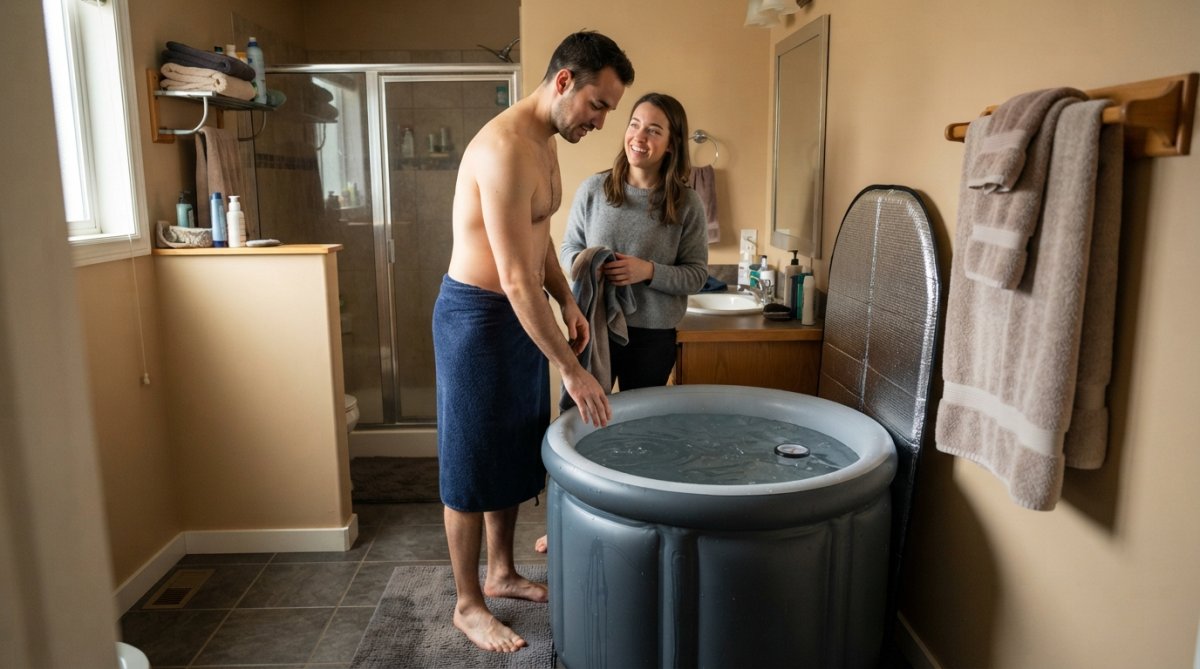
Location matters. Place your cold plunge in a space where water spills won't damage floors, near a drain if possible. Ensure good ventilation to prevent moisture buildup. Keep towels, a robe, and warm clothing within arm's reach of your exit point.
Temperature control is non-negotiable. A basic thermometer tells you the water temperature. Start at 59°F for your first week, then drop 2-3 degrees every week until you reach your target temperature.
Timing your sessions matters. Morning cold plunges (within 2 hours of waking) support circadian rhythm and provide mental clarity for the day. Post-workout cold plunges (within 15 minutes of finishing exercise) optimise inflammation modulation. Avoid evening sessions unless you're comfortable with elevated alertness at bedtime.
The first week, expect discomfort. Your breathing will feel laboured, your skin will sting, and you'll want to exit early. By week three, most people find cold water therapy manageable and even enjoyable. By week six, many practitioners report genuine cravings for the sensation.
After exiting, avoid hot showers for 15-20 minutes. Instead, dry off thoroughly and put on warm clothing. Your body will rewarm naturally, and this gradual rewarming is part of the adaptation process.
Consistency beats intensity. Two 3-minute sessions per week at 50°F will produce better results than one 10-minute session per week at 39°F. Your nervous system adapts to regular, predictable stress more effectively than sporadic extreme stress.
Cold water therapy benefits your body through multiple interconnected systems: nervous system activation, inflammation modulation, immune function, and metabolic adaptation. The science is compelling, but the real transformation happens through consistent practice. Start small, progress gradually, and let your body adapt naturally to this powerful recovery tool.
Frequently Asked Questions
How long should you stay in cold water to maximize health benefits?
Most research supports 2-5 minutes of cold water immersion at temperatures between 50-59°F (10-15°C) to trigger noradrenaline release and immune modulation without excessive cardiovascular strain. Beginners should start with 30-60 seconds and gradually increase duration over weeks. Consistency matters more than duration; three sessions per week shows better adaptation than sporadic longer exposures. Always prioritise safety over pushing time limits, especially if you have cardiovascular concerns.
What happens to your body after 30 days of consistent cold plunging?
After 30 days of regular cold water immersion, your autonomic nervous system adapts, reducing the initial cold shock response. You'll likely experience improved thermoregulation, increased brown adipose tissue activation, and enhanced dopamine and noradrenaline sensitivity. Many users report better sleep quality, reduced delayed-onset muscle soreness (DOMS), and improved mood. Inflammation markers typically decrease, and cardiovascular function strengthens. These adaptations continue deepening over months, supporting long-term metabolic health and psychological resilience.
What are the main risks or downsides of cold water therapy?
Cold water immersion carries cardiovascular risks, particularly the cold shock response, which can trigger dangerous heart rate and blood pressure spikes in people with undiagnosed heart conditions. Hypothermia risk increases with prolonged exposure or very cold temperatures. Individuals with Raynaud's syndrome, severe hypertension, or pregnancy should avoid cold plunging. Over-reliance on cold therapy may suppress parasympathetic activation needed for recovery. Always consult a healthcare provider before starting, especially if you have existing health conditions.
How does cold water immersion reduce muscle soreness and inflammation?
Cold water immersion reduces delayed-onset muscle soreness (DOMS) through vasoconstriction, which limits inflammatory swelling and reduces pain signals. The cold exposure triggers noradrenaline release, modulating immune response and lowering systemic inflammation markers like cytokines. Cold therapy also slows metabolic rate temporarily, reducing oxidative stress. However, benefits are temporary; inflammation rebounds post-immersion, which is why timing matters, immersing within 2 hours post-exercise yields the strongest anti-inflammatory effect for recovery.
Does cold water therapy actually improve immune function?
Yes, regular cold water immersion stimulates immune modulation by increasing white blood cell production, particularly neutrophils and lymphocytes. Acute cold exposure activates the sympathetic nervous system, triggering a temporary inflammatory response that strengthens immune adaptation over time. Studies show consistent cold plungers develop improved resistance to upper respiratory infections. However, excessive or uncontrolled cold exposure can suppress immune function, so moderate, consistent protocols (2-3 sessions weekly) optimise immune benefits without overtaxing the system.
Can cold water therapy help with sleep quality and circadian rhythm?
Cold water immersion influences sleep by triggering parasympathetic activation post-immersion and supporting healthy circadian rhythm through core body temperature fluctuations. The endorphin and dopamine release improves mood, reducing cortisol levels that interfere with sleep onset. Timing is critical: immerse 2-4 hours before bedtime to allow your core temperature to drop naturally during sleep. Morning cold plunging also strengthens circadian alignment by signalling wake-phase activation to your body, improving overall sleep architecture and quality over weeks.
What safety precautions should I follow before starting cold water therapy?
Consult a healthcare provider before starting, especially if you have cardiovascular disease, hypertension, or pregnancy. Never immerse alone; always have a spotter present. Start with shorter durations (30-60 seconds) and warmer temperatures (59-68°F / 15-20°C), progressing gradually over weeks. Avoid alcohol before immersion and never hyperventilate beforehand. Exit immediately if you experience chest pain, severe dizziness, or loss of breath control. Respect the cold shock response, it's a real physiological event. Use a professional-grade system like Thermo Plunge's water chiller to maintain consistent, safe temperatures.
How does cold water therapy affect dopamine and noradrenaline levels?
Cold water immersion triggers a sympathetic nervous system surge, releasing noradrenaline (which sharpens focus and mood) and dopamine (which drives motivation and reward sensation). This release is acute during exposure but creates lasting adaptations; regular cold plungers show elevated baseline dopamine sensitivity, improving mood resilience and motivation. Noradrenaline elevation supports anti-inflammatory effects and metabolic acceleration. These neurochemical shifts explain why many users report improved mental clarity and reduced depression symptoms. The effect compounds with consistency, making cold therapy a data-driven tool for psychological resilience.
This article was written using GrandRanker