

Is Cold Plunging Good for Muscle Soreness? A 2026 Review
Table of Contents
- The Verdict: Does Cold Plunging Actually Help Sore Muscles?
- What the Research Says About Cold Water Immersion and DOMS
- How Cold Plunging Affects Muscle Soreness and Recovery
- Cold Plunge Duration for Recovery: Finding Your Therapeutic Window
- Ice Bath vs Sauna for Muscle Soreness: Which Should You Choose?
- Cold Plunge Safety Precautions You Should Never Skip
- The Downsides: Hypertrophy Interference and When to Avoid Cold Plunging
- Building Your Recovery Protocol: Home Setup and Equipment
- Frequently Asked Questions
Last Updated: September 12, 2026
The Verdict: Does Cold Plunging Actually Help Sore Muscles?
Is cold plunging good for muscle soreness? For most athletes, yes: cold water immersion reliably takes the edge off delayed onset muscle soreness, or DOMS, in the hours and days after hard training, which is why so many ask is cold plunging good for muscle soreness. The catch is that it eases the symptom without necessarily speeding up the repair. This guide from Thermo Plunge Recovery Systems walks through what cold exposure actually does to muscle tissue, how long to stay in, and when to skip it entirely.
The distinction matters because soreness and recovery are not the same thing. You can feel better and still be repairing tissue. Cold plunging is best understood as a pain-management and nervous-system tool, not a magic eraser for training stress.
Below, we break down the protocols, the safety rules, and the one scenario where an ice bath works against you.
What the Research Says About Cold Water Immersion and DOMS
Cold water immersion is the practice of submerging the body in cold water, typically between 50°F and 59°F, to trigger a physiological response that reduces inflammation and perceived soreness.
The mechanism operates on two distinct tracks, and conflating them is the most common mistake in cold plunge content.
Track one: vascular and inflammatory. Cold water causes vasoconstriction, the narrowing of blood vessels near the skin, which limits peripheral blood flow to the affected area. That reduced flow lowers the volume of inflammatory markers reaching damaged muscle tissue, which is why soreness often feels duller within an hour of a plunge. When you exit, the vessels reopen and circulation returns, producing the flushing sensation many athletes describe.
Track two: neurological. Cold exposure dampens nerve conduction velocity and raises the pain threshold in the treated area. This is a direct analgesic effect, separate from anything happening at the tissue level. It is why you can feel meaningfully better after a plunge even when the underlying micro-damage is unchanged.
What most guides miss is that neither track accelerates repair. Cold plunging does not rebuild muscle fibres or clear metabolic waste any faster than your body would on its own. A common pattern in the literature is that cold water immersion reliably reduces perceived soreness scores in the 24 to 72 hours after eccentric exercise, while markers of actual muscle function recovery, such as peak torque and range of motion, show smaller and less consistent improvements. In plain terms: you feel better before you are better.
That distinction has real value when you need to train again tomorrow. It also has a cost when adaptation is the goal, which is why timing matters more than temperature.
How Cold Plunging Affects Muscle Soreness and Recovery
Soreness after training comes from micro-damage to muscle tissue and the inflammatory response that follows. Cold exposure intervenes in that sequence at the level of blood flow and nerve signalling.
Vasoconstriction and the Inflammatory Response
When cold water hits the skin, blood vessels constrict and blood is redirected toward the core to protect core body temperature. That reduced peripheral blood flow lowers the volume of inflammatory markers reaching the damaged tissue, which is why soreness often feels duller within an hour of a plunge.
The trade-off is that inflammation is also part of the repair signal. Suppressing it too aggressively, or too soon after a hypertrophy-focused session, can blunt the adaptation you trained for. This is the central tension in cold plunge recovery, and it is why timing matters more than temperature.
Cold Plunge Duration for Recovery: Finding Your Therapeutic Window
The therapeutic window for cold plunge duration is roughly 10 to 15 minutes at 50°F to 59°F. Shorter exposures still help with perceived soreness; longer ones add cold stress and cardiovascular strain without proportionally better results.
A common mistake is chasing the longest possible plunge. In practice, the benefit curve flattens quickly, while the risks of hypothermia and shivering response climb. Start at 3 to 5 minutes, assess how you feel, and build toward 10 to 15 minutes over several weeks as cold tolerance improves.
| Experience Level | Water Temperature | Duration | Frequency |
|---|---|---|---|
| Beginner | 55°F to 59°F | 3 to 5 minutes | 2 to 3 times weekly |
| Intermediate | 50°F to 55°F | 6 to 10 minutes | 3 to 4 times weekly |
| Advanced | 45°F to 50°F | 10 to 15 minutes | 4 to 5 times weekly |
Ice Bath vs Sauna for Muscle Soreness: Which Should You Choose?
Ice baths and saunas address soreness through opposite mechanisms, and the better choice depends on what you are trying to achieve. Cold water constricts blood vessels and reduces inflammation and swelling. Heat dilates them, increases blood flow, and relaxes muscle stiffness.
For acute soreness in the first 24 to 48 hours after a hard session, cold is usually the more direct fit. For chronic tightness, stiffness, and general relaxation, heat tends to serve athletes better. Many competitive athletes use both, alternating cold plunges on training days with sauna sessions on rest days.
If you are choosing one, match it to your dominant problem. Swelling and sharp post-training soreness point to cold. Persistent stiffness and poor sleep point to heat.
Cold Plunge Safety Precautions You Should Never Skip
Cold plunge safety precautions are not optional, because cold stress places real demands on the cardiovascular system. The initial thermal shock triggers a spike in heart rate and blood pressure, and that response is the main risk for anyone with an underlying heart condition.
Follow these rules every session:
- Never plunge alone, especially in the first few weeks.
- Enter gradually rather than jumping in, to reduce the shock response.
- Cap sessions at 15 minutes and exit if you start shivering uncontrollably.
- Skip alcohol and avoid plunging when exhausted or dehydrated.
- Check with a physician first if you have heart, circulation, or blood pressure concerns.
The Downsides: Hypertrophy Interference and When to Avoid Cold Plunging
This is the section most cold plunge articles skip, and it is the one that matters most if you lift for size.
Hypertrophy Interference: The Real Trade-Off
Cold plunging can interfere with muscle growth if you do it immediately after strength training. The inflammatory response you suppress with cold water is part of the signal that tells muscle tissue to rebuild bigger and stronger. Blunt that signal right after a hypertrophy session, and you may reduce the adaptation you worked for.
The mechanism is straightforward. Resistance training creates mechanical tension and micro-damage, which triggers an inflammatory cascade and the recruitment of satellite cells. That cascade is not a side effect to be managed, it is the instruction set for growth. Cold water immersion suppresses it at the level of blood flow and inflammatory marker activity. Suppress the instruction set, and the adaptation signal weakens.
The practical rule is timing, not avoidance. If muscle growth is your priority, wait at least four to six hours after lifting before you plunge, or save it for rest days and conditioning sessions. If your goal is purely performance and soreness management, plunging soon after training is fine.
Protocol Variations by Sport
Recovery needs differ significantly by training goal, and a single protocol does not serve everyone.
Endurance athletes (runners, cyclists, swimmers) generally benefit from post-session cold water immersion. Their adaptation is driven by cardiovascular and metabolic stress rather than hypertrophy signalling, so the trade-off is minimal. A 10 to 15 minute plunge at 50°F to 59°F within an hour of finishing is a reasonable default.
Powerlifters and bodybuilders should treat cold plunging as a rest-day or off-session tool. If they must plunge on a training day, spacing it four to six hours after the session preserves most of the hypertrophy signal. Some practitioners find that a shorter, milder exposure (5 to 8 minutes at 55°F to 59°F) is enough for soreness relief without meaningfully blunting adaptation.
Team sport and combat athletes training twice daily often use cold immersion between sessions to manage soreness and maintain output, accepting a small adaptation cost in exchange for the ability to perform again in a few hours.
When to Avoid Cold Plunging Entirely
Skip cold plunging entirely when you have an open wound, are pregnant without medical clearance, or are recovering from a cardiovascular event. These are not cautions to work around, they are reasons to wait.
Additional situations that warrant caution:
- Raynaud's phenomenon or other circulation disorders
- Uncontrolled high blood pressure or a known heart condition
- Recent illness with fever
- Alcohol in your system, which impairs thermoregulation
Building Your Recovery Protocol: Home Setup and Equipment
A workable home protocol needs three things: consistent cold, a safe tub, and a way to control temperature without hauling ice every session. Home setups range from a basic tub filled with ice to a chiller-equipped system that holds a set temperature year-round.
For most athletes, the practical path starts with a portable tub and a chiller. Thermo Plunge Recovery Systems offers an Ice Bath Tub that folds for storage, and an XL Ice Bath Tub built for athletes who want more room and chiller compatibility. Pair either with a Water Chiller and you can hold a consistent temperature without daily ice runs.


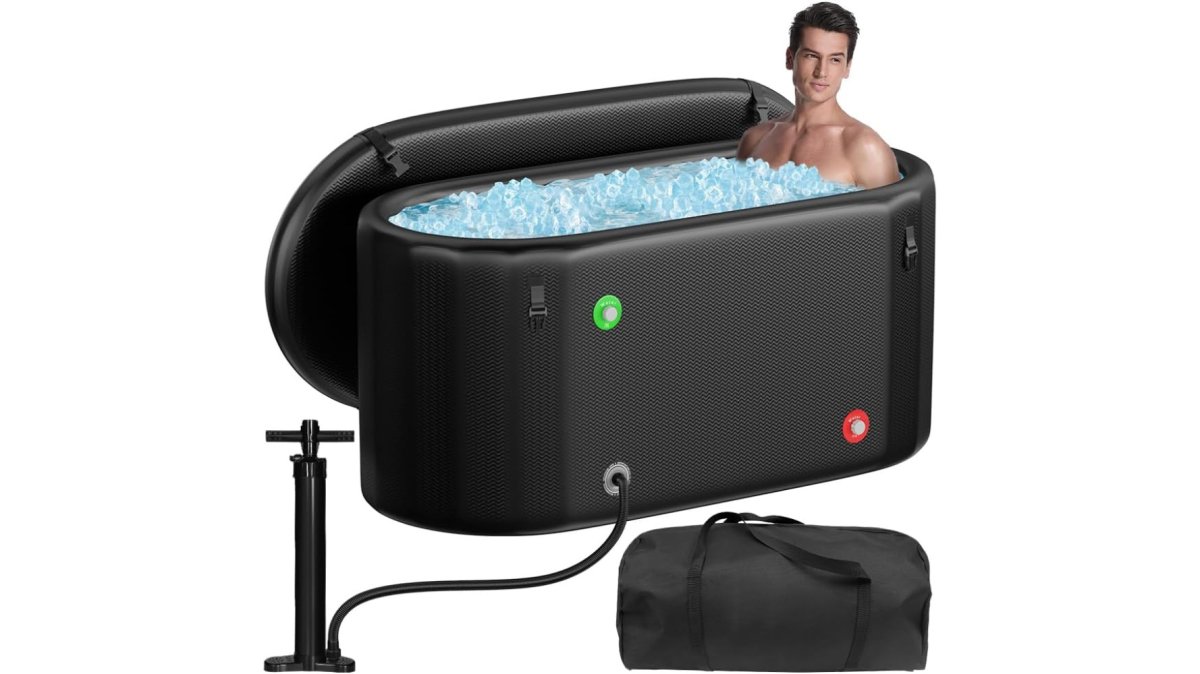
Build the habit around a fixed slot in your day, keep the tub clean and filtered, and track how you feel after each session. Protocol variations by sport matter here too: endurance athletes often plunge post-session, while strength athletes are better served by spacing it well away from lifting.
Frequently Asked Questions
Should you cold plunge if your muscles are already sore?
Yes, cold plunging can help with soreness, but timing matters. Cold water immersion narrows blood vessels, which reduces swelling and numbs pain. For delayed onset muscle soreness (DOMS), a 10-15 minute plunge at 50-59°F within a few hours of training works best. If soreness is severe or you have an injury, wait until acute inflammation subsides before plunging.
When should you not do a cold plunge?
Skip cold plunging if you have heart conditions, high blood pressure, or circulation problems. Avoid it during pregnancy, when you have open wounds, or if you are intoxicated. People with Raynaud's disease or cold allergies should not plunge. Always consult a doctor first, especially if you take medication that affects heart rate or blood flow.
How long should you stay in an ice bath for recovery?
Most recovery protocols recommend 10-15 minutes at 50-59°F. Beginners should start with 2-3 minutes at 59°F and build tolerance gradually. Exceeding 15 minutes increases hypothermia risk without extra recovery benefit. A water chiller that maintains consistent temperature helps you hit the right cold plunge duration for recovery every session.
Does cold plunging reduce muscle inflammation?
Cold water immersion constricts blood vessels, which can reduce blood flow and limit inflammatory markers in the hours after training. Studies show it lowers perceived soreness and creatine kinase levels. That said, some inflammation is necessary for muscle repair. Use cold plunging strategically, not after every workout, to avoid blunting adaptation.
Is it better to take hot or cold baths for sore muscles?
Cold baths work better immediately after intense training to reduce swelling and numb pain. Hot baths help with chronic stiffness and relaxation by increasing blood flow. An ice bath vs sauna for muscle soreness comparison often favours cold for acute recovery and heat for relaxation. Some athletes alternate both for the best of each.
Soreness is part of training, but it does not have to dictate your week. Cold plunging gives you a reliable way to manage it, provided you get the duration, temperature, and timing right. Thermo Plunge Recovery Systems builds professional-grade ice baths and chillers for athletes who want that control at home, backed by free shipping, a 30-day guarantee, and 24/7 support. Get started with Thermo Plunge Recovery Systems and recover smarter after every session.