

Professional Grade Ice Bath for Sale: 2026 Buyer's Guide
Table of Contents
- What Separates a Professional Grade Ice Bath from Budget Options
- Ice Bath Recovery Benefits That Drive the Investment
- Ice Bath Temperature Settings: Finding Your Optimal Range
- Cold Plunge Water Filtration Systems: Keeping Your Water Safe
- Cold Plunge Chiller Maintenance: Day-to-Day Realities
- Portable vs. Permanent Professional Grade Ice Bath Systems
- Medical Contraindications and Safety Protocols for Cold Water Immersion
- Choosing the Right Setup from Thermo Plunge Recovery Systems
Last Updated: August 5, 2026
What Separates a Professional Grade Ice Bath from Budget Options
A professional grade ice bath is engineered for daily use, precise temperature regulation, and long-term structural integrity, qualities entry-level tubs cannot match. Within months of regular use, budget options show their limits: warped walls, inconsistent chilling, and filtration systems that cannot keep pace with frequent sessions.
At Thermo Plunge Recovery Systems, we've spent years helping athletes, clinic operators, and wellness enthusiasts find the right cold therapy setup. The gap between a $170 portable tub and a fully equipped recovery system isn't just price. It's about materials, chiller technology, and total cost of ownership over time.
Construction Materials and Durability
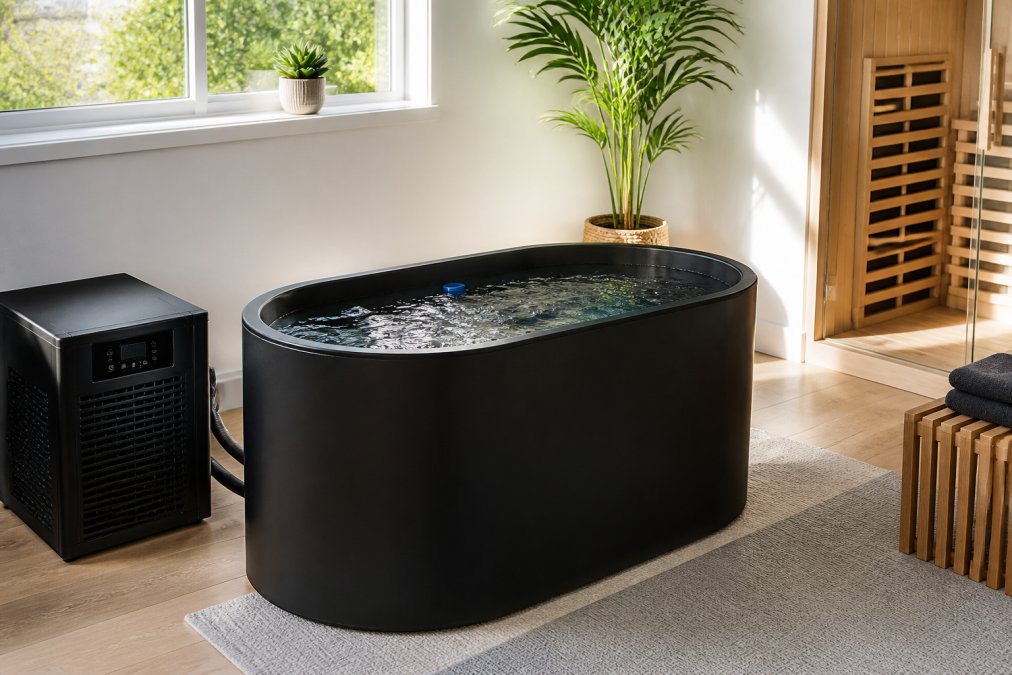
Budget ice baths use single-layer PVC or thin polyethylene. Professional systems use rotomoulded polyethylene, acrylic fiberglass composites, or stainless steel, materials chosen for thermal conductivity management, chemical resistance, and structural load-bearing over years of daily immersion.
Rotomoulding creates a seamless, leak-proof shell with consistent wall thickness, improving insulation efficiency and reducing chiller workload. Commercial-grade acrylic fiberglass tubs maintain their shape under hydrostatic pressure and resist degradation from ozone sanitation and chlorine-based water treatment. Stainless steel construction offers unmatched hygiene for clinical and gym settings, though most home wellness setups favour rotomoulded or acrylic options due to cost and weight.
Chiller Technology and Compressor Performance
The compressor motor is the heart of any professional cold plunge system. Entry-level setups rely on ice, which means ongoing cost, inconsistent temperature, and logistical hassle.
A professional chiller maintains sub-zero-adjacent temperatures (typically 39°F to 50°F) automatically. The Thermo Plunge Water Chiller (1/3 HP) cools water to 39°F, works with any existing tub, and includes a built-in filter and timer for energy-efficient operation. Higher-end commercial systems use reverse-cycle compressor motors that enable contrast therapy, but for most home users and boutique wellness studios, a dedicated cooling compressor is sufficient and more energy efficient than an oversized unit cycling on and off.

Ice Bath Recovery Benefits That Drive the Investment
Cold water immersion therapy produces measurable physiological responses that explain why professional athletes and physical therapists have relied on it for decades.
Post-Workout Recovery and Muscle Inflammation
Cold water immersion works primarily through vasoconstriction. When you submerge in cold water, blood vessels constrict, reducing blood flow to peripheral tissues and limiting the inflammatory response in stressed muscle fibres. This decreases swelling and delayed onset muscle soreness.
The therapeutic effect depends on temperature consistency. A session at a stable 50°F produces a different physiological response than one drifting from 50°F to 58°F. Professional-grade systems hold their set temperature throughout the session, which is what makes them worth the investment for serious performance recovery.
According to National Strength and Conditioning Association guidance on recovery modalities, cold water immersion is one of the most studied post-exercise recovery tools, with documented effects on perceived soreness and short-term performance readiness.
Circulatory Health, Sleep, and Stress Relief
Cold therapy activates thermogenesis, the body's heat-generating process, which affects metabolic function and circulatory health. Many practitioners report improved sleep quality and reduced baseline stress after establishing a consistent cold plunge routine.
This matters for the non-athlete segment too. You don't need to train twice daily to benefit from hydrotherapy. Many home cold plunge users are primarily chasing better sleep, lower cortisol, and a more grounded mental state.
Ice Bath Temperature Settings: Finding Your Optimal Range
Most cold therapy protocols recommend water temperature between 50°F and 59°F for general recovery and wellness use. Experienced practitioners often work in the 39°F to 50°F range for more aggressive cryotherapy effects.
The right starting point for most people is 55°F to 60°F for sessions of 5 to 10 minutes. This range produces meaningful vasoconstriction without the shock response that causes people to cut sessions short. As cold tolerance builds, many users gradually lower their target temperature.
Temperature regulation precision matters. A chiller that holds 50°F within a degree or two lets you follow a structured protocol. One that fluctuates by 5°F to 8°F makes progress tracking impossible. Professional-grade systems with digital temperature displays and programmable timers give you that control, which is essential for commercial settings protecting users and giving staff a consistent baseline for client programming.
Cold Plunge Water Filtration Systems: Keeping Your Water Safe
Water filtration is the most underestimated aspect of cold plunge ownership. Most buyers focus on chiller performance and tub size, then discover their water has gone green or developed an unpleasant odour. A professional-grade cold plunge water filtration system prevents this.
Cold water is actually more hospitable to certain bacteria than warm water. Without active sanitation, a cold plunge used daily can accumulate biofilm and microbial growth faster than a hot tub. The solution is a multi-layer approach combining mechanical filtration with active sanitation chemistry.
As noted by Centers for Disease Control and Prevention guidelines on recreational water quality, proper water sanitation in immersion settings requires both adequate disinfectant levels and regular monitoring.
Ozone Sanitation and UV Sterilisation
Ozone (O₃) is a powerful oxidiser that breaks down organic contaminants, bacteria, and biofilm at the molecular level. UV sterilisation disrupts the DNA of microorganisms, preventing reproduction without adding chemicals to the water.
Many professional cold plunge systems combine both methods: ozone for bulk sanitation and UV as a secondary barrier. This combination significantly reduces the need for chlorine or bromine, which can degrade acrylic fiberglass surfaces and irritate skin over time.
Water Chemistry and Sanitation Standards
Maintaining proper water chemistry requires regular testing and adjustment. Key parameters are pH (target 7.2 to 7.6), sanitiser levels, and total dissolved solids. pH drift reduces sanitiser effectiveness and causes equipment corrosion.
A practical water maintenance routine includes:
- Test pH and sanitiser levels 2-3 times per week
- Shock the water with an oxidiser weekly if used daily
- Clean the filter cartridge every 2-4 weeks depending on usage
- Perform a full water change every 1-3 months based on bather load and TDS readings
Commercial operators should follow guidelines from the Pool & Hot Tub Alliance's water quality standards as a baseline framework.
Cold Plunge Chiller Maintenance: Day-to-Day Realities
Most buyers focus on cold plunge chiller maintenance only after something goes wrong. A chiller maintained properly will outlast a neglected one by years, and the maintenance tasks are straightforward once built into a routine.
The compressor motor needs adequate airflow. Positioning your chiller in an enclosed cabinet or against a wall with no clearance causes heat buildup that shortens compressor life. Most manufacturers recommend at least 6 inches of clearance on all sides. The internal filter needs periodic cleaning, typically monthly for home use, more frequently in commercial settings.
Long-Term Operational Costs to Budget For
The purchase price is only one part of the financial picture. Long-term operational costs include electricity, water treatment consumables, filter replacements, and occasional servicing.
| Cost Category | Estimated Frequency | Notes |
|---|---|---|
| Electricity (chiller) | Monthly | Varies by ambient temperature and usage frequency |
| Filter cartridges | Every 1-3 months | Depends on bather load and water quality |
| Sanitiser and chemicals | Monthly | Ozone/UV systems reduce chemical spend |
| Full water change | Every 1-3 months | More frequent in commercial settings |
| Professional servicing | Annually | Compressor check, refrigerant inspection |
A chiller running in a warm climate works harder to maintain cold temperatures, increasing electricity consumption. Insulation efficiency in the tub directly offsets this: a well-insulated tub holds its temperature longer between chiller cycles, reducing runtime and energy use.
Portable vs. Permanent Professional Grade Ice Bath Systems
The choice between portable and permanent cold plunge setups depends on space, budget, and usage plans. Both categories can reach professional grade but serve different use cases.
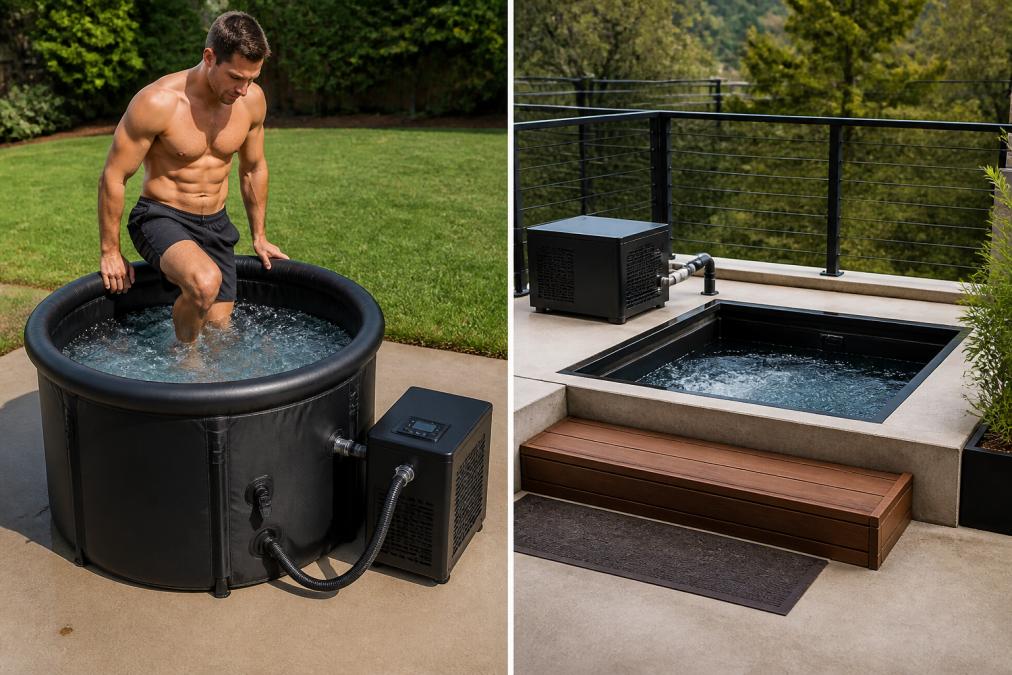
Portable ice bath systems, like the Thermo Plunge XL Ice Bath Tub (160 gallons), offer full-body immersion in a format that can be set up outdoors, moved between locations, or stored when not in use. Paired with a compatible chiller unit, a portable setup delivers a professional cold water immersion experience without permanent installation.

Permanent systems offer better insulation efficiency, more integrated filtration, and a cleaner aesthetic. They're ideal for dedicated wellness rooms, commercial gym installations, and performance recovery centres where the tub will be used multiple times daily.
Space-Specific Installation Considerations
The biggest mistake is buying a tub without accounting for the full installation footprint. You need space for the chiller unit, drainage access, and electrical supply.
For indoor home installations:
- A 1/3 HP chiller requires a standard 110V outlet and adequate ventilation
- The chiller exhausts heat; in a small room, this raises ambient temperature and forces the compressor to work harder
- Floor drainage or a nearby sink simplifies water changes
For outdoor installations:
- UV exposure and freeze risk are primary concerns for tub material
- Chiller units should be protected from direct rain and extreme cold
- A covered patio or dedicated outdoor wellness area is ideal
For commercial gym and wellness studio installations:
- Local plumbing codes govern drain connections; consult a licensed plumber
- Commercial settings benefit from a dedicated 20A circuit to prevent tripped breakers
- Floor reinforcement may be required for heavier permanent tub installations
Medical Contraindications and Safety Protocols for Cold Water Immersion
Cold water immersion is not appropriate for everyone. Understanding medical contraindications protects users and is essential for gym operators and physical therapists recommending cold therapy.
Conditions that contraindicate cold water immersion include:
- Raynaud's disease or other cold-sensitivity disorders
- Uncontrolled hypertension or cardiovascular disease
- Open wounds, skin infections, or active dermatological conditions
- Peripheral neuropathy or impaired sensation in the extremities
- Pregnancy (particularly in the first trimester)
- Recent cardiac events or arrhythmia history
The physiological response, rapid vasoconstriction, increased heart rate, and the initial gasp reflex, places acute stress on the cardiovascular system. For healthy individuals, this stress is manageable and forms part of the adaptive response. For those with underlying conditions, it can trigger serious adverse events.
Safe cold therapy protocol includes:
- Never plunge alone, particularly during the first few sessions
- Limit initial sessions to 2-3 minutes and build duration gradually
- Exit the tub immediately if you experience chest pain, dizziness, or numbness
- Keep a warm towel and dry clothing immediately accessible
- Consult a physician before beginning cold immersion therapy if you have cardiovascular or circulatory health concerns
According to American College of Sports Medicine position statements on exercise recovery, gradual acclimatisation to cold exposure is the recommended approach for new practitioners, with supervised initial sessions preferred for clinical populations.
Choosing the Right Setup from Thermo Plunge Recovery Systems
The right professional grade ice bath setup depends on how often you'll use it, how much space you have, and what level of temperature control you need.
For home athletes and wellness enthusiasts starting out, the Thermo Plunge Water Chiller (1/3 HP) paired with the XL 160-gallon Ice Bath Tub gives you a complete, chiller-powered cold plunge system with full-body immersion capacity. The chiller cools to 39°F, the tub is insulated and chiller-compatible, and the entire setup is portable enough to move or store as needed.
For those wanting a complete recovery ecosystem, the Ultimate Recovery and Wellness Bundle combines the XL ice bath, the 1/3 HP water chiller, and a full-body red light therapy system, covering cold therapy, photobiomodulation, and contrast recovery in a single purchase.
For budget-conscious buyers or those with limited space, the multi-layered portable Ice Bath Tub provides a solid entry point for cold water immersion without a chiller, ideal for athletes comfortable managing temperature with ice and wanting a durable, insulated tub that handles regular use.

Every Thermo Plunge Recovery Systems purchase includes free shipping, a 30-day guarantee, and 24/7 support. If a system doesn't work for your space or recovery goals, the returns process is straightforward with no hidden conditions.
Frequently Asked Questions
What makes an ice bath 'professional grade'?
A professional grade ice bath uses a dedicated chiller unit with a compressor motor capable of reaching temperatures as low as 39°F or below, paired with active water filtration, typically ozone sanitation or UV sterilisation. The tub itself is built from durable materials such as acrylic fiberglass or rotomolded polyethylene with insulated walls and leak-proof seals. These systems are engineered for daily use and consistent temperature regulation, unlike portable tubs that rely on manually added ice.
Do professional ice baths require a dedicated water line?
Most home-use professional grade ice baths do not require a dedicated water line. Systems like the Thermo Plunge 1/3 HP Water Chiller operate as plug-and-play units that connect to a standard 110V or 220V household outlet and work with any compatible tub. You fill the tub manually and the chiller circulates and cools the water continuously. Commercial-grade or permanently installed units may require plumbing connections, so confirm electrical and plumbing specs before purchasing.
How often do you need to change the water in a professional cold plunge?
With an active filtration system, such as ozone sanitation or UV sterilisation, water in a professional cold plunge typically needs changing every two to four weeks for personal home use. Without filtration, water should be changed every two to three days to prevent bacterial growth. Monitoring pH levels and sanitiser concentrations weekly helps extend water life and maintain safe water chemistry standards. Frequency increases if multiple users share the tub.
Are professional ice baths worth the investment for home use?
For athletes, wellness enthusiasts, and anyone pursuing consistent cold water immersion therapy, a professional grade ice bath delivers measurable returns. Precise temperature regulation supports repeatable cold therapy protocols, while built-in filtration reduces ongoing maintenance costs compared to filling a tub with ice daily. Bundles like the Thermo Plunge Ultimate Recovery & Wellness Bundle combine an ice bath, chiller, and red light therapy at $2,199.95, a fraction of what gym memberships and recovery clinic visits cost over a year.
The biggest barrier to cold therapy is usually the first step: choosing equipment you can trust to perform consistently, day after day. Thermo Plunge Recovery Systems builds professional-grade cold plunge systems for exactly that purpose, durable construction, reliable chilling, and the support infrastructure to make the experience genuinely hassle-free. Shop the full collection at Thermo Plunge Recovery Systems and find the setup that fits your space, your goals, and your recovery routine.
This article was written using GrandRanker