

Recovery Strategies for Masters Athletes Over 40
Last Updated: October 29, 2026
Quick Summary
Recovery strategies for masters athletes over 40 center on consistent sleep, adequate protein spread across meals, planned rest days, and sequencing hard training so connective tissue has time to adapt. Recovery slows with age, so scheduling rest and tracking how you feel matters more than a generic training template. Equipment such as cold plunges or red light therapy can complement these habits but should not replace them.
- Recovery slows after 40 because of changes in muscle repair, connective tissue adaptation, and lingering inflammation.
- Sleep is where most physical repair happens, so keep a consistent sleep and wake time.
- Spread protein across meals and aim for a meaningful serving within a couple of hours after training.
- Plan at least one full rest day per week and reduce intensity when sleep is poor or soreness lingers past 48 hours.
- Discuss any new supplement with a physician or registered dietitian, especially if you take prescription medication.
Table of Contents
- Why Recovery Slows Down After 40
- Sleep and Rest as the Foundation of Recovery
- Nutrition for Masters Athletes Recovery
- Benefits of Cold Plunge for Older Athletes
- Infrared Sauna Recovery Protocols for Training Blocks
- Red Light Therapy for Joint Pain and Soft Tissue Recovery
- Building Your Recovery Plan and Choosing Equipment That Fits Your Routine
- Frequently Asked Questions
Masters athletes over 40 face a recovery problem that younger competitors rarely notice, and recovery strategies for masters athletes over 40 are the place to start addressing it. Sleep, nutrition, and training load matter at every age, but the margin for error narrows as the body changes. Thermo Plunge Recovery Systems builds home recovery equipment for athletes who want to train hard and bounce back faster, and this guide covers the strategies that matter most after 40. Recovery strategies for masters athletes over 40 are less about doing more and more about doing the right things consistently.
Most recovery advice is written for people in their twenties. Our view is that the principles hold, but the priorities shift. Sleep quality, protein intake, and deliberate use of cold, heat, and light therapies tend to matter more than they once did. The sections below walk through each area and show how to build a plan that fits a real training week.
Why Recovery Slows Down After 40
Recovery slows after 40 for several overlapping reasons, and understanding the mechanisms matters because each one points to a different fix. Muscle repair can become less efficient with age, joints and connective tissue can adapt more slowly, and low-grade inflammation may linger longer after hard sessions. Many masters athletes notice that recovery takes longer than it once did.
The practical takeaway is that recovery time has to be planned, not assumed. Scheduling rest days, managing intensity, and tracking how you feel the morning after a session will reveal far more than a generic training template.
Hormonal changes that affect repair
Hormonal shifts are one reason recovery can change with age. The picture is more nuanced than "testosterone goes down." In both men and women, age-related changes in sex hormones, growth hormone secretion, and cortisol rhythm interact with sleep and training stress to shape how quickly tissue repairs.
- Testosterone and estrogen. Both hormones support muscle protein synthesis and connective tissue repair. Declines are gradual and highly individual, but the practical signal is a slower response to the same training load rather than a sudden cliff.
- Growth hormone. Pulsatile growth hormone release, much of it during deep sleep, tends to diminish with age. This is one reason sleep quality becomes a recovery lever rather than a nice-to-have.
- Cortisol. The stress hormone follows a daily rhythm, and poor sleep, chronic training stress, or life stress can flatten that curve. A flattened curve is associated with persistent fatigue and slower recovery.
The exact effect varies from person to person, so the most useful response is to watch for persistent fatigue, poor sleep, or slow recovery and discuss them with a physician rather than guessing at a fix.
The inflammation and connective tissue angle
Beyond hormones, two other mechanisms deserve attention. First, the acute inflammatory response to hard training can be slower to resolve, which is why soreness may linger past 48 hours more often than it did at 25. Second, tendons and fascia have limited blood supply and slower collagen turnover, so they adapt on a longer timeline than muscle. That mismatch is why masters athletes often feel strong before their joints feel ready.
The response is not to avoid hard training but to sequence it: build in easier weeks, avoid stacking high-intensity sessions back to back, and give connective tissue the same progressive patience you give muscle.
Sleep and Rest as the Foundation of Recovery
Sleep is where most physical repair happens, and it is the first lever to pull. Aim for a consistent sleep and wake time, keep the bedroom cool and dark, and limit screens in the hour before bed. Consistency matters as much as total hours, because a stable schedule supports the circadian rhythm that governs recovery hormones.
Rest days deserve the same discipline. Low-impact activity such as walking, easy cycling, or mobility work can count as active recovery and keep blood flow moving without adding stress. Plan at least one full rest day per week and reduce intensity when sleep is poor or soreness lingers past 48 hours.
Nutrition for Masters Athletes Recovery
Protein intake is the core nutritional priority, but the specifics matter more after 40. Older muscle may respond less readily to the same protein dose, so spreading protein across meals is a common approach. A meaningful serving within a couple of hours after training is often recommended to support recovery.
Hydration and electrolytes matter just as much, particularly after long or hot sessions. Carbohydrates replenish glycogen, which is especially useful when training more than once a day. Keep meals simple and consistent, and adjust portions based on training volume rather than a fixed formula.
Supplementation: what the evidence actually supports
Most recovery guides either ignore supplements or list them without context. For masters athletes, a small number have reasonable evidence behind them, and the rest are largely optional.
Upgrade XL Ice Bath Tub – Portable Cold Plunge for Athletes →
Alcohol, caffeine, and the recovery trade-off
Two everyday substances deserve a mention because they quietly undercut recovery. Alcohol and caffeine can both affect sleep and recovery, so timing and quantity are worth considering before adding another supplement.
Benefits of Cold Plunge for Older Athletes
Many people use cold water immersion after hard sessions to ease the sensation of muscle soreness. Many people use it to manage soreness and session readiness rather than as a guaranteed performance booster.
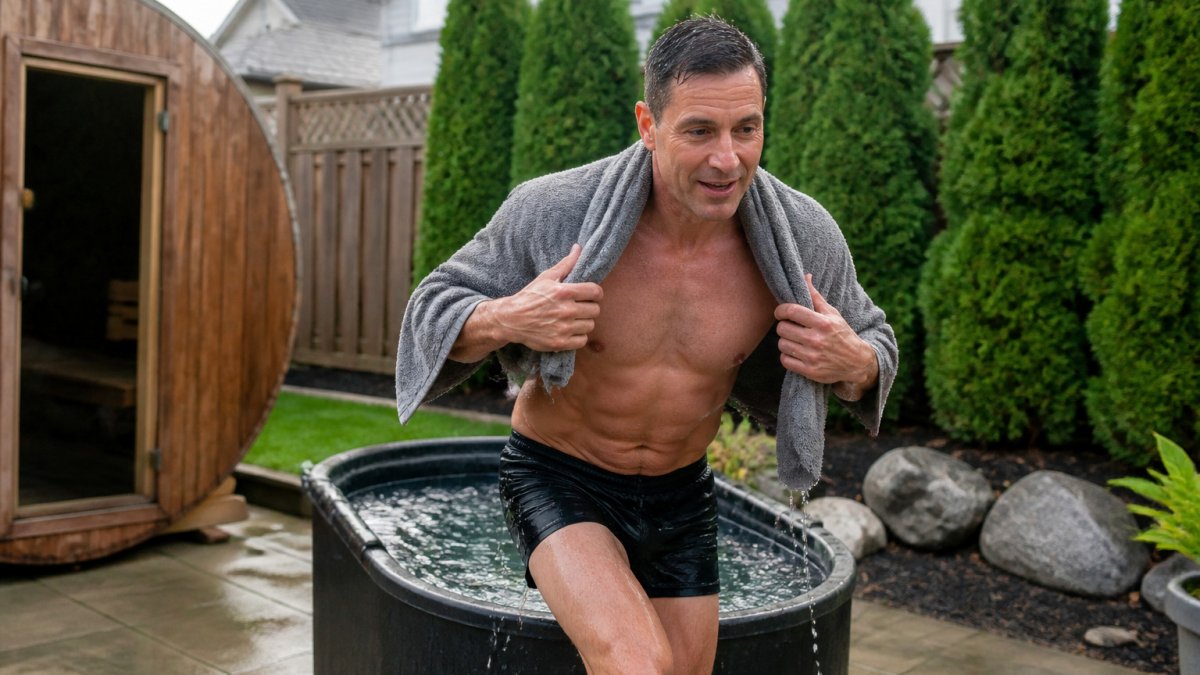
A home setup makes consistent use practical. The Upgrade XL Ice Bath Tub - Portable Cold Plunge for Athletes is a 160-gallon, chiller-compatible option for athletes who want room for solo or shared sessions, and it lists at $648.95. For a smaller budget, the Ice Bath Tub - Portable Cold Plunge for Recovery is foldable and lists at $169.95. Pair either tub with a Water Chiller - 1/3 HP Ice Bath Cold Plunge if you want to hold water near 39°F, which lists at $999.95.


Start with short sessions and build tolerance gradually. Avoid cold immersion immediately before strength work if your goal is maximum power output, and speak with a doctor first if you have cardiovascular conditions.
Infrared Sauna Recovery Protocols for Training Blocks
Heat exposure is a useful complement to cold, especially during heavy training blocks. Infrared saunas are often used for relaxation and to unwind after training. Treat sauna sessions as a comfort and routine tool rather than a clinical treatment.
Keep sauna sessions short, hydrate before and after, and stop if you feel dizzy. The Infrared Sauna - 2-Person Premium Home Spa is a two-person Hemlock wood unit listed at $3,999.95 that suits households wanting a permanent option.
Red Light Therapy for Joint Pain and Soft Tissue Recovery
Some people use red light therapy for joint discomfort and soft tissue soreness. Results vary, so set realistic expectations and track how your joints respond over several weeks.
A wearable option can make consistent sessions easier. The Red Light Therapy Pad - Full-Body Infrared Healing Wrap uses 660nm and 850nm wavelengths, has a timer and remote, and lists at $799.95. Combine it with mobility work rather than relying on light alone.

Building Your Recovery Plan and Choosing Equipment That Fits Your Routine
A recovery plan works best when it is specific. Choose two or three strategies that address your biggest limiter, whether that is sleep, soreness, joint pain, or time. Schedule them into your week, track how you respond for four to six weeks, and adjust.
When choosing equipment, match it to your space, your budget, and how often you will realistically use it. A cold plunge suits athletes who train hard several days a week, while a wearable light pad may fit someone who wants a low-effort evening routine. Measure your space before buying, check the return terms on any purchase, and confirm the total cost including a chiller if you plan to use one.
Frequently Asked Questions
Why does recovery take longer for athletes over 40?
Recovery slows with age for several overlapping reasons. Recovery can slow with age for several overlapping reasons, and sleep quality often changes over time. Masters athletes usually respond best to slightly longer rest between hard sessions, consistent sleep, adequate protein, and a training load adjusted to how they feel day to day rather than to a fixed plan.
What are the most effective recovery tools for masters athletes?
The most useful tools combine a solid base with a few targeted additions. Sleep, adequate protein and planned rest days come first. Low-impact activity, mobility work and soft tissue mobilization help maintain joint range of motion. Cold water immersion, infrared sauna sessions and red light therapy can complement those habits. Start with one or two tools, track how your soreness and sleep respond over several weeks, and add more only if they clearly help.
How does nutrition impact recovery for aging athletes?
Protein intake matters more for athletes over 40 because muscle protein synthesis becomes less efficient with age. Many masters athletes spread protein across their meals rather than eating most of it at dinner. Hydration and electrolyte balance also affect how quickly you feel recovered after long or hot sessions. Post-workout meals that combine protein and carbohydrates support glycogen replenishment after hard training.
Is red light therapy effective for joint pain in older adults?
Results with red light therapy vary from person to person. Wearable pads with 660nm and 850nm wavelengths are one option for targeting larger areas such as the knees, lower back or shoulders. Use red light therapy alongside mobility work, strength training and sleep rather than as a replacement for them. If joint pain is persistent or worsening, consult a physician or physical therapist before relying on any device.
How much sleep do masters athletes need for optimal recovery?
Most adults need seven to nine hours of sleep, and masters athletes often benefit from the upper end of that range during heavy training blocks. Consistency matters as much as total hours. Keep a regular bedtime, keep the bedroom cool and dark, and limit heavy meals and screens close to bedtime. Poor sleep reduces recovery heart rate recovery and increases perceived fatigue, so it is one of the first habits to protect.
Recovery strategies for masters athletes over 40 pay off when they are consistent and matched to your body. Thermo Plunge Recovery Systems offers home cold plunge, infrared sauna, and red light therapy options, with free shipping, a 30-day guarantee, and 24/7 support to help you get started. Shop the collection to find the setup that fits your training.
