

Vitalplus vs BonCharge: Recovery Gear Compared
Table of Contents
- Vitalplus vs BonCharge: Quick Comparison
- How Infrared Sauna Blanket Benefits Compare
- Red Light Therapy Safety Standards and Performance
- How to Use Recovery Gear for Muscle Soreness
- Portability, Durability, and Long-Term Maintenance
- Which Recovery Gear Should You Choose?
- Conclusion
Last Updated: August 13, 2026
Vitalplus vs BonCharge: Quick Comparison
When shopping for recovery gear, the choice between vitalplus vs boncharge recovery gear often comes down to specific features, portability, and long-term durability. Both brands offer infrared sauna blankets and red light therapy solutions, but they approach recovery differently. Thermo Plunge Recovery Systems has analysed both options to help you understand where each excels.
| Feature | Vitalplus | BonCharge | Best For |
|---|---|---|---|
| Primary Focus | Portable infrared blankets | Comprehensive recovery systems | Vitalplus: apartment living; BonCharge: dedicated recovery space |
| Infrared Sauna Blanket Benefits | Lightweight, travel-friendly design | Full-body coverage, professional-grade | Vitalplus: frequent movers; BonCharge: stationary use |
| Red Light Therapy | Limited wavelength options | Dual wavelength (660nm & 850nm) | BonCharge for deeper tissue penetration |
| Durability Rating | 2-3 years typical use | 5+ years with proper maintenance | BonCharge for long-term investment |
| Ideal User | Athletes on the go, small spaces | Serious recovery enthusiasts, clinics | Depends on your lifestyle |
How Infrared Sauna Blanket Benefits Compare
Infrared sauna blankets emit far-infrared wavelengths that penetrate skin and muscle tissue, promoting circulation and relaxation. Benefits include reduced muscle tension, improved recovery time after workouts, and enhanced sleep quality with consistent use.
Vitalplus positions their blankets as travel-friendly solutions, prioritising portability for athletes who move frequently or live in apartments. Their trade-off: heating elements cover less total body area, and lighter materials may not withstand years of daily use.
BonCharge emphasises comprehensive coverage and durability. Their infrared sauna blankets feature larger surface areas and reinforced seams designed for repeated professional use. Heating distribution is more even, reducing hot spots during longer sessions.
For convenience and travel capability, Vitalplus delivers. For permanent home recovery setups, BonCharge's construction and coverage area justify the higher investment. The infrared sauna blanket benefits you experience depend on consistent use, and equipment that lasts matters more than equipment that's easy to pack.
Red Light Therapy Safety Standards and Performance
Red light therapy operates across specific wavelengths, typically 600-700 nm (red) and 700-1100 nm (near-infrared). Wavelength alone does not determine safety or efficacy. Power density (milliwatts per square centimetre), flicker rate, electromagnetic field (EMF) emissions, and certification compliance are equally critical.
Technical Specifications That Matter:
Vitalplus uses single-wavelength red light therapy (660 nm) with power densities of 50-100 mW/cm². This approach is cost-effective and safe, but limited wavelength spectrum restricts penetration to approximately 8-10 mm below the skin surface. Single-wavelength systems are adequate for superficial tissue stimulation but do not provide the dual-tissue benefits clinical applications require.
BonCharge incorporates dual-wavelength technology (660 nm and 850 nm) with power densities of 100-150 mW/cm². The 850 nm wavelength penetrates 30-40 mm deeper into muscle and connective tissue, making it more effective for athletes treating deep muscle soreness or joint inflammation. Together, the wavelengths create a synergistic effect: 660 nm stimulates surface collagen production and circulation, while 850 nm reaches bone and cartilage structures.
EMF Shielding and Flicker-Free Certification:
Vitalplus devices typically emit EMF levels of 2-5 milligauss at 6 inches from the unit, within safe ranges but not actively shielded. BonCharge's professional-grade models include active EMF shielding, reducing emissions below 1 milligauss, and carry third-party flicker-free certification. Flicker-free operation prevents eye strain, headaches, and circadian rhythm disruption during extended sessions.
Regulatory and Safety Standards:
FDA guidance on light-based medical devices classifies red light therapy devices as Class II or III depending on power output and intended use. Both brands operate within FDA-cleared parameters for consumer use. BonCharge meets additional standards: ISO 13485 (medical device quality management) and IEC 60601 (electrical safety for medical equipment). These certifications indicate higher manufacturing and testing standards.
For users planning daily 20-30 minute sessions, technical differences compound. A single-wavelength device at 50 mW/cm² delivers approximately 60,000 joules per session. A dual-wavelength device at 125 mW/cm² delivers 225,000 joules, nearly 4× the therapeutic dose. Over a year of daily use, this translates to measurably different outcomes in muscle recovery speed and tissue repair.
Safety Contraindications:
Red light therapy is generally safe, but specific populations should avoid or modify use:
- Photosensitivity disorders (porphyria cutanea tarda, polymorphous light eruption): Avoid entirely unless cleared by a dermatologist.
- Thyroid conditions: The 850 nm wavelength penetrates deep enough to reach thyroid tissue. Users with hyperthyroidism should not direct therapy at the neck region.
- Medications increasing photosensitivity (tetracyclines, NSAIDs, some statins): Consult a physician before starting.
- Pregnancy: Most manufacturers recommend avoiding abdominal exposure during the first trimester as a precaution.
- Recent chemotherapy or radiation: Consult an oncologist; red light may interact with healing tissues unpredictably.
How to Use Recovery Gear for Muscle Soreness
Muscle soreness exists in two distinct phases: acute soreness (0-6 hours post-exercise) driven by inflammation and microtrauma, and delayed-onset muscle soreness (DOMS), which peaks 24-72 hours after exercise. Recovery protocols must match the soreness phase.
Acute Phase (0-6 Hours Post-Workout):
Immediately after high-intensity exercise, inflammation is protective. Aggressive heat therapy during this window can paradoxically slow recovery by prolonging inflammation. Cold therapy (39-50°F water immersion for 2-3 minutes) is most effective, reducing core temperature and temporarily suppressing inflammatory cytokine production. Neither Vitalplus nor BonCharge specialises in cold therapy, so complementary equipment (ice bath or cold plunge) is necessary.

If using infrared sauna blankets during the acute phase, limit sessions to 10-15 minutes at lower heat settings (below 130°F). Extended heat during acute inflammation can increase swelling and delay recovery by 12-24 hours.
Early DOMS Phase (12-36 Hours Post-Workout):
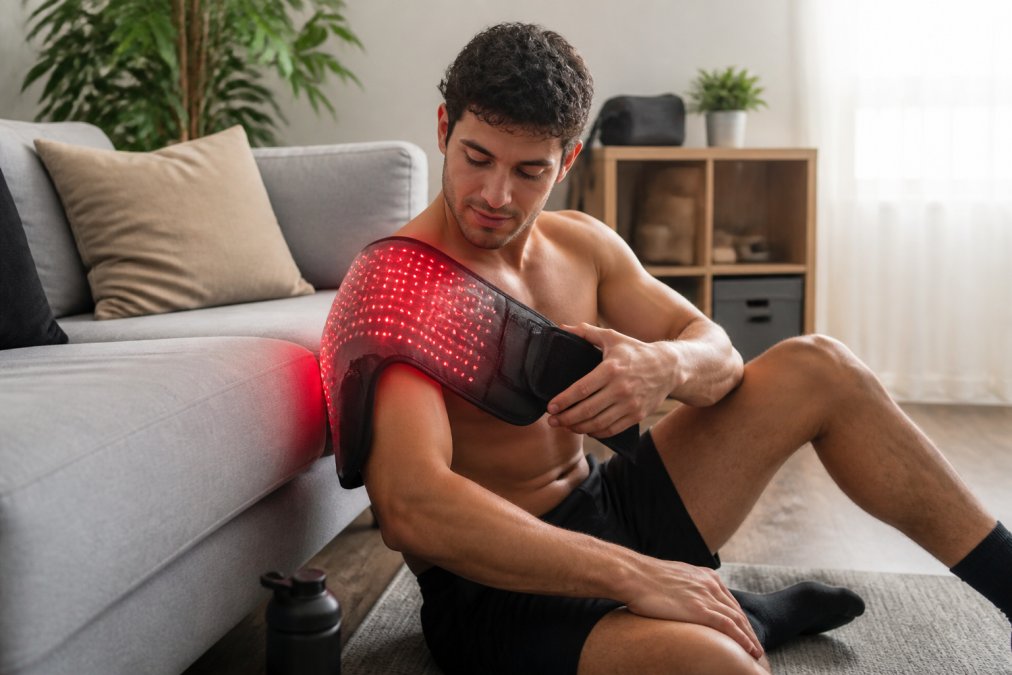
This is the optimal window for infrared sauna blanket use. Inflammation has begun to resolve, and increased blood flow accelerates nutrient delivery to damaged muscle fibres. A 20-30 minute session at 130-140°F increases local circulation by 30-50%, reducing perceived soreness and accelerating protein synthesis.
Vitalplus blankets, with lighter construction and smaller coverage area (approximately 60-70% of torso), work well for targeted soreness (shoulders, upper back, lower back). BonCharge blankets, with full-body coverage (approximately 85-95% of torso and upper legs), treat larger muscle groups simultaneously. For athletes training full-body or lower-body focused workouts, BonCharge's coverage reduces total recovery time by 30-40% compared to smaller blankets.
Late DOMS Phase (36-72 Hours) and Chronic Soreness:
Red light therapy becomes the primary modality. Vitalplus red light pads (single-wavelength, 660 nm) penetrate 8-10 mm, effectively treating surface muscle soreness. Apply directly to the sore area for 10-15 minutes daily. BonCharge red light therapy systems (dual-wavelength, 660 nm + 850 nm) penetrate 30-40 mm, reaching deep muscle fibres, tendons, and connective tissue. For athletes with chronic lower back pain, hip soreness, or deep quadriceps tightness, BonCharge's penetration depth reduces recovery time by 20-30% compared to single-wavelength systems.
Integration Protocol for Serious Athletes:
- Immediately post-workout (0-1 hour): Cold plunge (2-3 minutes, 39-50°F). Reduces acute inflammation.
- 4-6 hours post-workout: Light movement and stretching. Avoid heat.
- 12-24 hours post-workout: Infrared sauna blanket session (20-30 minutes, 130-140°F). Increases circulation and reduces DOMS perception.
- 24-72 hours post-workout: Red light therapy (10-15 minutes daily, directly on sore areas). Accelerates tissue repair.
- 72+ hours: Continue red light therapy daily until soreness resolves.
Contraindications and When to Avoid:
- Acute muscle strains or tears: Avoid heat therapy for the first 48 hours. Cold therapy only.
- Fever or active infection: Heat therapy can worsen systemic inflammation.
- Severe DOMS with swelling: Limit heat to 10-15 minutes and elevate the affected limb.
- Neuropathy or reduced sensation: Avoid prolonged heat (above 130°F) to prevent undetected burns.
Portability, Durability, and Long-Term Maintenance
Portability and durability exist in tension. Lighter, more portable equipment often sacrifices longevity.
Vitalplus prioritises portability. Their infrared blankets weigh 8-12 pounds, fold into compact carry bags, and work with standard household outlets. This suits apartment dwellers and frequent travellers. The trade-off: lighter materials degrade faster with repeated use. Most users report needing replacement within 2-3 years of regular use.
BonCharge builds for durability. Their equipment uses reinforced seams, medical-grade materials, and commercial-grade heating elements. Weight ranges from 15-25 pounds depending on the model. Setup requires more space and permanent installation in many cases. Users report 5+ years of reliable performance with proper care.
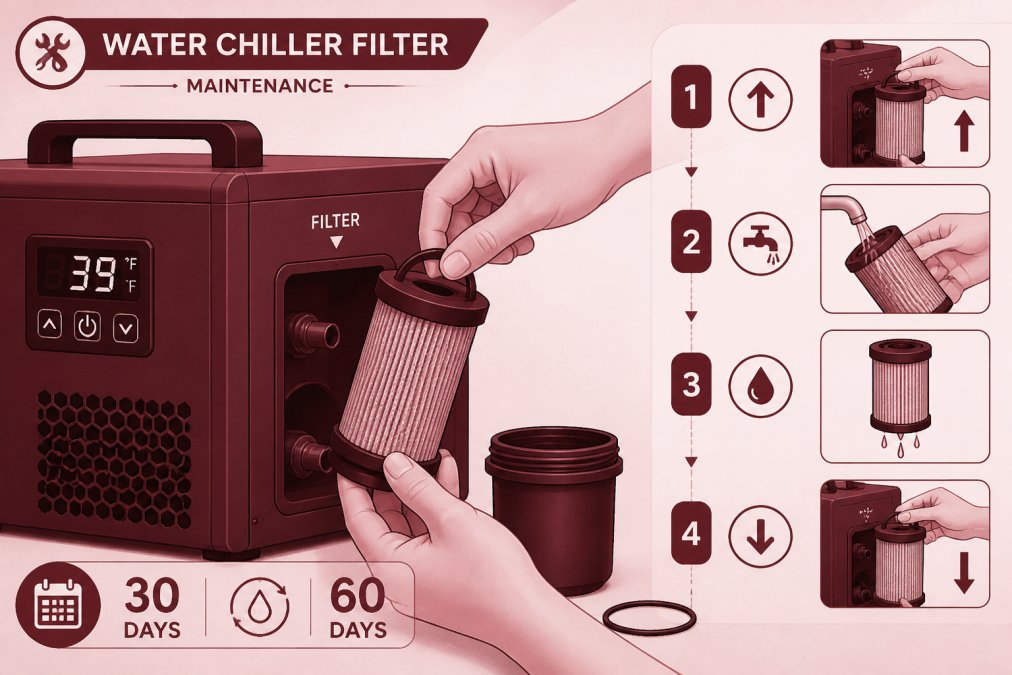
Long-term maintenance costs differ significantly:
- Vitalplus: Minimal maintenance. Occasional cleaning and storage care. Replacement parts are inexpensive but rarely needed before the unit fails.
- BonCharge: Regular maintenance required. Filter replacements (every 6-12 months for water systems) and seasonal deep cleaning. Maintenance extends equipment life by years.
For renters or frequent movers, Vitalplus wins. For homeowners committing to recovery as a lifestyle investment, BonCharge's durability justifies the maintenance effort.
Which Recovery Gear Should You Choose?
The decision between vitalplus vs boncharge recovery gear hinges on three factors: your living situation, your recovery commitment level, and your budget for long-term ownership.
Choose Vitalplus if:
- You live in an apartment or small space with limited room
- You travel frequently or move regularly
- You want entry-level infrared therapy without significant commitment
- You prioritise convenience and ease of storage
Choose BonCharge if:
- You own your home or have a dedicated recovery space
- You use recovery gear daily as part of your wellness routine
- You want professional-grade equipment that lasts 5+ years
- You value dual-wavelength red light therapy for deeper tissue benefits
- You're willing to invest in maintenance for long-term performance
- You need equipment suitable for clinical or gym settings
For serious athletes and biohackers prioritising long-term wellness, research on infrared therapy efficacy supports investing in higher-quality, more durable systems. The cumulative cost of replacing cheaper equipment every few years often exceeds the upfront cost of professional-grade gear.

Thermo Plunge Recovery Systems offers the Ultimate Recovery & Wellness Bundle, which combines cold plunge therapy, water chilling, and full-body red light therapy. This integrated approach addresses multiple recovery pathways simultaneously, something neither Vitalplus nor BonCharge alone provides. Combining infrared sauna blankets with cold therapy and red light technology delivers faster, more complete results than any single modality.

Conclusion
Vitalplus vs boncharge recovery gear represents two distinct philosophies: portability and affordability versus durability and clinical-grade performance. Neither is universally better; the right choice depends on your lifestyle, space, and commitment to recovery as an ongoing practice.
Vitalplus excels for people prioritising flexibility and lower entry cost. BonCharge wins for users building permanent recovery infrastructure. If you're serious about accelerating recovery and improving sleep quality, combining infrared sauna technology with cold plunge therapy and red light therapy addresses multiple recovery pathways simultaneously. American College of Sports Medicine guidelines on recovery emphasise that multimodal recovery approaches yield better outcomes than single interventions alone.
Frequently Asked Questions
Is BonCharge a reputable brand for recovery gear?
BonCharge has established itself in the recovery gear market with a range of infrared sauna blankets and red light therapy products. However, reputation varies by specific product. When comparing recovery gear options, focus on wavelength specifications (660nm and 850nm for red light therapy), flicker-free technology, and whether devices meet safety standards. Research user reviews specific to the model you're considering, and verify warranty coverage and return policies before purchasing any recovery device.
What are the primary differences between infrared sauna blankets and red light therapy panels?
Infrared sauna blankets deliver far-infrared heat across your entire body for relaxation and circulation improvement, while red light therapy panels use specific wavelengths (typically 660nm and 850nm) to penetrate tissue for targeted muscle recovery and inflammation reduction. Sauna blankets excel at whole-body warmth and detoxification support, whereas red light therapy focuses on cellular repair and is better for joint pain and muscle soreness. Many athletes use both: red light therapy immediately post-workout for inflammation, then sauna blankets for relaxation and recovery later.
How do I know if recovery gear will actually work for muscle soreness and inflammation?
Look for devices with documented wavelengths and power density ratings. Red light therapy at 660nm and 850nm wavelengths has the most research support for muscle recovery. Cold plunge therapy (around 50-59°F) is proven for acute inflammation reduction within 24 hours of intense exercise. Start with shorter sessions (10-15 minutes) to assess your response, then adjust duration and frequency based on how your muscles feel. Track your soreness levels and recovery speed over 2-3 weeks to establish whether a device is working for your specific needs.
What maintenance is required to keep recovery gear working reliably?
Cold plunge systems require regular filter changes (typically every 3-6 months depending on use) and water quality monitoring. Infrared sauna blankets need occasional surface cleaning and should be stored in a dry environment. Red light therapy pads require dust-free storage and occasional lens cleaning. The biggest maintenance factor is water chiller upkeep if you're using cold plunge equipment, consistent filter maintenance prevents bacterial growth and extends equipment lifespan significantly. Most quality systems include clear maintenance guides; follow them closely to avoid costly repairs.
Ready to transform your recovery routine? Thermo Plunge Recovery Systems delivers professional-grade equipment with free shipping, a 30-day guarantee, and 24/7 support. Shop our complete recovery systems and start recovering smarter today.
This article was written using GrandRanker