

Best Red Light Therapy for Inflammation: A 2026 Guide
Table of Contents
- How Red Light Therapy Works for Inflammation
- Optimal Wavelengths and Nanometers for Inflammation Relief
- Red Light Therapy Dosage for Inflammation: Finding Your Therapeutic Window
- How to Use Red Light Therapy at Home Safely and Effectively
- Near-Infrared vs. Red Light: Which Wavelength Works Best
- Safety, Contraindications, and What to Avoid
- Choosing the Right Device for Your Recovery Goals
Last Updated: August 30, 2026
How Red Light Therapy Works for Inflammation
Red light therapy, also called photobiomodulation, works by delivering specific wavelengths of light directly into your tissues. When these wavelengths penetrate your skin, they stimulate the mitochondria in your cells, the energy-producing powerhouses that generate ATP (adenosine triphosphate). This boost in cellular energy triggers a cascade of anti-inflammatory responses that reduce oxidative stress and calm the cytokine activity driving inflammation.

The mechanism is straightforward but powerful. Photons from red and near-infrared light are absorbed by an enzyme called cytochrome c oxidase in your mitochondrial membrane. This absorption accelerates electron transport, which increases ATP production. More ATP means your cells have the energy to repair tissue damage, reduce inflammation markers, and accelerate recovery. It's not a stimulant or a drug, it's cellular energy at the fundamental level.
What makes this approach different from ice, compression, or anti-inflammatories is that it addresses the root cause. You're not masking pain or numbing inflammation; you're giving your cells the raw energy they need to heal themselves. Athletes, physical therapists, and wellness practitioners have adopted red light therapy specifically because it works at the cellular level without side effects.
Optimal Wavelengths and Nanometres for Inflammation Relief
The therapeutic window for red light therapy spans two distinct ranges: red light at 600-700 nanometres and near-infrared light at 700-1100 nanometres. For inflammation specifically, the most studied and effective wavelengths are 660 nanometres (red) and 850 nanometres (near-infrared).
Red light at 660nm penetrates the skin effectively and stimulates surface-level tissues, ideal for joint inflammation, superficial muscle soreness, and skin-related inflammatory conditions. Near-infrared at 850nm penetrates deeper, reaching muscle tissue, tendons, and bone. This deeper penetration makes 850nm particularly effective for chronic joint stiffness, deep muscle fatigue, and inflammation in larger muscle groups.
The combination of both wavelengths is more effective than either alone. Red light activates mitochondria in surface tissues and improves circulation, while near-infrared reaches deeper structures and provides sustained anti-inflammatory signalling. Many professional-grade devices, including the Red Light Therapy Pad from Thermo Plunge Recovery Systems, use both wavelengths simultaneously for maximum coverage.

Wavelengths outside this range, either too short (ultraviolet) or too long (far-infrared heat), don't activate the same cellular mechanisms. This is why marketing claims about "full-spectrum" or "all wavelengths" should be viewed skeptically. The science points to specific nanometre ranges for specific outcomes.
Red Light Therapy Dosage for Inflammation: Finding Your Therapeutic Window
Dosage in red light therapy is measured by irradiance (light intensity measured in milliwatts per square centimetre) and fluence (total energy delivered, measured in joules per square centimetre). The therapeutic window, the range where benefits occur, typically falls between 1 and 10 joules per square centimetre for most inflammation applications.
Too little energy and the light won't penetrate effectively or trigger sufficient mitochondrial activation. Too much and you risk photobiomodulation becoming counterproductive, potentially increasing oxidative stress instead of reducing it. The sweet spot depends on the wavelength, the depth of tissue you're targeting, and your individual recovery needs.
A practical starting point for home use is 5-10 minutes per session at moderate intensity, three to five times per week. This delivers sufficient fluence for surface inflammation without overloading your system. If you're treating deeper tissue inflammation or chronic pain, you may benefit from longer sessions or more frequent use, but consistency matters more than intensity.
Most devices include adjustable timers and intensity settings precisely because one-size-fits-all dosing doesn't work. Start conservatively, monitor your response over two to three weeks, and adjust upward if needed. Your body will signal when you've found the right dosage: reduced inflammation, improved range of motion, and faster recovery between training sessions.
How to Use Red Light Therapy at Home Safely and Effectively
Setting up red light therapy at home requires minimal equipment but careful technique. Start by choosing a quiet, comfortable space where you can remain still for your treatment session. The device should be positioned perpendicular to the area you're treating, not at an angle, to maximize light penetration.
For handheld or wearable devices like the Red Light Therapy Pad from Thermo Plunge Recovery Systems, place the pad directly against your skin or wear it as a wrap over the affected area. Ensure good contact; gaps between the pad and skin reduce effectiveness. If treating your back or shoulders, secure the pad with the included straps to maintain consistent positioning throughout your session.
Start your first session at the lowest intensity setting for five minutes. After each session, note how you feel, any changes in soreness, range of motion, or inflammation. Gradually increase duration to 10-15 minutes over your first two weeks, keeping frequency at three to four times per week. Once you establish a baseline response, you can adjust based on your training load and recovery needs.
Consistency beats intensity. Three 10-minute sessions per week will deliver better results than one 30-minute session. Your cells respond to regular stimulus over time, not acute exposure. Many athletes schedule red light therapy immediately after training or before bed, when inflammation is highest and recovery signalling is most active.
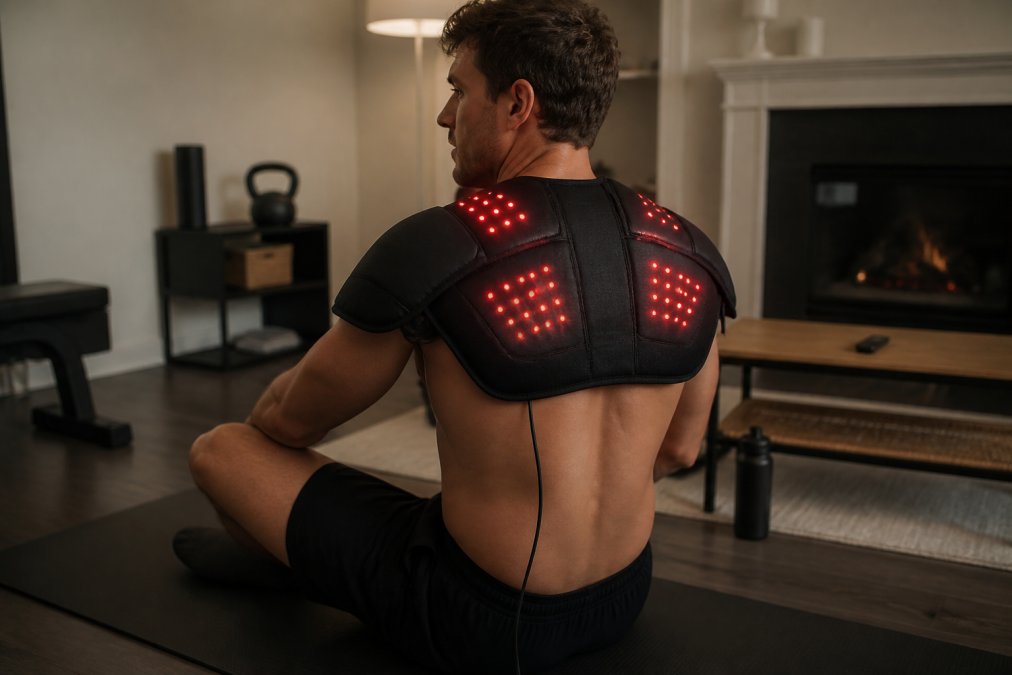
Safety considerations are minimal but worth noting. Red light therapy doesn't generate heat like saunas or infrared blankets, so you won't overheat. The light itself is non-ionizing and doesn't damage DNA. However, avoid direct eye exposure to the light source, even though red wavelengths are less harmful than shorter wavelengths. If you're sensitive to light or have light-triggered migraines, start with very short sessions and build tolerance gradually.
Near-Infrared vs. Red Light: Which Wavelength Works Best
The choice between red (660nm) and near-infrared (850nm) often confuses newcomers, but the answer depends on your inflammation location and depth. Red light is better for surface-level issues: joint inflammation close to the skin, superficial muscle soreness, and skin conditions with inflammatory components. It penetrates effectively to a depth of about 8-10 millimetres, making it ideal for knees, elbows, wrists, and shoulders where you can apply the device directly to the affected area.
Near-infrared light penetrates deeper, up to 30-40 millimetres, reaching muscle tissue, deeper tendons, and even bone. This makes it superior for chronic joint stiffness in large joints like hips and knees, deep muscle fatigue in the back and legs, and inflammation in tissues beneath layers of muscle. Athletes treating lower-back pain, hip flexor tightness, or deep quadriceps soreness benefit more from near-infrared.
The practical answer for most people is both. Dual-wavelength devices deliver red light for surface activation and near-infrared for depth, creating a comprehensive anti-inflammatory effect. The Red Light Therapy Pad from Thermo Plunge Recovery Systems combines both 660nm and 850nm specifically to cover inflammation at multiple tissue depths.
If you're choosing between devices and budget is a constraint, prioritise the wavelength matching your primary inflammation site. Surface inflammation? Choose 660nm. Deep tissue inflammation? Choose 850nm. But understand you're optimising for one use case, a dual-wavelength device removes that trade-off entirely.
Safety, Contraindications, and What to Avoid
Red light therapy is remarkably safe for most people, but contraindications exist. If you're taking photosensitising medications, certain antibiotics, NSAIDs, or medications for autoimmune conditions, consult your healthcare provider before starting. These medications can increase your skin's sensitivity to light, potentially causing unexpected reactions.
Thyroid conditions require caution. While red light therapy doesn't damage the thyroid, some practitioners recommend avoiding direct application over the thyroid gland itself. If you have hyperthyroidism or are managing thyroid medication, keep red light therapy away from your neck area and consult your doctor about safe application elsewhere.
Pregnancy is another consideration. While red light therapy appears safe during pregnancy based on available evidence, the research is limited. Many pregnant individuals avoid it out of caution, and that's a reasonable choice. If you're pregnant or planning to be, discuss red light therapy with your OB-GYN before starting.
Cancer history requires discussion with your oncologist. Some light wavelengths can stimulate cell growth, and while red light therapy isn't chemotherapy, the interaction with cancer cells isn't fully understood for all cancer types. Your doctor can advise based on your specific situation.
Eye safety is straightforward: don't stare directly into the light source. Red wavelengths are less damaging than blue or ultraviolet light, but direct eye exposure is still uncomfortable and unnecessary. Most devices include safety guidelines; follow them.
The biggest mistake people make isn't overuse, it's inconsistency. Red light therapy requires regular exposure over weeks to show meaningful results. One or two sessions won't reduce chronic inflammation. Commit to at least three weeks of consistent use before evaluating effectiveness.
Choosing the Right Device for Your Recovery Goals
Selecting a red light therapy device means evaluating wavelength, coverage area, intensity, durability, and your specific use case. A wearable pad designed for targeted joint treatment won't serve someone treating full-body inflammation, and a full-body panel designed for whole-body wellness isn't necessary if you're only addressing knee pain.
Coverage area matters. Small handheld devices cover 4-6 square inches and work for localised inflammation, a single joint or small muscle group. Medium wearable pads like the Red Light Therapy Pad from Thermo Plunge Recovery Systems cover 71 by 31 inches, treating multiple areas simultaneously or larger muscle groups. Full-body panels cover your entire back or front, ideal for athletes treating widespread inflammation or anyone seeking systemic benefits.
Intensity and wavelength are non-negotiable. Your device should specify both wavelengths (ideally 660nm and 850nm) and irradiance (measured in mW/cm²). Devices under 50 mW/cm² deliver weak light that penetrates poorly; devices over 200 mW/cm² risk overshooting the therapeutic window. Most effective home devices fall between 75-150 mW/cm².
Durability determines long-term value. Professional-grade devices are built for daily use and last years; cheaper devices often fail within months. Check warranty terms and read user reviews specifically about longevity. A device that breaks after a year isn't a bargain, regardless of initial price.
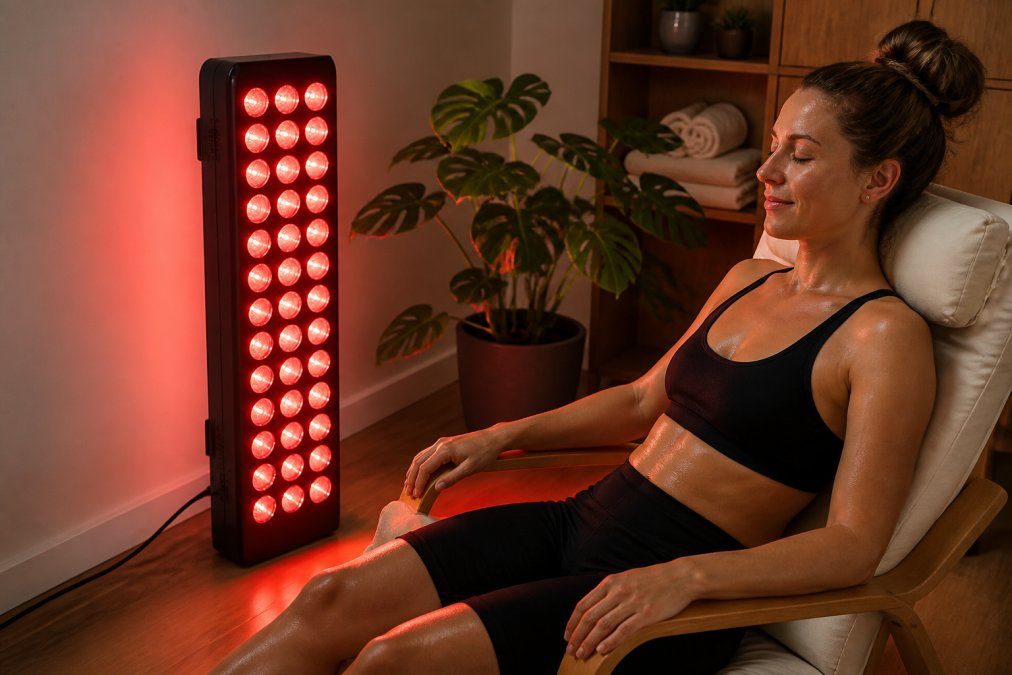
Consider your recovery environment. Do you have space for a stationary panel, or do you need portability? Will you use this device multiple times daily, or a few times weekly? Are you treating inflammation for a specific sport or general wellness? The answers guide your choice.
The Ultimate Recovery & Wellness Bundle from Thermo Plunge Recovery Systems pairs red light therapy with cold water immersion and a water chiller, addressing inflammation through complementary mechanisms. Cold therapy reduces acute inflammation immediately; red light therapy accelerates cellular repair over hours and days. Combined, they create a comprehensive recovery system that works synergistically.
| Device Type | Best For | Coverage | Wavelengths | Portability |
|---|---|---|---|---|
| Handheld devices | Targeted joint pain | 4-6 sq in | Single or dual | High |
| Wearable pads | Multiple areas, home use | 30-70 sq in | Dual (660nm, 850nm) | Medium |
| Full-body panels | Systemic inflammation, athletes | 100+ sq in | Dual wavelengths | Low |
| Combination systems | Complete recovery protocol | Variable | Dual + cold therapy | Low |
Start with your primary inflammation site and choose accordingly. If you treat multiple areas or have systemic inflammation, a larger coverage device saves time and delivers better results. If you're building a complete recovery system, combining red light therapy with cold water immersion through a bundle approach amplifies benefits.
Red light therapy for inflammation delivers measurable results when you understand wavelengths, dosage, and consistency. At Thermo Plunge Recovery Systems, we've designed our red light therapy tools specifically for athletes and wellness enthusiasts managing inflammation at home. The Red Light Therapy Pad delivers dual wavelengths (660nm and 850nm) across a large treatment area, and the Ultimate Recovery & Wellness Bundle combines red light therapy with cold water immersion for comprehensive recovery. Both come with our 30-day guarantee, free shipping, and 24/7 support, because your recovery shouldn't be complicated. Shop our red light therapy collection today and experience faster inflammation relief and smarter recovery.
Frequently Asked Questions
How long does red light therapy take to reduce inflammation?
Most users report noticeable improvements in inflammation and joint stiffness within 2-4 weeks of consistent use. However, cellular changes at the mitochondrial level begin immediately. The timeline depends on your treatment frequency, device intensity (irradiance), and the severity of inflammation. Daily 15-20 minute sessions typically show faster results than sporadic use. Some acute inflammation may improve within days, while chronic conditions benefit from sustained protocols over 8-12 weeks.
What is the best wavelength for reducing inflammation?
Red light (630-700 nanometres) and near-infrared light (700-1100 nanometres) both reduce inflammation effectively. Red light (around 660nm) penetrates superficial tissues and is excellent for skin and surface inflammation. Near-infrared (around 850nm) penetrates deeper into muscle, bone, and joint tissue, making it ideal for chronic pain and muscle soreness. Many clinical trials show that combining both wavelengths produces superior anti-inflammatory results by targeting cellular signalling at multiple tissue depths.
How often should you use red light therapy for inflammation?
Most clinical protocols recommend 3-5 sessions per week for optimal results, with each session lasting 15-20 minutes depending on your device's fluence (energy density). Daily use is safe for most people, but consistency matters more than frequency. A structured schedule, such as Monday, Wednesday, Friday, plus weekend sessions, allows your cells time to respond and adapt. If using a wearable pad at home, you can integrate it into your routine without additional time commitment, making daily or near-daily use practical.
Are there FDA-cleared red light therapy devices for inflammation and pain?
Yes, several red light therapy devices carry FDA clearance for pain management and tissue repair. Look for devices cleared under 510(k) pathways for pain relief, wound healing, or musculoskeletal conditions. When evaluating devices, verify the manufacturer's clinical evidence, wavelength specifications (660nm and 850nm are most researched), and irradiance output. Professional-grade devices designed for home use, like those combining red and near-infrared wavelengths with adjustable timers, offer the best balance of safety and efficacy for reducing inflammation.
This article was written using GrandRanker