

Cold Plunge vs Ice Bath for Recovery
Table of Contents
- Cold Plunge vs Ice Bath: Key Differences at a Glance
- Physiological Benefits: How Cold Water Immersion Works
- How Long to Cold Plunge for Recovery
- Professional Grade Ice Bath for Sale: What to Expect
- Best Practices for Cold Water Therapy
- Mental Health and Performance Benefits
- Which Option Is Right for You?
- Conclusion
Last Updated: August 17, 2026
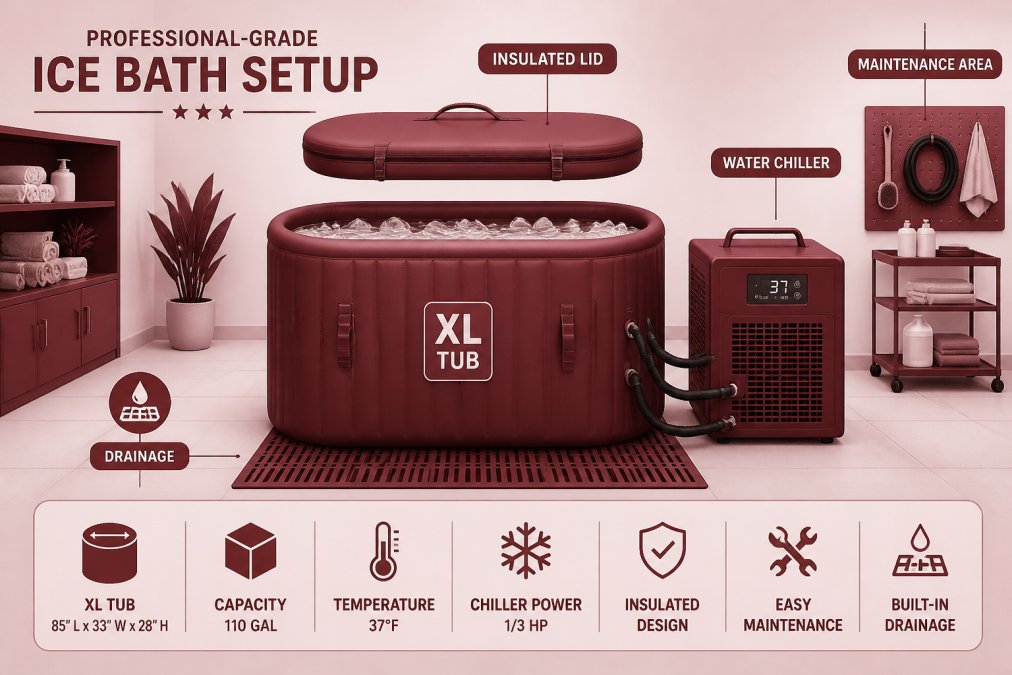
Cold Plunge vs Ice Bath: Key Differences at a Glance
A cold plunge typically refers to a dedicated, temperature-controlled immersion vessel with a chiller unit maintaining precise water temperatures. An ice bath is usually a tub filled with ice and cold water, relying on manual ice additions to stay cold. Both trigger similar physiological responses, but the experience, maintenance burden, and long-term usability diverge significantly.

At Thermo Plunge Recovery Systems, we empower athletes and wellness-focused individuals navigating this exact decision. The distinction shapes not just your recovery protocol, but your entire approach to consistency.
| Feature | Cold Plunge | Ice Bath |
|---|---|---|
| Temperature Control | Automated chiller maintains precise temps | Manual ice additions; temperature fluctuates |
| Setup Complexity | Higher initial investment; requires chiller unit | Lower upfront cost; simpler setup |
| Maintenance | Filter changes, chiller servicing | Constant ice restocking, water draining |
| Water Consistency | Stays cold throughout session | Warms as ice melts |
| Best For | Serious athletes, daily use | Occasional users, budget-conscious |
| Typical Investment | $1,000-$3,000+ | $120-$700 |
Physiological Benefits: How Cold Water Immersion Works
Cold water immersion triggers a cascade of physiological responses. The moment your body enters water below 59°F, vasoconstriction kicks in. Blood vessels narrow, reducing blood flow to the skin and extremities while redirecting it toward vital organs. This survival mechanism is precisely why cold exposure produces measurable recovery benefits.
The parasympathetic nervous system activation that follows helps shift your body from a sympathetic (fight-or-flight) state into a calmer, recovery-focused state. This nervous system reset reduces inflammation markers, improves circulation once you exit the water, and enhances parasympathetic tone that supports better sleep and stress resilience.
Research from the American College of Sports Medicine documents that regular cold water immersion reduces delayed onset muscle soreness (DOMS) and accelerates tissue repair when applied strategically after intense training.
Muscle Soreness and Recovery Time
Cold water immersion reduces muscle soreness through immediate inflammation suppression and accelerated waste product clearance. When you emerge from cold water, the rewarming phase triggers enhanced blood flow, flushing metabolic byproducts (lactate, calcium ions) that contribute to soreness while delivering oxygen and nutrients for tissue repair.
Most athletes report noticeable soreness reduction within 24-48 hours of cold immersion. The effect compounds with consistency. A single session provides acute relief; regular use (3-4 times weekly) produces measurable improvements in recovery capacity and training frequency tolerance.
Sessions lasting 2-3 minutes produce the soreness-reduction benefit without triggering excessive stress hormone elevation. Longer sessions (5+ minutes) can elevate cortisol if your nervous system interprets the cold as a genuine threat.
Inflammation Management and Circulation
Cold immersion's anti-inflammatory effect operates through systemic mechanisms. Whole-body cold exposure triggers the release of norepinephrine, a hormone that suppresses pro-inflammatory cytokines like TNF-alpha and IL-6. This systemic response extends benefits beyond trained muscles to support overall recovery capacity and immune function.
The circulation benefit emerges in the rewarming phase. After exiting cold water, your body initiates vasodilation to restore core temperature. This reactive hyperemia phase creates a powerful circulatory flush, with fresh, oxygen-rich blood surging to muscles, joints, and tissues that were previously vasoconstricted. Contrast therapy (alternating cold and hot water) produces stronger circulatory benefits than single-modality immersion alone.
Athletes with chronic inflammation or joint issues often find cold plunging more effective than ice baths because temperature consistency allows deeper tissue cooling and more predictable vascular responses.
How Long to Cold Plunge for Recovery
The ideal duration depends on your training intensity, adaptation level, and recovery goals. Longer isn't better, and pushing beyond your threshold can trigger excessive stress responses that undermine recovery.
Temperature and Duration Guidelines
For most athletes, the therapeutic window is 2-3 minutes at water temperatures between 50-59°F. This duration triggers sufficient vasoconstriction and parasympathetic activation without excessive cortisol elevation.
Beginners should start conservatively: 60-90 seconds at 59-64°F. Your nervous system needs time to adapt to cold stress. Build tolerance gradually, adding 15-30 seconds weekly until you reach 2-3 minutes. The key signal is control. If you're gasping, panicking, or unable to regulate breathing, you've exceeded your threshold.
Temperature matters as much as duration. Water at 39-50°F produces stronger anti-inflammatory responses but requires serious adaptation. Water at 50-59°F balances recovery benefits with accessibility for most users. Above 64°F, the stimulus becomes too mild to trigger meaningful physiological adaptation.
Contrast Therapy vs Single-Modality Immersion
Contrast therapy, alternating between cold and hot water, amplifies circulatory benefits compared to cold immersion alone. A typical protocol: 2-3 minutes cold (50-59°F), 1-2 minutes hot (104-109°F), repeat 3-5 times. The final immersion should be cold to leave your body in a parasympathetic state.
Contrast therapy is particularly effective for joint recovery and chronic inflammation because the repeated vascular stimulus produces stronger anti-inflammatory effects than cold alone. However, it requires more setup complexity and time commitment. Single-modality cold immersion is simpler and produces solid results for most athletes.
Professional Grade Ice Bath for Sale: What to Expect
Professional-grade systems are engineered for durability under repeated use. They feature heavy-duty insulation, corrosion-resistant materials, precision chiller units, and filtration systems designed to handle daily immersion cycles. Consumer ice baths often lack these features, which is why they degrade quickly under consistent use.
Equipment Investment and Durability
An ice bath tub like the Thermo Plunge Upgrade XL Ice Bath Tub costs $648.95: 160-gallon capacity, chiller-compatible, insulated thermal lid, and inflatable design for portability.
A chiller unit adds significant cost. The Thermo Plunge Water Chiller costs $999.95 and delivers temperature control down to 39°F, providing the precision needed for consistent protocols.

Professional systems are built to last with proper maintenance, while budget ice baths often fail within 1-2 years. The material quality, insulation thickness, and chiller reliability determine longevity.
Maintenance and Filtration Requirements
Manual ice baths require constant ice restocking, water draining, and cleaning. Professional cold plunge systems with chillers require different maintenance: filter changes (typically monthly or bi-monthly) and chiller servicing (annual inspection). The workload is lower and more predictable.
Filtration quality matters for health and longevity. Dust, body oils, and bacteria accumulate in stagnant cold water. Professional systems include sediment filters and circulation pumps that keep water clean between sessions. Budget ice baths lack filtration, which means murky water and higher infection risk.
The CDC guidelines on water safety and immersion recommend maintaining proper filtration and chemical balance for any repeated-use water system. Professional-grade equipment includes the infrastructure to meet these standards.
Best Practices for Cold Water Therapy
Effective cold therapy isn't just about jumping into cold water, it's about timing, preparation, and listening to your body's signals.
Safety Precautions and Contraindications
Cold water immersion is generally safe for healthy individuals, but certain populations should avoid it or modify their approach. People with cardiovascular disease, uncontrolled hypertension, or a history of heart arrhythmias should consult a physician before cold immersion. Pregnancy is a contraindication, as is active infection or fever.
Raynaud's syndrome (excessive vasoconstriction in response to cold) is a relative contraindication. If you have Raynaud's, start with very mild cold (64-68°F) and work with a healthcare provider.
Breathing control is essential. Never hyperventilate before cold immersion, as it destabilises your CO2 levels and increases drowning risk. Enter cold water calmly, breathe slowly and deliberately, and exit immediately if you feel disoriented or panicked.
Active Recovery vs Passive Cold Therapy
Passive cold immersion (sitting still in cold water) maximises the anti-inflammatory response and allows deep nervous system relaxation. This is ideal post-workout when you want to suppress inflammation and activate parasympathetic recovery.
Active recovery, moving gently before or after cold immersion, enhances circulatory benefits and can reduce the perceived discomfort of cold exposure. Some athletes perform light stretching or mobility work immediately before cold plunging to prime the nervous system.
Combining both approaches, passive immersion for acute inflammation suppression and active recovery for circulatory enhancement, produces optimal results.
Mental Health and Performance Benefits
Cold water immersion produces measurable psychological benefits beyond muscle recovery. Regular cold exposure increases dopamine production, a neurotransmitter linked to motivation, focus, and mood stability. The effect persists for hours after immersion.
The parasympathetic activation from cold immersion also improves sleep quality. Athletes using cold therapy 4-6 hours before bed often report deeper sleep and faster sleep onset. Psychologically, cold immersion builds confidence and stress tolerance, creating a sense of control and capability that transfers to other stressful situations.
For individuals managing anxiety or depression, cold immersion can complement professional treatment through dopamine boost and parasympathetic activation, though it should never replace evidence-based mental health care.
Which Option Is Right for You?
The choice between a cold plunge vs ice bath recovery approach depends on your training intensity, budget, space, and commitment level.
Choose a professional cold plunge system if you're training intensely (4+ days weekly), want consistent temperature control, and value minimal maintenance burden. The Ultimate Recovery & Wellness Bundle from Thermo Plunge combines the XL ice bath tub, 1/3 HP water chiller, and red light therapy, a comprehensive system for serious athletes.
Choose a manual ice bath if you're new to cold therapy, train 2-3 days weekly, have budget constraints, or want to test cold immersion before investing heavily. The Thermo Plunge Portable Ice Bath Tub provides a low-cost entry point with durable multi-layered construction.
Space matters. If you live in a small apartment, a foldable portable tub like the Thermo Plunge Portable Bathtub stores compactly and collapses when not in use.
The real decision hinges on consistency. Whichever option you choose, you'll only benefit from cold therapy if you actually use it. A cheaper ice bath you skip because maintenance is tedious delivers zero results. A premium cold plunge system you commit to using 3-4 times weekly compounds benefits over months and years.
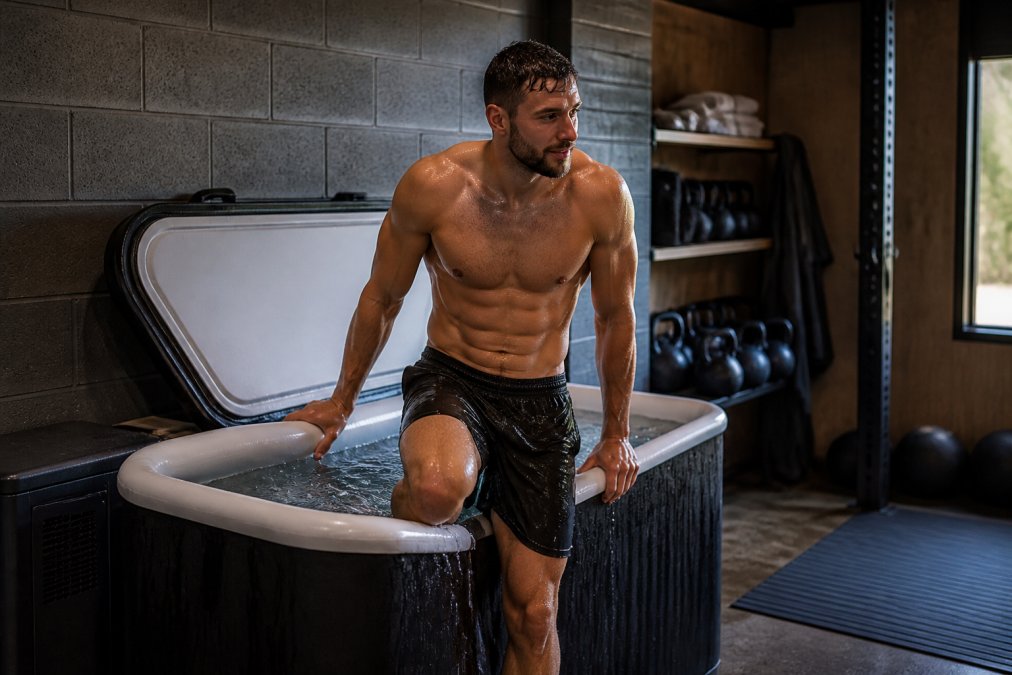
The gap between a cold plunge vs ice bath recovery decision is really about sustainability and results. Manual ice baths work, but they demand constant attention and produce inconsistent temperatures that undermine long-term adaptation. Professional cold plunge systems deliver precision, durability, and the consistency that serious athletes need to maximise recovery benefits. At Thermo Plunge Recovery Systems, we've built equipment designed for daily use by athletes who refuse to compromise on recovery. Our systems include free shipping, a 30-day guarantee, and 24/7 support, because investing in your recovery should be hassle-free. Shop our collection and recover smarter.
Frequently Asked Questions
Is a cold plunge better than an ice bath for recovery?
Cold plunges and ice baths deliver similar physiological benefits, both reduce delayed onset muscle soreness, lower systemic inflammation, and improve circulation. The key difference lies in control: cold plunges with water chillers maintain precise temperatures consistently, whereas ice baths require manual ice replenishment. For athletes prioritising recovery protocol consistency, cold plunges offer superior temperature stability. Ice baths work well for occasional use or lower budgets. Neither is objectively 'better', your choice depends on frequency, space, and budget.
How long should you stay in a cold plunge for optimal recovery?
Research suggests 3-5 minutes at 50-59°F is optimal for most athletes seeking muscle recovery and inflammation reduction. Beginners should start with 2-3 minutes at slightly warmer temperatures (59-68°F) to build tolerance. Sessions longer than 10 minutes risk unnecessary stress on the cardiovascular system without additional recovery benefits. Individualised protocols based on training intensity yield better results than one-size-fits-all durations. Always prioritise safety over duration when establishing your recovery routine.
What maintenance is required for professional grade ice bath equipment?
Professional-grade systems with water chillers require regular filter changes (typically monthly), water quality monitoring, and seasonal cleaning. Systems like Thermo Plunge's 1/3 HP Water Chiller include built-in filtration and timers to simplify upkeep. Basic ice baths need ice replenishment and occasional water changes but no mechanical maintenance. Chiller-equipped setups demand more attention but deliver consistent performance for daily or high-frequency use. Budget 30-60 minutes monthly for maintenance to ensure durability and hygiene.
Can cold water therapy work for non-athletes focused on sleep and stress relief?
Yes. Cold water immersion triggers parasympathetic nervous system activation post-session, reducing cortisol levels and improving sleep quality. Health-conscious individuals report better stress relief and relaxation after 2-3 sessions weekly. The benefits extend beyond muscle recovery: improved vascular health, enhanced endorphin response, and thermal regulation support overall wellness. You don't need athletic training to benefit, consistency and proper technique matter more than fitness level. Start with shorter durations and warmer temperatures to assess tolerance.
This article was written using GrandRanker