

The Ideal Cold Plunge Temperature: A 2026 Guide
Table of Contents
- What Is the Ideal Cold Plunge Temperature?
- Cold Plunge Duration for Beginners: Matching Time to Temperature
- Cold Plunge Safety Precautions You Should Never Skip
- Individualized Temperature Calibration: Finding Your Number
- Seasonal Water Temperature Management for Home Plunges
- Cold Plunge vs. Ice Bath: What's the Difference?
- Using Objective Recovery Metrics to Adjust Your Temperature
- Choosing Equipment That Holds the Right Temperature
- Frequently Asked Questions
Last Updated: September 17, 2026
What Is the Ideal Cold Plunge Temperature?
The ideal cold plunge temperature is 50-59°F for most beginners. This range delivers the benefits of cold water immersion without pushing your body past its limits too fast.
At Thermo Plunge Recovery Systems, we help athletes and wellness enthusiasts build home recovery setups that hold steady temperatures. Getting the number right matters more than most people think.
Cold water triggers real changes in your body. Your blood vessels tighten. Your heart rate shifts. Your nervous system wakes up. But the temperature you choose decides how strong those changes are.
Why 50-59°F Is the Standard Starting Range
That range works because it's cold enough to spark recovery benefits but warm enough to stay safe.
Here's what happens at each range:
- 50-59°F: Safe starting zone for most healthy adults
- 45-50°F: Intermediate range for regular plungers
- 39-45°F: Advanced range for trained athletes
- Below 39°F: High risk, short sessions only
How Temperature Affects Recovery Outcomes
Temperature drives three key responses:
- Vasoconstriction reduces blood flow to sore muscles
- Inflammation reduction speeds tissue repair
- Dopamine release lifts mood and focus
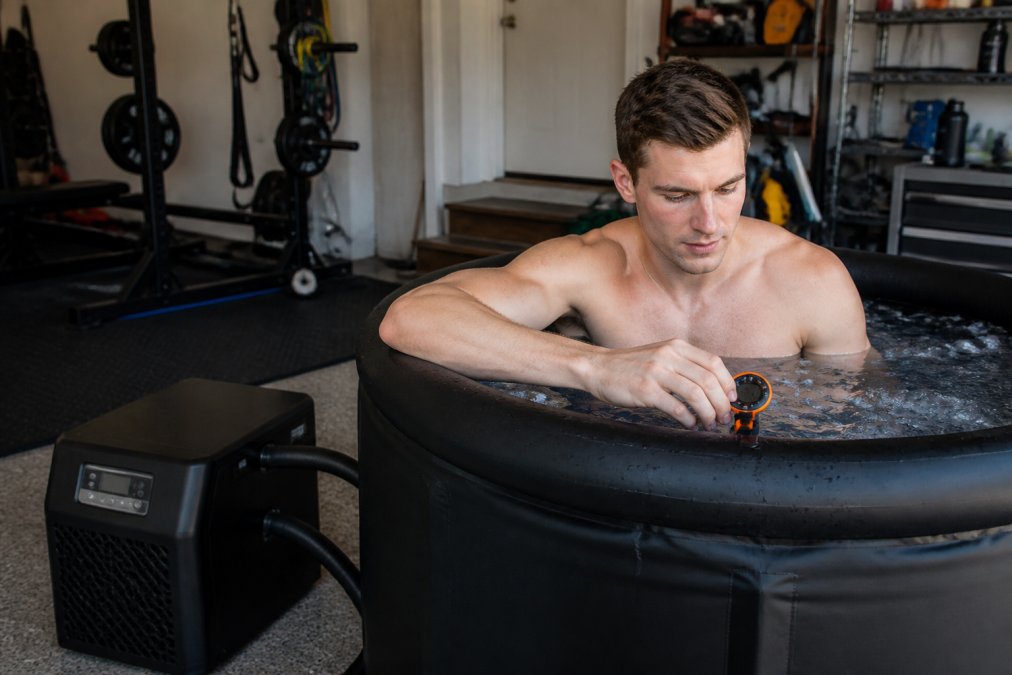
Cold Plunge Duration for Beginners: Matching Time to Temperature
Cold plunge duration for beginners should start at 30-60 seconds and build slowly. Time and temperature work together. Colder water means less time.
| Water Temperature | Beginner Duration | Experienced Duration |
|---|---|---|
| 55-59°F | 2-3 minutes | 5-10 minutes |
| 50-54°F | 1-2 minutes | 3-6 minutes |
| 45-49°F | 30-60 seconds | 2-4 minutes |
| 39-44°F | 15-30 seconds | 1-3 minutes |
Cold Plunge Safety Precautions You Should Never Skip
Cold plunge safety precautions protect you from the real risks of cold water immersion. Never plunge alone. Always know your exit plan.
Follow these rules every session:
- Never plunge alone, especially as a beginner
- Enter slowly, never dive in
- Keep your head above water
- Stop if you feel numb, dizzy, or confused
- Skip the plunge if you have heart conditions without doctor approval
- Avoid alcohol before and after
Recognizing Cold Shock and Hypothermia Risk
Cold shock hits in the first 30 seconds. You gasp. Your heart races. Your breathing goes shallow. This is your sympathetic nervous system firing.
Hypothermia builds slowly. Watch for:
- Uncontrollable shivering
- Slurred speech
- Loss of coordination
- Numbness in fingers and toes
Individualized Temperature Calibration: Finding Your Number
Your ideal temperature is not someone else's number. Two people can plunge at 52°F and have completely different experiences because body composition, cold acclimatization, and cardiovascular fitness all change how fast core temperature moves.
Why Body Composition Changes Your Starting Point
Subcutaneous fat acts as insulation. A person with a higher body-fat percentage loses core heat more slowly in cold water, which means they can often tolerate a colder plunge sooner. A leaner person with less insulating fat will feel the same cold at a warmer set point.
Using Resting Heart Rate as a Cold-Tolerance Signal
Resting heart rate gives you a second calibration input. A lower resting heart rate generally reflects better cardiovascular efficiency and a more responsive parasympathetic system, which often means faster recovery between cold exposures.
- Resting heart rate under 60 bpm: you can usually progress temperature faster, dropping 2°F per week instead of 1°F
- Resting heart rate 60-75 bpm: use the standard 1°F-per-week progression
- Resting heart rate above 75 bpm: hold each temperature for two weeks before dropping, and prioritize duration over intensity
A Four-Week Calibration Protocol
- Week 1: Set your starting temperature using the body-fat and heart-rate inputs above. Plunge for 2 minutes, three times.
- Week 2: Hold the same temperature but add 30 seconds if week 1 felt manageable. Do not drop temperature yet.
- Week 3: Drop 1-2°F and return to your week-1 duration. This is the adaptation week.
- Week 4: Hold the new temperature and rebuild duration toward 2-3 minutes.
Stop dropping when a session feels genuinely unsafe, not merely uncomfortable. The difference is control: discomfort you can breathe through is adaptation; shivering you cannot stop, numbness in fingers, or a racing heart that will not settle is your signal to warm the water back up.
Seasonal Water Temperature Management for Home Plunges
Outdoor plunge temperatures swing with the seasons. Summer water can climb past 70°F, which removes most of the cold benefit. Winter water in northern states can drop below freezing and turn a tub into a solid block. Managing that swing is the difference between a year-round practice and a three-season hobby.
What Each Season Does to Your Tub
- Summer: tap water and sun exposure can push an uncovered tub to 75-85°F within a day. At that point you are taking a cool bath, not a cold plunge.
- Fall: ambient temperatures do most of the work. Many home plungers can hit 50-59°F with no active cooling at all.
- Winter: water can fall into the 30s°F and freeze at the surface. Ice formation damages liners and pumps, and the water becomes dangerously cold for beginners.
- Spring: the widest swings. A 70°F afternoon can follow a 40°F night, so temperature can move 10°F or more in a single day.
Passive Cooling Tactics Before You Buy a Chiller
A chiller is the most reliable answer, but it is not the only one. These lower-cost methods work in mild climates:
- Freeze water bottles or jugs and rotate them in the tub. Two to four frozen gallon jugs can drop a 100-gallon tub by roughly 5-10°F over a few hours.
- Plunge at dawn. Overnight ambient cooling is free, and water is typically at its coldest before sunrise.
- Shade and insulate. A reflective cover and an insulated tub shell slow heat gain during the day.
- Increase surface exposure carefully. A wider tub loses heat faster overnight but also warms faster in sun, so pair it with a cover.
- Partial water changes. Replacing a portion of sun-warmed water with cold tap water is a quick reset in summer.
Adjusting Your Target Temperature by Season
Your ideal temperature does not have to stay fixed all year. A common pattern is to run slightly warmer in winter and slightly colder in summer, which keeps the perceived challenge roughly constant:
- Summer: target 50-54°F, since warm air makes the same water feel less shocking
- Fall and spring: target 52-57°F
- Winter: target 55-59°F, and shorten sessions if the water drops below 50°F
When a Chiller Becomes Necessary
A chiller earns its place when you need a set temperature regardless of weather. It holds your plunge steady year-round, filters the water so you are not changing it every few days, and removes the daily guesswork of ice and ambient temperature.
Cold Plunge vs. Ice Bath: What's the Difference?
A cold plunge uses a chiller to hold a steady temperature. An ice bath relies on added ice, which melts and warms over time.

The distinction matters for recovery:
- Cold plunge: Consistent temperature, filterable, reusable
- Ice bath: Temperature drifts, needs constant ice, harder to control
Using Objective Recovery Metrics to Adjust Your Temperature
Track how you feel and perform, not just the thermometer. Objective metrics tell you if your temperature is working.
Measure these after each session:
- Sleep quality (hours and restfulness)
- Soreness levels (1-10 scale)
- Heart rate variability if you track it
- Mood and energy the next morning
Choosing Equipment That Holds the Right Temperature
Holding a steady temperature is the hardest part of home cold plunging. Cheap setups drift. Good equipment doesn't.
Frequently Asked Questions
What is the ideal cold plunge temperature for beginners?
Beginners should start between 50°F and 59°F. This range triggers the cold shock response without overwhelming your thermoregulatory system. Start with 2-3 minutes at the warmer end, then gradually lower the temperature as your cold tolerance improves. A water chiller that cools to 39°F gives you room to progress safely over months.
How long should you stay in a cold plunge based on temperature?
Duration and temperature work together. At 50-59°F, beginners can stay 2-5 minutes. At 45-50°F, aim for 2-3 minutes. Below 45°F, cap sessions at 1-2 minutes until acclimatized. The colder the water, the shorter the safe window. Always exit before shivering becomes uncontrollable, and never push past 10 minutes regardless of temperature.
Does the temperature of a cold plunge affect recovery results?
Yes. Colder water can help with post-exercise recovery. Warmer cold plunge temperatures can be beneficial for stress relief and sleep support. Match the temperature to your goal: colder for muscle soreness, warmer for stress relief and sleep support.
What cold plunge safety precautions should I follow?
Never plunge alone. Keep sessions under 10 minutes. Enter slowly to manage thermal shock. Watch for numbness, dizziness, or uncontrollable shivering, and exit immediately if they occur. Avoid alcohol before plunging. If you have cardiovascular strain or a heart condition, get medical clearance first. Monitor water temperature with a reliable chiller or thermometer before every session.
Finding your ideal cold plunge temperature takes patience. Start at 50-59°F, track how your body responds, and adjust slowly. The right equipment makes consistency possible. Thermo Plunge Recovery Systems offers professional-grade chillers, tubs, and recovery bundles with free shipping, a 30-day guarantee, and 24/7 support. Get started with Thermo Plunge Recovery Systems and recover smarter at home.