

Infrared Sauna for Cortisol: A Science-Backed Guide
Table of Contents
- How Infrared Heat Affects Cortisol and the Stress Response
- Infrared Sauna Session Duration and Frequency for Cortisol Management
- How to Lower Cortisol Levels Naturally: Infrared Sauna as Part of a Complete Strategy
- Infrared Wavelengths and Their Role in Stress Recovery
- Circulation, Serotonin, and the Neuroendocrine Response
- Common Mistakes and Safety Considerations
- Integrating Infrared Sauna into Your Recovery Routine
- Frequently Asked Questions
Last Updated: October 2, 2026
How Infrared Heat Affects Cortisol and the Stress Response
Infrared sauna cortisol management works by triggering a controlled stress response that teaches your body to handle stress better. The gentle heat activates your sympathetic nervous system temporarily, signalling your body to release cortisol in a controlled, manageable way, quite different from the chronic elevation caused by psychological stress or poor sleep.
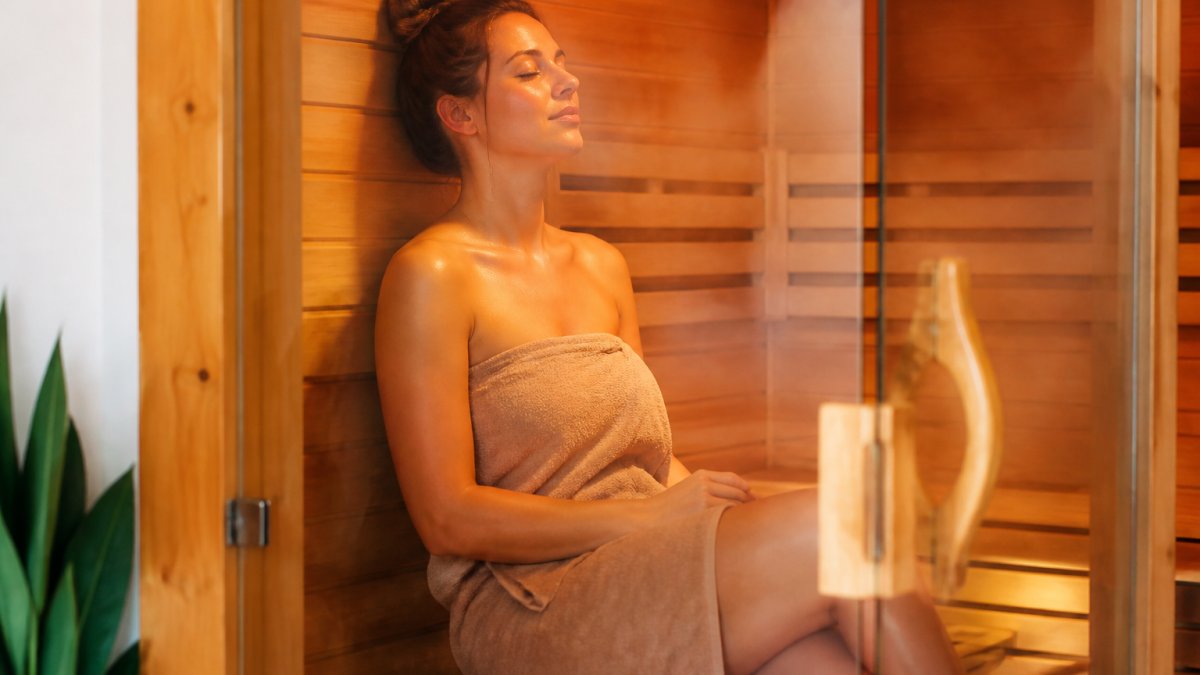
The Cortisol Connection: Acute vs. Chronic Stress
Your body produces cortisol in response to stress, normal and necessary. The problem emerges when cortisol remains elevated for hours or days.
Chronic stress keeps cortisol elevated continuously, disrupting sleep and immune function. Infrared heat creates a controlled acute stress your body learns to manage efficiently, improving your autonomic nervous system's ability to toggle between sympathetic activation and parasympathetic recovery.
Hormetic Stress and Heat Shock Proteins
Hormetic stress is mild, manageable stress that triggers adaptive responses. When your core temperature rises moderately, your cells activate heat shock proteins, molecular chaperones that repair damaged proteins and protect against oxidative stress.
Heat shock proteins reduce inflammation, stabilise your neuroendocrine response, and improve cortisol regulation. Infrared wavelengths penetrate deeper than traditional saunas, allowing adaptation at lower temperatures.
Infrared Sauna Session Duration and Frequency for Cortisol Management
Optimal Session Length and Temperature Guidelines
The ideal infrared sauna session for cortisol management runs 20-40 minutes at 48-60°C. This duration allows parasympathetic activation post-session, when cortisol suppression occurs. Sessions under 15 minutes may not trigger sufficient heat shock protein production; those exceeding 45 minutes risk thermal fatigue without additional benefit.
Lower temperatures (48-54°C) suit beginners or those with elevated baseline cortisol; experienced users tolerate 57-60°C. Your session should feel challenging but manageable, never overwhelming.
Individualised Protocols Based on Baseline Stress Levels
Generic "3-4 sessions per week" advice ignores that your starting point matters enormously. Your protocol should match your baseline.
High-Baseline Stress Protocol (resting cortisol elevated, poor sleep, chronic anxiety):
- Week 1-2: Two sessions per week, 20 minutes at 48°C. Your nervous system is already in sympathetic overdrive; gentle, frequent exposure prevents additional acute stress.
- Week 3-4: Increase to three sessions per week, 20-25 minutes at 50-52°C. Monitor sleep quality; if it worsens, drop back to two sessions.
- Week 5+: Progress to 25-30 minutes at 52-54°C, three times weekly, only if sleep and mood improve.
Moderate-Baseline Stress Protocol (occasional elevated cortisol, generally good sleep, manageable anxiety):
- Week 1-2: Three sessions per week, 25 minutes at 52-54°C. This is the "sweet spot" for most people with normal stress levels.
- Week 3+: Maintain three sessions weekly, or progress to four if recovery feels strong. Temperatures can reach 54-57°C without risk.
Low-Baseline Stress Protocol (well-regulated cortisol, excellent sleep, minimal anxiety):
- Weeks 1+: Four sessions per week, 30-40 minutes at 57-60°C. Your nervous system has robust recovery capacity; you can tolerate higher thermal stress and longer duration.
- Optional: Incorporate contrast therapy (heat followed by cold) 1-2 times weekly to amplify autonomic training.
Space sessions at least one day apart; daily use can elevate resting cortisol if your body never fully recovers.
Measuring Your Baseline and Adjusting Protocol
Before starting, track stress markers for two weeks: sleep duration, subjective stress rating (1-10 scale), energy levels, and resting heart rate. Elevated resting heart rate (above 65 bpm), poor sleep, and morning anxiety signal high baseline cortisol; start conservatively.
After four weeks, reassess. Improved sleep, lower stress ratings, and reduced resting heart rate confirm your protocol is working. If sleep worsens or anxiety increases, reduce frequency or duration.
Infrared Sauna – 2-Person Premium Home Spa →
Weekly Protocols for Sustained Stress Reduction
A sustainable three-session-per-week routine: Monday 25 min at 52-54°C, Wednesday 30 min at 54-56°C, Friday 25 min at 52-54°C. Spacing sessions one day apart allows parasympathetic consolidation. Three moderate sessions beat one marathon session.
How to Lower Cortisol Levels Naturally: Infrared Sauna as Part of a Complete Strategy
Infrared sauna is powerful, but it's not a standalone solution. Cortisol regulation depends on sleep quality, movement patterns, and nutrition working together.
Combining Heat Therapy with Sleep, Movement, and Nutrition
Schedule sessions 4-6 hours before bed. The post-session drop in core temperature and parasympathetic activation prepares your body for sleep without disrupting circadian rhythm.
Pair sessions with low-intensity movement on recovery days. A 20-minute walk or gentle yoga post-sauna extends parasympathetic activation.
Prioritise consistent meal timing, adequate protein, and omega-3 fatty acids. Magnesium-rich foods support parasympathetic tone. Avoid excessive caffeine and alcohol.
Infrared Wavelengths and Their Role in Stress Recovery
Near, Far, and Full-Spectrum Infrared: Mechanisms and Cortisol Impact
Infrared light exists across three wavelength bands with distinct physiological effects. Understanding which spectrum drives cortisol suppression is critical because not all infrared saunas deliver equal neuroendocrine benefit.

Near-Infrared (700-1,100 nanometres): Penetrates shallow tissue and stimulates mitochondrial ATP production. It excels at post-exercise recovery and wound healing but produces minimal core temperature rise.
Far-Infrared (3,000-1,000,000 nanometres): Penetrates deep tissue and generates sustained core temperature elevation (1-2°C), triggering parasympathetic response and heat shock protein cascade.
Full-Spectrum Infrared: Combines near and far wavelengths, delivering cellular repair and systemic hormetic stress.
The Hormetic Dose-Response: Why More Heat Isn't Better
Infrared sauna's cortisol benefit follows a hormetic dose-response curve: mild stress triggers adaptation, but excessive stress triggers exhaustion and elevated baseline cortisol.
Optimal cortisol suppression occurs at moderate core temperature elevation (1-2°C) sustained 20-40 minutes.
A 30-minute far-infrared session at 54°C produces superior cortisol benefits compared to a 60-minute session at 65°C. Your body adapts to manageable stress, not extreme stress.
Wavelength Selection for Your Cortisol Protocol
For infrared sauna cortisol management: choose far-infrared or full-spectrum, not near-infrared alone. Verify core temperature rise of 1-2°C within 20-30 minutes. Prioritise consistent, moderate sessions over occasional intense ones. A 25-minute full-spectrum session at 52°C three times weekly outperforms a 60-minute session at 65°C once per week.
Circulation, Serotonin, and the Neuroendocrine Response
Vasodilation and Parasympathetic Activation
Infrared heat triggers vasodilation, widening blood vessels and improving circulation. This delivers oxygen and nutrients while clearing metabolic waste, directly supporting parasympathetic activation where cortisol naturally declines.
Infrared Sauna – 2-Person Premium Home Spa →
Heat activates your sympathetic nervous system initially. Within minutes, as your body recognises the heat is manageable, your parasympathetic nervous system engages. By session's end, parasympathetic tone dominates and cortisol drops. This toggle trains your autonomic nervous system to respond flexibly to stress.
Impact on Neurotransmitters and Emotional Resilience
Heat exposure increases serotonin production, reducing anxiety and supporting emotional stability. It also modulates dopamine, enhancing motivation. These neurotransmitter shifts explain improved mood and reduced anxiety in regular sauna users.
The impact on the hypothalamic-pituitary-adrenal axis, your body's central cortisol control system, is equally significant. Repeated heat exposure recalibrates this axis toward lower baseline cortisol and faster recovery to normal levels after stress.
Common Mistakes and Safety Considerations
Overuse, Dehydration, and Individual Baselines
The most common mistake is treating infrared sauna like a "more is better" tool.
Dehydration undermines cortisol regulation. Infrared saunas cause significant fluid loss through perspiration. Enter each session well-hydrated and drink water immediately after.
Individual baseline stress matters profoundly. Someone with chronically elevated cortisol may need to start with gentler protocols, 20 minutes at 120°F, twice weekly, before progressing.
Integrating Infrared Sauna into Your Recovery Routine
Pairing with Cold Therapy, Red Light, and Sleep Optimisation
Contrast therapy, alternating heat and cold, amplifies parasympathetic activation beyond either modality alone. A typical protocol: 20 minutes in an infrared sauna, followed by 2-3 minutes of cold exposure (ice bath or cold shower), repeated once.
Red light therapy complements infrared sauna by reducing inflammation at the cellular level. The Red Light Therapy Pad from Thermo Plunge Recovery Systems uses dual wavelengths (660nm and 850nm) to penetrate deep tissue, accelerating recovery and supporting the anti-inflammatory effect of heat exposure. Use it on areas of chronic tension or soreness 3-4 times per week, ideally on non-sauna days or after your session.

Sleep optimisation is non-negotiable. A single poor night of sleep elevates cortisol for the entire next day, erasing the benefit of your sauna session.
| Recovery Modality | Frequency | Best Timing | Primary Cortisol Effect |
|---|---|---|---|
| Infrared Sauna | 3-4 times weekly | 4-6 hours before bed | Parasympathetic activation |
| Cold Therapy | 2-3 times weekly | Post-sauna or post-exercise | Autonomic nervous system training |
| Red Light Therapy | 3-4 times weekly | Post-sauna or separate session | Inflammation reduction |
| Sleep | Nightly | Consistent schedule | Cortisol baseline regulation |
Infrared sauna for cortisol level management works because it trains your nervous system to handle stress more intelligently.
Frequently Asked Questions
How long does it take to see changes in cortisol levels after using an infrared sauna?
Most users report feeling calmer and more relaxed immediately after a session, as parasympathetic activation begins during heat exposure. The timeline depends on your baseline stress levels, sleep quality, and overall lifestyle.
What infrared sauna session duration is best for lowering cortisol?
Sessions of 20-30 minutes at 140-160°F deliver optimal cortisol-reducing benefits without triggering excessive acute stress on the body. Beginners should start at 15-20 minutes and gradually extend duration as heat tolerance improves. Longer sessions (40+ minutes) don't necessarily yield better results and may increase cortisol if the body perceives prolonged heat as a threat. Consistency matters more than duration: three 20-minute sessions per week outperforms sporadic 45-minute sessions.
Can infrared saunas help with chronic stress and anxiety?
Yes. Infrared heat activates the parasympathetic nervous system, reduces stress-induced inflammation, and increases serotonin production, all mechanisms that counteract chronic anxiety. Regular sauna use supports autonomic nervous system balance, helping your body shift from sympathetic (fight-or-flight) to parasympathetic (rest-and-digest) dominance. This is especially effective when combined with other stress-management practices like sleep optimisation, exercise, and mindfulness. Results are most pronounced in individuals with elevated baseline cortisol.
How does infrared sauna heat differ from traditional sauna for stress relief?
Infrared heat penetrates tissue more deeply than traditional dry sauna heat, activating heat shock proteins and improving circulation more efficiently. This deeper penetration supports faster parasympathetic activation and greater reductions in cortisol without the intense, dry-heat discomfort of conventional saunas. Infrared saunas also operate at lower temperatures (typically 120-160°F vs. 160-200°F for traditional saunas), making longer, more relaxing sessions easier to tolerate, a key advantage for stress management and consistent use.