

Infrared Sauna Benefits 2026: A Complete Guide
Table of Contents
- How Infrared Saunas Work
- Key Health Benefits of Infrared Saunas
- Infrared Sauna vs Traditional Sauna: What's the Difference
- Infrared Sauna Session Duration and Best Practices for Use
- Infrared Sauna for Stress Relief and Mental Health
- EMF Safety and Technical Considerations
- Getting Started: What to Know Before You Buy
- Conclusion
Last Updated: August 21, 2026
How Infrared Saunas Work
Infrared saunas emit electromagnetic radiation in the infrared spectrum that penetrates directly into your skin and underlying tissues, creating therapeutic temperature increases without the intense ambient heat of conventional saunas. Rather than heating the air around you, this radiant heat technology delivers deep tissue penetration at lower temperatures.
The technology uses specially designed heating panels that emit far-infrared, near-infrared, or full-spectrum wavelengths. Far-infrared wavelengths penetrate deepest into muscle tissue and joints, while near-infrared wavelengths work more superficially on skin. The radiant heat triggers vasodilation, widening blood vessels to increase circulation and oxygen delivery throughout your body.
Your body absorbs infrared radiation directly, so you experience therapeutic effects at lower ambient temperatures (typically 120-150°F) compared to traditional saunas (160-200°F) (peer-reviewed research). This enables longer, more comfortable sessions without overwhelming heat stress. Full-spectrum systems combine all three wavelength ranges for comprehensive benefits, while single-spectrum options target specific therapeutic goals.
EMF (electromagnetic field) and ELF (extremely low frequency) radiation are legitimate considerations when choosing equipment. Quality infrared saunas are engineered with low-EMF technology to minimise non-ionising radiation exposure. Check for third-party EMF testing documentation, which indicates the manufacturer prioritises safety alongside therapeutic benefits.
Key Health Benefits of Infrared Saunas
The therapeutic applications of infrared sauna benefits extend across multiple physiological systems, addressing muscle recovery, cardiovascular function, sleep quality, and stress management through specific mechanisms of action.
Muscle Recovery and Pain Relief
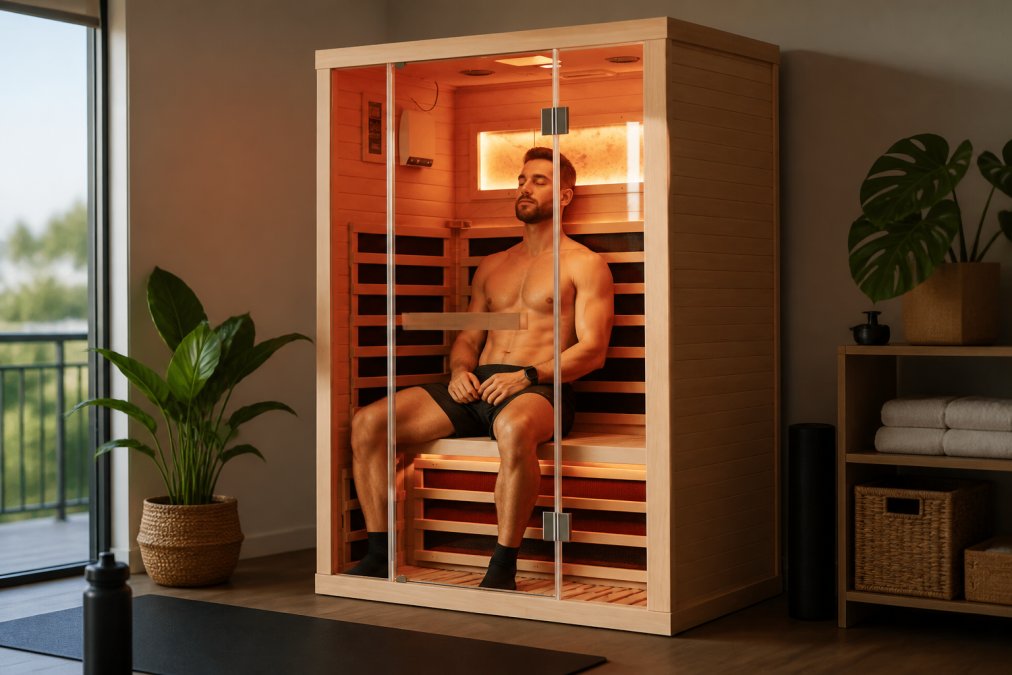
Infrared sauna sessions accelerate muscle recovery by increasing blood flow to damaged or fatigued muscle tissue. The radiant heat stimulates heat shock proteins, cellular stress-response molecules that repair muscle damage and reduce inflammation. Increased circulation delivers oxygen and nutrients to affected areas while removing metabolic waste products that accumulate during intense training.
Sessions typically lasting 20-30 minutes produce measurable reductions in muscle soreness within 24-48 hours of exercise (peer-reviewed research). For chronic pain conditions like arthritis or fibromyalgia, consistent use over several weeks often produces cumulative benefits as inflammation markers decrease. Starting at 120°F and gradually increasing to 140-150°F allows your body to adapt without thermal stress. Post-session protocols, including proper hydration and gentle movement, significantly enhance recovery benefits.
Cardiovascular Health and Blood Pressure
Infrared sauna use triggers cardiovascular adaptations that improve heart health markers. The radiant heat causes vasodilation, which temporarily lowers blood pressure and increases cardiac output. Over time, regular sessions train your cardiovascular system to handle thermal stress more efficiently, similar to cardiovascular conditioning from exercise.
Research demonstrates that consistent sauna bathing correlates with improved heart rate variability and reduced cardiovascular mortality risk (peer-reviewed research). The mechanism involves autonomic nervous system regulation: infrared heat activates parasympathetic pathways that promote relaxation and recovery. Sessions lasting 25-35 minutes at 130-140°F produce the most consistent cardiovascular benefits without excessive strain. Individuals with existing heart conditions should consult healthcare providers before beginning regular use, and proper hydration protocols become critical for cardiovascular safety.
Sleep Quality Improvement
Infrared saunas improve sleep through core body temperature regulation and stress hormone reduction. The post-sauna cooling phase, when your body temperature drops after exiting the heat, triggers the same physiological cascade that naturally precedes sleep. Sessions completed 2-3 hours before bedtime align with your circadian rhythm's natural temperature decline.
Cortisol reduction represents another critical mechanism. Regular infrared sauna use activates the parasympathetic nervous system, signalling your body that stress hormones can normalise. Many users report falling asleep faster and experiencing deeper sleep within 1-2 weeks of consistent use. Optimal sleep-focused protocols use moderate temperatures (125-135°F) for 20-25 minutes, completed at least three hours before sleep.
Infrared Sauna vs Traditional Sauna: What's the Difference
The fundamental distinction lies in heat delivery mechanism. Traditional saunas heat the air around you to 160-200°F, requiring your body to gradually absorb ambient heat. Infrared saunas emit radiant heat that penetrates directly into tissues at lower ambient temperatures (120-150°F).
Traditional sauna sessions typically last 15-20 minutes because the intense ambient heat becomes uncomfortable beyond that timeframe. Infrared saunas allow longer sessions (25-40 minutes) at lower temperatures, which many users find more tolerable. Cardiovascular stress differs between the two approaches: traditional saunas elevate heart rate more dramatically due to ambient heat load, while infrared saunas produce similar health benefits at lower cardiovascular demand, making them safer for individuals with existing heart conditions.
Detoxification claims require careful interpretation. Both systems increase sweat response, which eliminates some metabolic waste through skin. However, the liver and kidneys handle primary detoxification pathways; sweat contains minimal toxins compared to urine. The metabolic benefits of regular sauna use relate more to improved circulation and stress reduction than direct toxin elimination.
Cost and installation represent practical differences. Traditional saunas typically cost $3,000-$8,000 for quality home units and require professional installation. Infrared sauna blankets from Thermo Plunge Recovery Systems provide portable alternatives starting at $226.95, while full-cabin infrared saunas range from $2,000-$5,000. The 2-Person Premium Home Spa from Thermo Plunge Recovery Systems costs $3,999.95 and delivers professional-grade infrared therapy without requiring permanent structural modifications.

Infrared Sauna Session Duration and Best Practices for Use
Optimal session length balances therapeutic benefits against physiological stress. Most research supports 20-40 minute sessions for general wellness, with adjustments based on experience level and specific goals.
Optimal Session Length and Frequency
Beginners should start with 15-20 minute sessions at 110-120°F to allow cardiovascular adaptation. After 2-3 weeks of consistent use, gradually increase duration to 25-30 minutes and temperature to 130-140°F.
Experienced users typically benefit from 30-40 minute sessions at 140-150°F, 3-4 times weekly. This frequency allows adequate recovery between sessions while maintaining consistent physiological adaptation. Session timing affects outcomes significantly: morning sessions promote alertness and metabolic activation, while evening sessions (completed 3+ hours before sleep) support sleep quality. Pre-workout sessions increase blood flow and joint mobility, while post-workout sessions within 2 hours of exercise accelerate muscle recovery.
Pre- and Post-Session Protocols
Hydration protocols establish the foundation for safe, effective sessions. Drink 16-20 ounces of water 1-2 hours before entering the sauna. During sessions longer than 25 minutes, sip water if available. Post-session, drink an additional 16-24 ounces within 30 minutes to replace fluid loss.
Pre-session preparation includes light stretching or mobility work to increase body temperature gradually. Avoid heavy meals 2-3 hours before sessions. Remove jewellery and metal accessories that conduct heat unpredictably. Shower beforehand to remove surface oils and dirt.
Post-session recovery protocols maximise benefits. Allow 10-15 minutes of passive cooling before showering. A cool (not cold) shower helps regulate core temperature and closes pores. Avoid ice baths immediately after infrared sessions. Light movement like walking or gentle stretching within 30 minutes supports circulation recovery. Eat a balanced meal containing protein and carbohydrates within 60 minutes to support muscle repair.
For cabin-style saunas like Thermo Plunge Recovery Systems' 2-Person Premium Home Spa, wipe interior surfaces with a damp cloth after each session to remove sweat and mineral deposits. Inspect wood surfaces quarterly and apply appropriate sealant annually to prevent moisture damage.

Infrared Sauna for Stress Relief and Mental Health
Infrared heat activates parasympathetic dominance, the physiological state associated with relaxation, recovery, and emotional regulation. This shift from sympathetic (fight-or-flight) activation reduces cortisol and adrenaline levels, creating measurable improvements in anxiety and mood.
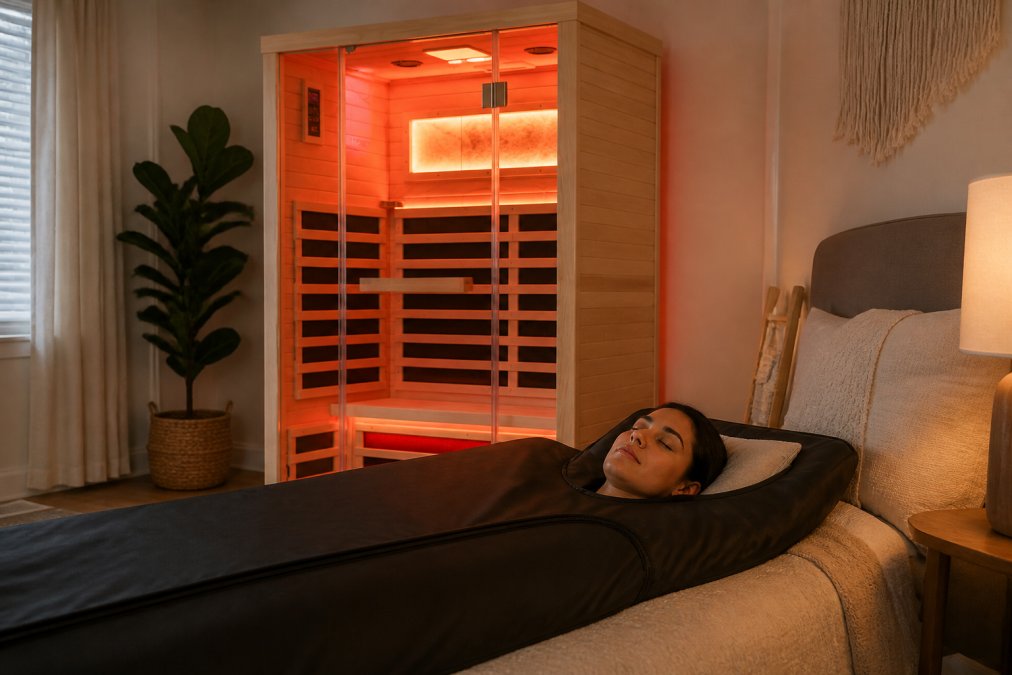
Regular sessions produce cumulative mental health benefits. Weekly infrared sauna use correlates with reduced anxiety symptoms, improved mood stability, and better emotional resilience in response to daily stressors. Many users report that 20-30 minute sessions produce noticeable mood elevation lasting 4-6 hours post-session.
Integration with broader mental health practices amplifies benefits. Combining infrared sauna sessions with meditation, breathwork, or journaling creates synergistic stress-reduction effects. The quiet, warm environment naturally supports mindfulness practices. For individuals managing depression or anxiety, infrared saunas complement (but do not replace) professional mental health treatment and medication protocols.
Moderate temperatures (125-135°F) for 25-30 minutes produce optimal parasympathetic activation without overwhelming sensory input. Consistent weekly use produces more stable mental health benefits than sporadic intense sessions.
EMF Safety and Technical Considerations
EMF (electromagnetic field) exposure from infrared saunas requires informed evaluation rather than blanket avoidance. Quality infrared systems are engineered with shielding and design protocols that minimise non-ionising radiation exposure to levels well below established safety guidelines.
Low-EMF technology represents the current standard for premium infrared saunas. Manufacturers achieve this through shielded wiring, grounded circuits, and strategic component placement. Request third-party EMF testing documentation; legitimate manufacturers provide independent lab results showing EMF levels at typical user distances.
Far-infrared wavelengths (8-14 micrometres) penetrate deepest and carry minimal EMF risk at properly designed distances. Near-infrared wavelengths (0.7-1.4 micrometres) work more superficially but may produce higher local EMF exposure if poorly shielded. Full-spectrum systems require excellent engineering to maintain safety across the entire spectrum.
Contraindications apply to specific populations. Individuals with pacemakers, implanted defibrillators, or metal implants should consult healthcare providers before use. Pregnancy requires medical clearance, particularly during the first trimester. Acute infections, fever, or uncontrolled hypertension represent temporary contraindications.
Maintenance protocols support both safety and longevity. Inspect electrical connections quarterly for corrosion or damage. Ensure proper grounding throughout the system. For portable units like Thermo Plunge Recovery Systems' infrared sauna blanket, check cords and connections before each use.
Getting Started: What to Know Before You Buy
Selecting an infrared sauna system requires evaluating space constraints, budget, and specific wellness goals. Home options range from portable sauna blankets to full-cabin installations.
Portable infrared sauna blankets provide the most flexible entry point for home users. The Infrared Sauna Blanket from Thermo Plunge Recovery Systems ($226.95) delivers full-body infrared therapy in a compact format that stores easily between sessions. Multi-stage heating from 104°F to 176°F with adjustable timers (20-60 minutes) accommodates different experience levels and goals.
For users prioritising longer sessions and family use, full-cabin infrared saunas offer superior comfort and capacity. The 2-Person Premium Home Spa from Thermo Plunge Recovery Systems ($3,999.95) features low-EMF Hemlock wood construction, tourmaline foot warmers, and 7-colour light therapy integration. This professional-grade system supports 30-40 minute sessions and includes features like salt crystal bricks for enhanced mineral benefits.
Red light therapy pads complement infrared sauna sessions for targeted recovery. The Red Light Therapy Pad from Thermo Plunge Recovery Systems ($799.95) uses dual wavelengths (660nm and 850nm) for deep tissue penetration and addresses specific problem areas.

The Thermo Plunge Recovery Systems 30-day guarantee eliminates purchase risk. Free shipping and 24/7 support ensure hassle-free setup and ongoing assistance.
Setup and integration into your wellness routine matter as much as equipment selection. Begin with 2-3 sessions weekly at moderate temperatures and durations. Track subjective outcomes over 4-6 weeks to establish whether infrared sauna use delivers personal benefits. Most users report noticeable improvements within this timeframe.
Environmental factors influence outcomes. Room temperature affects how quickly your body reaches therapeutic temperatures. Lighting and sound environment support stress reduction benefits; many users enhance their sessions with dim lighting, quiet music, or complete silence.
Infrared sauna benefits extend far beyond temporary relaxation. When integrated into consistent wellness protocols, regular sessions address muscle recovery, cardiovascular health, sleep quality, and stress management through measurable physiological mechanisms. At Thermo Plunge Recovery Systems, we've engineered professional-grade infrared systems specifically designed for athletes and wellness enthusiasts seeking reliable, durable recovery tools. Our low-EMF technology, adjustable protocols, and comprehensive support ensure safe, effective use tailored to your specific goals. Start your infrared sauna journey with Thermo Plunge Recovery Systems and recover smarter.
Frequently Asked Questions
What are the primary health benefits of using an infrared sauna?
Infrared saunas deliver targeted radiant heat that penetrates deep tissue, promoting muscle recovery, reducing inflammation, and improving circulation. Users report enhanced sleep quality, lower cortisol levels, and improved cardiovascular function. The deep tissue penetration also supports detoxification pathways through sweat response, while heat shock proteins activated during sessions contribute to cellular repair and resilience.
How long should a typical infrared sauna session last for optimal results?
Beginners should start with 15-20 minute sessions at lower temperatures (around 120°F) to allow their body to acclimate. As tolerance builds, sessions can extend to 30-40 minutes at therapeutic temperatures between 140°F and 160°F. Most wellness protocols recommend 3-4 sessions per week for consistent benefits. Avoid exceeding 45 minutes in a single session, as this increases dehydration risk without additional benefit.
How does an infrared sauna differ from a traditional steam sauna?
Traditional saunas heat the air around you to 160-200°F, warming your body indirectly. Infrared saunas use radiant heat technology with near-infrared and far-infrared wavelengths that penetrate skin and tissue directly, operating at lower ambient temperatures (120-160°F) while delivering deeper therapeutic effects. This makes infrared saunas more comfortable for longer sessions, more energy-efficient, and better suited for those sensitive to extreme heat.
What should beginners know before purchasing a home infrared sauna?
Start by assessing your space, infrared sauna blankets offer portability for small apartments, while cabin models require dedicated floor space. Verify EMF and ELF radiation levels are minimised in your chosen unit. Plan for hydration protocols during and after use, and understand maintenance requirements including regular cleaning and filter care. Most quality units include warranties and guarantees; confirm return policies align with your comfort level before investing.
Are there any risks or downsides to daily infrared sauna use?
Daily use is generally safe for most people when hydration is maintained and session duration is moderate. However, individuals with cardiovascular conditions, pregnancy, or heat sensitivity should consult a healthcare provider first. Overuse without adequate hydration can lead to dehydration and electrolyte imbalance. Some users experience temporary dizziness or fatigue if they exceed recommended session lengths or temperatures too quickly.
Can infrared saunas assist with muscle recovery and stress management?
Yes. Infrared saunas promote vasodilation, widening blood vessels to improve circulatory health, which accelerates nutrient delivery to muscles and removes metabolic waste. This directly supports musculoskeletal recovery after intense training. Simultaneously, the heat activates the parasympathetic nervous system, lowering cortisol levels and reducing stress. Athletes and wellness enthusiasts integrate sauna sessions into recovery routines alongside cold therapy for optimal results.
This article was written using GrandRanker