

Infrared Sauna for Home Wellness: 2026 Buyer's Guide
Table of Contents
- Infrared Sauna for Home Wellness: What You Need to Know
- Infrared Sauna Health Benefits: Beyond Relaxation
- Does Sauna Burn Calories? The Metabolic Effect
- How Long to Stay in an Infrared Sauna: A Session Guide
- Choosing Your Setup: Full-Size Sauna vs. Sauna Blanket
- Our Top Pick: The 2-Person Premium Home Spa
- What to Check Before You Buy: Safety and Installation
- Conclusion: Making Infrared Therapy Part of Your Routine
- Frequently Asked Questions
Last Updated: September 4, 2026
Infrared Sauna for Home Wellness: What You Need to Know
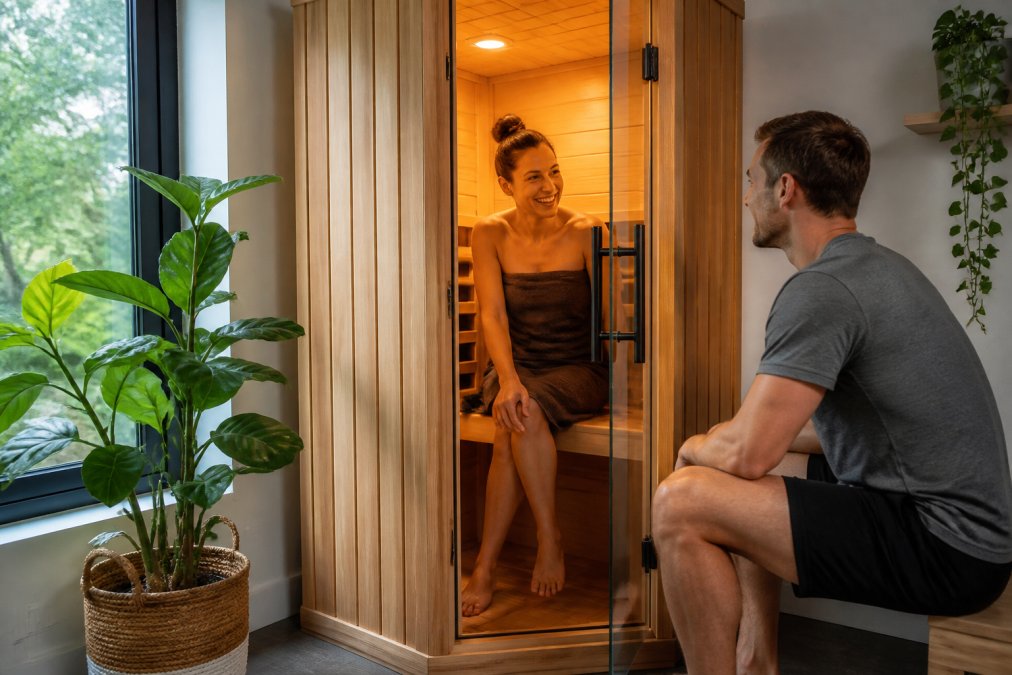
An infrared sauna for home wellness is a personal heat therapy unit that uses infrared radiation to warm your body directly rather than heating the surrounding air. Infrared saunas consistently rank among effective tools for relaxation and muscle recovery you can install at home. Unlike traditional saunas that push ambient temperature to extreme levels, infrared saunas operate at a lower air temperature while delivering deep tissue heat that penetrates more effectively.
Most buyers fall into one of two camps: those wanting a permanent wellness sanctuary and those needing a flexible, portable option. Both approaches deliver genuine therapeutic value, but the right choice depends on your space, budget, and recovery goals. Below, we'll break down the health benefits, session guidelines, and the key differences between full-size units and portable blankets, so you can choose with confidence.
Infrared Sauna Health Benefits: Beyond Relaxation
Infrared sauna health benefits extend far beyond the pleasant warmth you feel during a session. Regular use supports cardiovascular health by raising your heart rate similarly to moderate exercise, which encourages better circulation improvement and may help regulate blood pressure over time. Many users also report meaningful stress relief, as the deep heat promotes nervous system regulation and helps lower cortisol levels, leaving you calmer after each session.
Muscle recovery is where infrared therapy truly shines for athletes and active individuals. The deep tissue heat increases blood flow to sore muscles, which can accelerate recovery and ease joint stiffness. Some practitioners also note improvements in skin rejuvenation and melatonin production with consistent use, supporting better sleep quality. For a deeper look at the science behind thermal therapy, the National Institutes of Health research library on infrared therapy applications offers a solid starting point.
Does Sauna Burn Calories? The Metabolic Effect
Yes, does sauna burn calories is a fair question, and the answer is encouraging. An infrared sauna session raises your core temperature, prompting your heart to work harder and increasing metabolic rate similar to light aerobic activity. While it should never replace structured exercise, regular sessions can complement your training routine and support weight management goals.
The metabolic effect depends heavily on session duration and heat intensity. Longer sessions at higher temperatures demand more cardiovascular work, which nudges calorie expenditure upward. However, the primary value for most users remains recovery and stress reduction rather than calorie counting. Think of infrared therapy as a tool that supports your overall wellness system, not a substitute for the work you do in the gym.
How Long to Stay in an Infrared Sauna: A Session Guide
How long to stay in an infrared sauna depends on your experience level and heat tolerance. Beginners should start with 15 to 20 minute sessions at lower temperatures, allowing the body to adapt gradually. Regular users often extend sessions to 30 or 40 minutes as their comfort and heat tolerance improve.
| Experience Level | Recommended Duration | Frequency | Notes |
|---|---|---|---|
| Beginner | 15-20 minutes | 2-3 times weekly | Low heat, stay hydrated |
| Intermediate | 20-30 minutes | 3-4 times weekly | Moderate heat, listen to your body |
| Advanced | 30-45 minutes | Daily if desired | Higher heat, monitor fluid intake |
Pay close attention to how you feel during each session. Dizziness, excessive discomfort, or overheating are signals to end the session early. Always keep water nearby and avoid alcohol before use. Consistency matters more than pushing duration, so build a routine that feels sustainable.
Choosing Your Setup: Full-Size Sauna vs. Sauna Blanket
The decision between a full-size sauna and a portable blanket isn’t just about space, it’s about your long-term wellness goals, budget, and how you plan to use the therapy. Let’s break down the key differences to help you make an informed choice.

Full-Size Saunas: The Immersive Experience
Pros:
- Deeper heat penetration: Full-size saunas typically use more powerful heaters, delivering consistent infrared radiation across your entire body.
- Ergonomic seating: You can sit or lie down comfortably, allowing for longer, more relaxing sessions.
- Social or couple use: Many models accommodate two people, making it a shared wellness activity.
- Additional features: Built-in chromotherapy lighting, audio systems, and foot warmers enhance the experience.
Cons:
- Space and installation: Requires a dedicated area, often 1.2 m × 1.2 m (4 ft × 4 ft) or larger. You’ll need to consider flooring, ventilation, and electrical setup.
- Higher upfront cost: Quality full-size saunas range from $2,000 to $6,000 or more, depending on features and materials.
- Energy consumption: While infrared saunas are more efficient than traditional ones, they still draw significant power, typically 1,200-1,500 watts. Expect a modest increase in your monthly electricity bill if used daily.
Sauna Blankets: Flexibility and Affordability
Pros:
- Portability: Lightweight and foldable, perfect for apartments, travel, or moving.
- Lower cost: Prices range from $200 to $500, making them accessible for most budgets.
- Quick heat-up: Blankets often reach operating temperature in under 10 minutes, saving time and energy.
- Easy storage: When not in use, they roll up and fit in a closet.
Cons:
- Limited coverage: You’re typically lying down, and the heat may not penetrate as deeply as a full-size sauna.
- Comfort issues: Some users find the material less breathable, leading to excessive sweating and discomfort.
- Durability: Blankets may have a shorter lifespan than wooden cabins, especially with frequent use.
Material Matters: Cedar vs. Hemlock
If you choose a full-size sauna, the wood type is a critical factor in durability and maintenance:
- Cedar: Naturally resistant to moisture, decay, and insects. It has a pleasant aroma and is a premium choice, but it’s more expensive.
- Hemlock: A hardwood that is also moisture-resistant and durable, but it lacks the natural aroma of cedar. It’s often more affordable, making it a popular choice for budget-conscious buyers.
Both woods are suitable, but cedar offers better long-term resistance to warping and cracking in humid environments.
Energy Consumption and Utility Costs
A common oversight is the ongoing cost of running your sauna. Here’s a rough estimate:
- Full-size sauna: A 1,500-watt unit used for 30 minutes per session, 4 times a week, consumes about 3 kWh per week. At the average US electricity rate of $0.17 per kWh, that’s roughly $0.51 per week, or $26.50 per year.
- Sauna blanket: A 600-watt blanket used for the same duration consumes about 1.2 kWh per week, costing about $0.20 per week, or $10.60 per year.
These figures are approximate and vary based on your local utility rates and usage patterns. But they show that the operational cost is relatively low compared to the purchase price.
Making the Right Choice
Consider your lifestyle:
- Choose a full-size sauna if: You have the space, want a dedicated wellness area, plan to use it regularly for years, and value the immersive experience.
- Choose a sauna blanket if: You’re short on space, travel frequently, or want to try infrared therapy before committing to a larger investment.
Remember, the best sauna is the one you’ll actually use. Think about your daily routine and how each option fits into it. Both can deliver significant wellness benefits, but they serve different needs.
Our Top Pick: The 2-Person Premium Home Spa
For most households, the Infrared Sauna - 2-Person Premium Home Spa is the best infrared sauna for home wellness we have tested. This unit combines low-EMF 110V Hemlock wood construction with tourmaline foot warmers, 7-color chromotherapy lighting, and therapeutic salt crystal bricks to create a genuinely comprehensive spa experience. Priced at $3,999.95, it delivers professional-grade features that justify the investment for serious wellness enthusiasts.

What sets this sauna apart is the attention to therapeutic detail. The tourmaline foot warmers target the feet specifically, while chromotherapy supports mood and energy balance. Hemlock wood resists moisture and heat well, ensuring the cabin holds up to daily use. The two-person capacity makes it practical for couples or for athletes who want extra space to stretch during sessions.
What to Check Before You Buy: Safety and Installation
Before you commit to an infrared sauna, a little upfront planning prevents costly surprises. Here’s a pre-installation checklist that goes beyond the basics, covering flooring, ventilation, and electrical requirements, so you can enjoy your sauna safely and efficiently.
Flooring and Placement
- Floor load: Most home saunas weigh between 150 and 300 kg (330-660 lb) when empty. Ensure your floor can support this, especially if you’re placing it on a second storey. A structural engineer can assess if you’re unsure.
- Surface protection: Always place the sauna on a hard, level surface. If you must put it on carpet, use a protective mat or plywood base to prevent heat damage and ensure stability.
- Clearance: Leave at least 5-10 cm (2-4 in) of space around the unit for air circulation and maintenance access. Avoid placing it directly against walls or furniture.
Ventilation and Airflow
Infrared saunas operate at lower ambient temperatures than traditional saunas, but they still need adequate ventilation. Ensure the room has an open window or an exhaust fan to manage humidity and heat. Avoid using the sauna in a tightly sealed room, as this can lead to overheating and discomfort.
Electrical Requirements
Most residential infrared saunas, including the 110V model we recommend, plug into a standard 15-amp grounded outlet. However, you should verify:
- Dedicated circuit: Ideally, the sauna should be on its own circuit to avoid tripping breakers when other appliances are in use. If you’re unsure, consult a licensed electrician.
- GFCI protection: For safety, especially if the sauna is near water sources, install a ground-fault circuit interrupter (GFCI) outlet.
- Extension cords: Never use an extension cord with your sauna. It can overheat and create a fire hazard. Plug directly into a wall outlet.
EMF and Safety Standards
Electromagnetic fields (EMF) are a common concern. Look for saunas with low-EMF certification, and prefer carbon heaters over ceramic ones, as carbon technology typically emits lower EMF. Check for safety certifications from recognized testing laboratories, such as UL or ETL, which indicate the unit meets North American safety standards.
Medical Contraindications and Safety Warnings
While infrared saunas are safe for most people, certain individuals should avoid them or consult a healthcare provider first:
- Pregnant women: Elevated core body temperature can pose risks to the foetus. Always consult your obstetrician before use.
- Cardiovascular conditions: If you have heart disease, high or low blood pressure, or a history of stroke, seek medical advice. The heat can stress the cardiovascular system.
- Medications: Some medications, such as beta-blockers or diuretics, can impair your body’s ability to regulate temperature. Check with your pharmacist.
- Chronic conditions: Individuals with multiple sclerosis, lupus, or other autoimmune diseases may be sensitive to heat. Discuss with your specialist.
- Children: Saunas are not recommended for young children, as they are more susceptible to overheating.
Final Safety Tips
- Stay hydrated: Drink water before and after your session. Avoid alcohol and heavy meals beforehand.
- Listen to your body: If you feel dizzy, nauseous, or overly fatigued, end the session immediately.
- Supervision: Never leave a sauna running unattended, and keep children and pets away.
By following this checklist, you’ll ensure a safe and enjoyable infrared sauna experience that lasts for years. If you have any doubts about installation or your health, always consult professionals, your safety comes first.
Conclusion: Making Infrared Therapy Part of Your Routine
Building a consistent infrared sauna habit requires choosing equipment that fits your lifestyle and committing to a realistic schedule. Start with shorter sessions, stay hydrated, and track how your body responds over several weeks. Whether you select the premium 2-person cabin or begin with a portable blanket option from Thermo Plunge Recovery Systems, the key is regular, mindful use. Our collection includes the portable Infrared Sauna Blanket at $226.95 and the waterproof Electric Sauna Blanket at $461.95 for flexible home use, all backed by free shipping, a 30-day guarantee, and 24/7 support. For those targeting specific muscle groups, the Red Light Therapy Pad at $799.95 offers complementary deep tissue relief. Get started with Thermo Plunge Recovery Systems and make smarter recovery part of your daily routine.

Frequently Asked Questions
Is an infrared sauna for home wellness actually good for you?
Yes. Infrared saunas use infrared radiation to heat your body directly rather than warming the air around you. This allows for deeper tissue heat and promotes a more vigorous sweat at lower ambient temperatures. Research suggests regular use can support muscle recovery, improve circulation, and aid in stress relief. For many, the convenience of having one at home makes it easier to maintain a consistent routine, which is key to seeing long-term wellness benefits.
How long should a typical infrared sauna session last?
For most people, a session of 20 to 45 minutes is ideal. If you are new to infrared therapy, start with 15 to 20 minutes at a lower temperature to let your body adapt. You can gradually increase your time as your heat tolerance builds. Always listen to your body and stay hydrated. Using the timer function on your sauna or blanket helps you track your session safely and avoid overdoing it.
Does sauna use burn calories?
Using a sauna can burn calories, though the exact number varies. The heat raises your heart rate and metabolic rate, similar to moderate exercise. Sauna use is best viewed as a complement to, not a replacement for, regular physical activity.
What are the main differences between a full-size sauna and a sauna blanket?
A full-size infrared sauna, like a 2-person model, offers an immersive experience. It allows you to sit upright, provides even heat distribution, and often includes features like chromotherapy lighting. A sauna blanket is a portable, low-cost alternative that you lie inside. It is easier to store and fits small spaces, but it may not offer the same level of comfort or the social aspect of a traditional sauna. Your choice depends on your space and budget.
Are there any safety precautions to consider before using an infrared sauna?
Yes. If you are pregnant, have heart disease, or are taking medication that affects your body's temperature regulation, consult your doctor first. Dehydration is a risk, so drink water before and after your session. Limit your time, especially at first, to avoid overheating. Also, check that your unit is low-EMF to minimize exposure to electromagnetic fields. Always follow the manufacturer's instructions for safe operation and electrical requirements.
This article was written using GrandRanker