

Infrared Sauna vs Steam Room for Relaxation
Table of Contents
- How Infrared Saunas and Steam Rooms Work
- Dry Heat vs Moist Heat: Key Differences
- Relaxation and Stress Reduction Outcomes
- How Long to Stay in an Infrared Sauna
- How Long to Stay in a Steam Room
- Sauna Safety Tips and Contraindications
- Choosing Your Relaxation Tool: At-Home Options
- Frequently Asked Questions
Last Updated: October 10, 2026
How Infrared Saunas and Steam Rooms Work
Understanding how each delivers heat is key to choosing between an infrared sauna steam room and other wellness options. An infrared sauna uses infrared light to penetrate your skin and tissues directly, while a steam room fills the air with hot water vapour. This distinction shapes how your body responds and how long you can comfortably stay inside.

Infrared Light Penetration and Heat Delivery
Infrared light emits electromagnetic radiation that your body absorbs directly, penetrating skin and reaching deeper tissues. This is why infrared saunas feel gentler than steam rooms, even though the relaxation benefits can be equally profound.
Because air temperature in an infrared sauna stays lower than in a steam room (typically 120-150°F), many people find the experience less intense and more sustainable for longer sessions.
Water Vapour and Moist Heat in Steam Rooms
A steam generator heats water to boiling, creating high-humidity air filled with water vapour that warms your respiratory tract and condenses on your skin, creating intense heat and moisture.
At 100 percent humidity, moist heat feels more immediately intense than infrared. Your body works harder to regulate temperature when it can't efficiently evaporate sweat from your skin.
Dry Heat vs Moist Heat: Key Differences
The choice between dry heat and moist heat shapes your entire relaxation experience. These aren't just different temperatures, they're different ways your body processes warmth and stress.
Temperature and Humidity Levels
An infrared sauna maintains dry heat with humidity below 30 percent and air temperature of 120-150°F. Efficient sweat evaporation makes the experience comfortable for extended periods.
A steam room operates at near 100 percent humidity with air temperatures of 110-130°F. High water vapour prevents effective sweat evaporation, creating a thick, saturated feeling that changes thermoregulation.
| Factor | Infrared Sauna | Steam Room |
|---|---|---|
| Heat Type | Dry, direct infrared light | Moist water vapour |
| Air Temperature | 120-150°F | 110-130°F |
| Humidity Level | Below 30% | Near 100% |
| Heat Penetration | Deep tissue (infrared light) | Surface and respiratory |
| Sweat Evaporation | Efficient | Minimal |
| Session Intensity | Gentler, more sustained | More immediately intense |
How Your Body Responds
In an infrared sauna, infrared light stimulates circulation as tissues absorb heat directly. Heart rate increases gradually, allowing the body to enter a relaxed state as sweat production ramps up naturally.
In a steam room, high humidity prevents efficient cooling, causing body temperature to rise rapidly and triggering a stronger cardiovascular response. The moist heat opens respiratory passages, making steam rooms particularly soothing for congestion.
Relaxation and Stress Reduction Outcomes
Both infrared sauna steam room experiences reduce stress and promote relaxation, but the quality and pace of that relaxation differ significantly. Understanding these differences helps you choose the experience that matches your nervous system and relaxation goals.
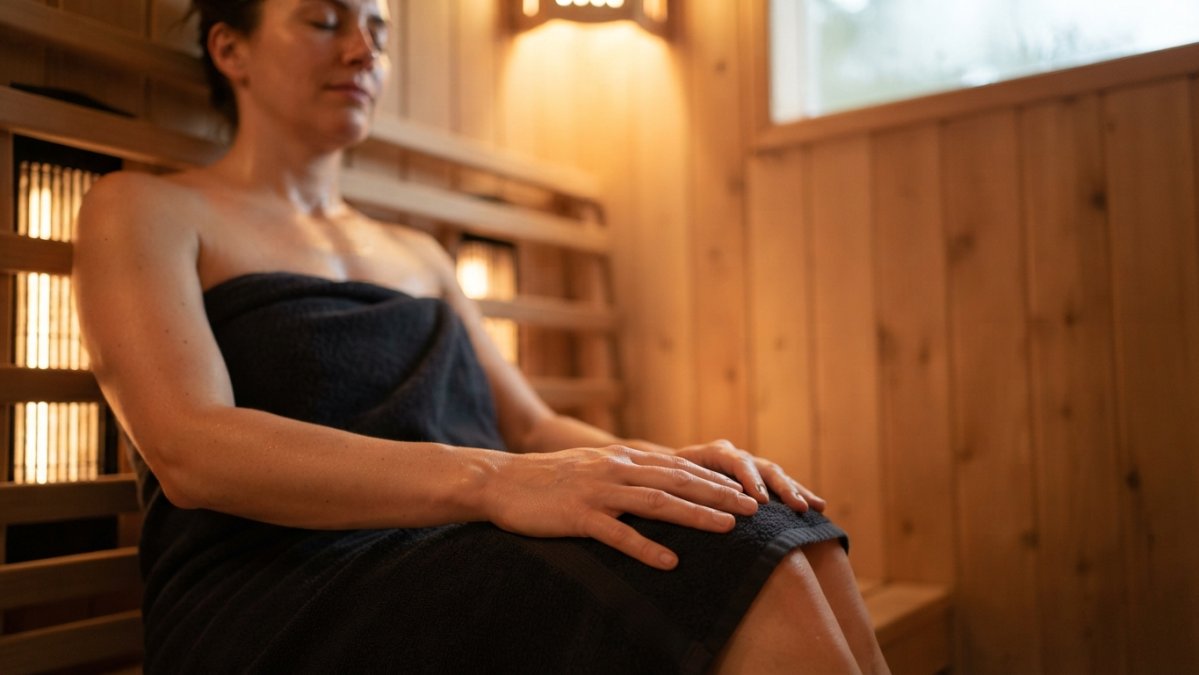
How Heat Type Shapes the Relaxation Experience
Infrared saunas create meditative relaxation. Efficient sweat evaporation prevents feeling trapped, and heart rate rises gradually (typically 100-120 bpm in 30 minutes) without the spike of a steam room. This gentler cardiovascular load allows your parasympathetic nervous system to activate more easily, letting mental chatter settle. Infrared light stimulates nitric oxide production, supporting vasodilation and physical ease.
Steam rooms deliver immediate, intense relaxation. High humidity prevents sweat evaporation, raising core temperature faster and heart rate to 120-140 bpm within 10-15 minutes. This intensity forces surrender to the heat, quieting the mind by necessity. Moist air opens nasal passages and relaxes bronchial tissue, creating respiratory relief especially for those carrying chest or shoulder tension.
Matching Heat Type to Your Relaxation Preference
Choose infrared if you:
- Prefer a calm, sustained mental state over intensity
- Want to stay in the heat for 30-45 minutes without fatigue
- Enjoy breathing easily and thinking clearly during your session
- Are sensitive to humidity or find wet heat claustrophobic
- Seek stress relief without physical exertion
- Have limited heat tolerance and need to build it gradually
Choose steam if you:
- Want rapid muscle relaxation and tension release
- Prefer a shorter, more intense experience (15-20 minutes)
- Find respiratory comfort (clearing congestion, easing chest tightness) part of your relaxation
- Enjoy the sensation of being "wrapped" in heat
- Are accustomed to high-humidity environments
- Seek a full-body physiological shift in a brief session
The Role of Comfort and Familiarity
Relaxation is sensory and psychological. If dry heat feels uncomfortable or claustrophobic, an infrared sauna won't relax you. If high humidity triggers anxiety, a steam room will stress rather than calm your nervous system. The best choice is where your body feels safe enough to let go.
Infrared Sauna – 2-Person Premium Home Spa →
First-time users often underestimate how initial discomfort affects relaxation. Many find their first infrared sauna session awkward, but by session three or four it becomes deeply calming. Steam room acclimation typically happens within 2-3 sessions. Give yourself at least three sessions before deciding it doesn't work for you.
How Long to Stay in an Infrared Sauna
The ideal infrared sauna session is 30-45 minutes. Dry heat allows efficient sweat evaporation, so you can safely stay longer than in a steam room without overheating.
Start with 20 minutes if new to infrared saunas. Once accustomed, gradually extend to 30-45 minutes. Exit if you feel dizzy, nauseous, or excessively fatigued.
Most wellness practitioners recommend 3-4 infrared sauna sessions per week for optimal relaxation and recovery benefits.
How Long to Stay in a Steam Room
Steam room sessions should be 15-20 minutes. Moist heat and high humidity create intense physiological load, so your body reaches tolerance threshold faster.
Start with 10 minutes if new to steam rooms. As you acclimate, work up to 15-20 minutes. Beyond 20 minutes, most people experience fatigue or overheating.
Recommend 2-4 steam room sessions per week for relaxation benefits without overtaxing your system.
Sauna Safety Tips and Contraindications
Both infrared saunas and steam rooms are generally safe for most people, but certain medical conditions, medications, and individual factors require caution or medical clearance before use.
Absolute and Relative Contraindications
Avoid saunas entirely if you have:
- Uncontrolled or severely elevated blood pressure (systolic >180 mmHg)
- Recent heart attack, stroke, or cardiac surgery (within 6 months)
- Active fever or acute infection
- Severe dehydration or electrolyte imbalance
- Unstable angina or uncontrolled arrhythmia
Consult your healthcare provider before using saunas if you have:
- Hypertension, coronary artery disease, or history of heart attack
- Diabetes (heat affects blood glucose regulation and medication absorption)
- Pregnancy (especially first trimester)
- Kidney disease or impaired kidney function
- Autonomic dysfunction or conditions affecting temperature regulation
- Severe skin conditions or history of heat intolerance
Medication Interactions and Heat Tolerance
Certain medications alter heat response and increase overheating risk:
- Blood pressure medications (ACE inhibitors, beta-blockers, diuretics): Start with 5-10 minute sessions and monitor for lightheadedness.
- Diuretics: Increase dehydration risk. Drink extra water before and after sessions.
- Antihistamines and decongestants: Reduce sweating and impair cooling. Avoid saunas if recently taken.
- Stimulants (caffeine, pseudoephedrine, prescription stimulants): Wait at least 4 hours after taking before using a sauna.
- Anticholinergic medications: Reduce sweating and increase heat-illness risk.
- Statins: Generally safe, but discuss with your doctor if you have cardiovascular concerns.
If you take any prescription medication, ask your healthcare provider or pharmacist whether it affects heat tolerance before your first sauna session.
Hydration and Electrolyte Balance
Sweat loss is significant: 0.5-1 litre in a 30-minute infrared session, up to 1.5 litres in a 20-minute steam room session. This includes electrolytes (sodium, potassium, magnesium), not just water.
Before your session:
- Drink 16-20 oz of water 1-2 hours before entering the sauna.
- Avoid alcohol and caffeine; both increase dehydration.
After your session:
- Drink 16-24 oz of water within 30 minutes of exiting.
- For multiple weekly sessions, consider an electrolyte drink 1-2 times per week to replenish minerals.
- Monitor urine colour; pale yellow indicates good hydration.
Acclimation and Duration Progression
Week 1-2: Infrared 15-20 minutes, steam 10 minutes, 2 sessions per week with 2 days between. Week 3-4: Infrared 25-30 minutes, steam 12-15 minutes, 2-3 sessions per week. Week 5+: Infrared 30-45 minutes 3-4 times per week, steam 15-20 minutes 2-3 times per week.
Infrared Sauna – 2-Person Premium Home Spa →
Cooling Down and Thermal Shock
- Avoid cold plunges immediately after saunas. Sudden temperature shifts cause thermal shock, triggering dangerous blood pressure spikes or arrhythmias.
- Cool down gradually: Spend 15-20 minutes in a cool environment. Sit in a cool room, take a lukewarm shower, or step outside.
- Brief cold exposure (30-60 seconds in 60-90°F water) can enhance circulation benefits, but only after core temperature drops and only if you have no cardiovascular contraindications.
Warning Signs: When to Exit Immediately
Stop your session and exit the sauna if you experience:
- Dizziness, lightheadedness, or loss of balance
- Nausea or vomiting
- Chest pain or pressure
- Shortness of breath beyond normal exertion
- Confusion or difficulty concentrating
- Excessive fatigue or weakness
- Rapid or irregular heartbeat that doesn't settle
- Severe headache
- Muscle cramps
These are signs of heat illness or cardiovascular stress. Exit, cool down in a comfortable environment, drink water, and seek medical attention if symptoms persist.
Choosing Your Relaxation Tool: At-Home Options
If you're investing in home relaxation equipment, the choice between infrared and steam technology depends on your space, budget, and relaxation goals.
Infrared saunas require less maintenance than steam rooms, no steam generators or constant water refilling.
Our Infrared Sauna - 2-Person Premium Home Spa brings professional-grade infrared technology into your home.
Our Portable Sauna Tent - Home SPA Steam Sauna Box delivers steam therapy in a compact, foldable design.

Our Infrared Sauna Blanket - Portable Home Spa Blanket delivers infrared heat without installation.
Our Sauna Box - Portable Home Steam Sauna Tent offers steam therapy with a 3L steamer, 9 heat levels, and a folding chair for comfort.

All recovery equipment comes with free shipping, a 30-day guarantee, and 24/7 support.
Choose an infrared sauna for sustained, gentle warmth that penetrates tissues directly, ideal for stress relief without intensity.
At Thermo Plunge Recovery Systems, we've designed our infrared saunas and portable steam options to bring professional-grade relaxation into your home. Whether you choose our Infrared Sauna - 2-Person Premium Home Spa for sustained wellness or one of our portable steam tents for flexibility, you'll recover smarter and relax deeper.
Frequently Asked Questions
Is an infrared sauna or steam room better for relaxation?
Both deliver relaxation, but through different mechanisms. Infrared saunas use gentle warmth that penetrates tissues, promoting a calm, meditative state without the intensity of high humidity. Steam rooms create an enveloping, spa-like environment with moist heat that many find deeply soothing. Your choice depends on sensory preference: if you prefer dry, gentle heat, infrared works better; if high humidity and direct warmth appeal to you, a steam room is ideal. Many people benefit from both.
What is the difference between dry heat and moist heat in relaxation therapy?
Dry heat from infrared saunas penetrates the body more deeply and allows sweat to evaporate efficiently, creating a lighter sensation. Moist heat in steam rooms saturates the air, making sweat stick to skin and creating a more intense thermal experience. Dry heat tends to feel gentler and is often preferred by those with respiratory sensitivity, while moist heat opens airways and feels more immersive. Both reduce muscle tension and lower stress hormones, but the sensory experience differs significantly.
How long should you stay in an infrared sauna or steam room for best relaxation?
For infrared saunas, aim for 20-30 minutes per session, allowing your body temperature to rise gradually. For steam rooms, 15-20 minutes is typical, as the high humidity intensifies heat exposure. Start with shorter sessions (10-15 minutes) if you're new to either, and always allow a cool-down period afterward. Frequency matters more than duration: 3-4 sessions per week supports consistent relaxation benefits without overheating your body.
What should you do after using a sauna or steam room to protect your health?
Cool down gradually by sitting in a comfortable room for 10-15 minutes before showering. Drink water to rehydrate, as both dry and moist heat cause fluid loss through sweating. Avoid cold showers immediately after, as the sudden temperature shift stresses your cardiovascular system. If you feel dizzy or lightheaded, lie down and elevate your legs. Wait at least 2 hours before eating a heavy meal, and avoid alcohol, as it increases dehydration risk.