

Boncharge vs Coldture: Home Wellness Comparison
Table of Contents
- Boncharge vs Coldture: Head-to-Head Comparison
- Benefits of Cold Plunge Therapy for Home Recovery
- Red Light Therapy for Recovery: What Sets Them Apart
- Space, Installation, and Electrical Requirements
- Long-Term Maintenance Costs and Durability
- How to Start a Recovery Routine: Protocol Design
- Which System Should You Choose?
Last Updated: August 16, 2026
Boncharge vs Coldture: Head-to-Head Comparison
When athletes and wellness enthusiasts search for home recovery systems, two brands consistently dominate the conversation: Boncharge and Coldture. Both offer cold plunge therapy and infrared sauna solutions, but they approach home wellness differently. At Thermo Plunge Recovery Systems, we've analysed how these systems stack up against each other, and where they fall short compared to purpose-built recovery equipment designed for serious users.
The core question isn't whether cold plunge therapy works. The real decision is which system fits your space, budget, and recovery goals without requiring constant maintenance or compromising on performance.
| Feature | Boncharge | Coldture | Best For |
|---|---|---|---|
| Cold plunge capability | Yes, portable | Yes, chiller-based | Consistent temperature control |
| Red light therapy | Limited options | Full-body systems available | Comprehensive recovery |
| Installation complexity | Simple, minimal setup | Requires electrical work | Permanent home installation |
| Cooling precision | Moderate | High (maintains 39°F) | Athletes needing exact temps |
| Space requirements | Compact | Requires dedicated area | Larger homes or gyms |
| Maintenance frequency | Moderate | Requires regular filtration | Long-term reliability |
Benefits of Cold Plunge Therapy for Home Recovery
Cold plunge immersion therapy reduces muscle soreness and inflammation through controlled exposure to cold water temperatures. When your body enters cold water, vasoconstriction occurs immediately, blood vessels narrow and redirect circulation toward core organs. Upon exit, vasodilation follows, flushing fresh oxygenated blood back through fatigued muscles. This cycle accelerates recovery and reduces delayed-onset muscle soreness (DOMS) that typically peaks 24-48 hours after intense training.
Cold plunge therapy influences circadian rhythm regulation by triggering noradrenaline release, which sharpens focus and improves sleep quality when sessions occur in the morning. Athletes using cold plunge therapy report improved sleep onset and deeper REM cycles, the restorative stage where muscle repair happens.
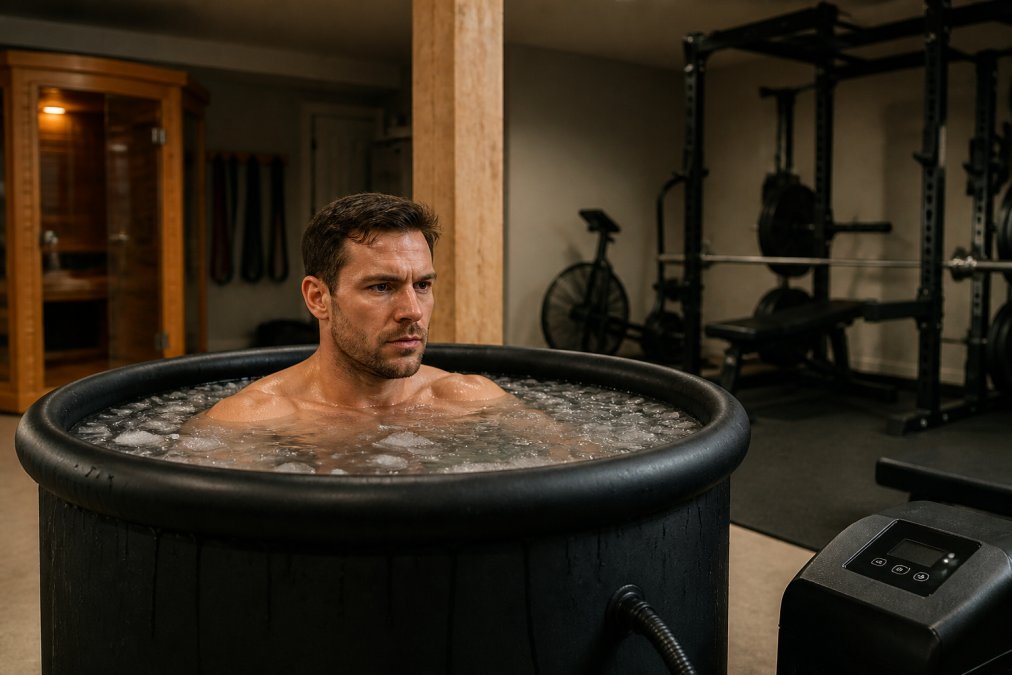
Inflammation reduction happens at the cellular level. Cold exposure activates heat shock proteins and anti-inflammatory pathways that suppress cytokine production, the signalling molecules responsible for inflammatory response. For CrossFit athletes, rugby players, and strength competitors, a 3-minute cold plunge at 39°F produces measurable reductions in systemic inflammation within hours.
The Thermo Plunge Recovery Systems approach differs from Boncharge and Coldture by prioritising temperature precision and consistency. Our Water Chiller maintains exact temperatures without fluctuation, eliminating the guesswork that comes with ice-based systems. Home integration matters more than most guides acknowledge, a cold plunge system that requires constant ice delivery or unreliable temperature control becomes a chore rather than a recovery tool. Athletes abandon inconsistent systems within weeks.

Red Light Therapy for Recovery: What Sets Them Apart
Red light therapy operates at wavelengths between 600-700 nanometres, penetrating skin and muscle tissue to stimulate mitochondrial function. This wavelength range triggers cytochrome c oxidase in the electron transport chain, increasing ATP (cellular energy) production. More ATP means faster cellular repair, reduced inflammation markers, and improved circulation.
Boncharge markets compact, portable red light devices designed for convenience over coverage, working for targeted areas but not addressing full-body recovery needs. Coldture offers larger panel systems covering more surface area, but integration with their cold plunge systems feels disconnected rather than synergistic.
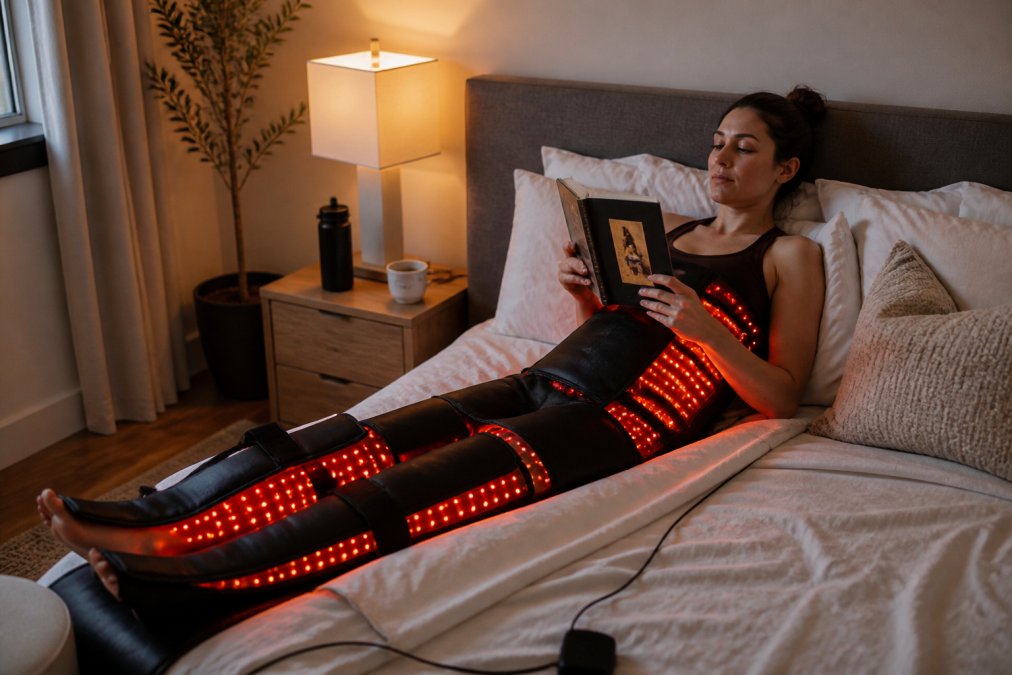
Red light therapy alone produces modest results. The real power emerges when combined with cold plunge therapy in a deliberate protocol. Cold therapy reduces inflammation; red light therapy accelerates cellular repair. Sequencing matters: cold plunge first to trigger initial inflammation reduction, then red light therapy 2-4 hours later to amplify mitochondrial recovery while inflammation is still suppressed.
Thermo Plunge Recovery Systems integrates red light therapy directly into our Ultimate Recovery & Wellness Bundle, pairing it with our water chiller and XL ice bath. This is protocol design, not just convenience. Wavelength intensity matters more than marketing claims, professional-grade systems operate at 50-100 milliwatts per square centimetre, the threshold where measurable cellular changes occur within 10-15 minute sessions.

Space, Installation, and Electrical Requirements
Boncharge's portability is genuinely convenient, systems require minimal electrical infrastructure and can move between rooms. But portability creates trade-offs: smaller water capacity, less stable temperature control, and frequent maintenance interruptions.
Coldture's systems demand permanent installation. Their chiller units require 120V or 240V electrical circuits, dedicated plumbing considerations, and sufficient floor space for both the tub and chiller unit side-by-side. Most users underestimate the spatial footprint; a professional-grade cold plunge setup occupies roughly 8x6 feet when you account for equipment, circulation space, and safety clearance.
Installation complexity varies dramatically. Boncharge systems plug in and fill with water in roughly 15 minutes. Coldture requires identifying an appropriate electrical outlet, ensuring it meets amperage requirements, and planning water drainage. Neither brand handles electrical installation, meaning you'll likely hire a technician if your home lacks suitable circuits nearby.
Thermo Plunge Recovery Systems offers flexibility across this spectrum. Our portable Ice Bath Tub requires only a garden hose connection and works with any water chiller. Our Upgrade XL Ice Bath Tub accommodates our water chiller with minimal installation. For permanent installations, this approach beats Coldture's integrated systems because you control the footprint.
Electrical load matters. A 1/3 HP chiller draws approximately 15 amps at peak operation, manageable on a standard 20-amp circuit with nothing else running. Coldture's higher-capacity systems exceed this, requiring dedicated circuits. For apartment dwellers or homes with older electrical panels, this becomes a dealbreaker.
Water quality and drainage integration separate casual systems from serious ones. Boncharge's portability means you drain manually after each session. Coldture offers drain integration but requires plumbing work. Our systems support both approaches: portable drainage for flexibility or permanent plumbing for daily users.
Long-Term Maintenance Costs and Durability
Maintenance expenses reveal why equipment reliability matters more than initial purchase price. Boncharge's portable systems require frequent ice purchases if you're not using a chiller, accumulating to several hundred dollars annually beyond the initial equipment investment.
Filtration and water treatment represent the largest hidden cost in cold plunge ownership. Coldture's systems require regular filter changes and water treatment chemicals to prevent bacterial growth and mineral buildup. Annual filtration costs alone reach significant amounts for serious users.
Durability differences emerge after 12-24 months of consistent use. Boncharge's portable tubs show wear patterns, seams weaken, insulation degrades, and temperature retention decreases. Coldture's integrated systems hold up better mechanically, but their chiller units develop efficiency loss over time as compressors age.
Thermo Plunge Recovery Systems equipment is engineered for 5+ years of daily use. Our multi-layered insulated tubs maintain structural integrity because we use commercial-grade materials throughout. The chiller operates efficiently even after years of continuous cycling. Our filtration system is designed for cost-effective maintenance, and users report extended intervals between changes with proper maintenance protocols.
The real cost comparison requires calculating total ownership over three years:
Boncharge system: Initial cost + ice purchases + replacement tub (durability failure) + minimal maintenance = higher total cost despite lower entry price.
Coldture system: Initial cost + filter replacements + potential chiller repairs + water treatment chemicals = moderate total cost with reliability concerns.
Thermo Plunge system: Initial cost + filter replacements + minimal repairs = competitive total cost with documented durability.
How to Start a Recovery Routine: Protocol Design
Most athletes approach recovery haphazardly. Effective recovery requires synergistic protocol design where each modality amplifies the others' benefits.
A foundational protocol starts with timing. Cold plunge therapy works best within 30 minutes of training completion, while inflammation is still actively spiking. A 3-5 minute immersion at 39-41°F triggers the initial anti-inflammatory response. Most users report optimal results at 3 minutes; longer sessions don't produce proportionally better outcomes.
Red light therapy follows 2-4 hours after cold plunge, once inflammation has partially resolved but cellular repair is actively occurring. A 12-15 minute full-body red light session at this window accelerates mitochondrial recovery without overwhelming your system with competing stimuli.
Sleep quality improves when you sequence recovery strategically. Cold plunge sessions in the morning trigger noradrenaline release and circadian rhythm shifts that deepen sleep onset 12 hours later. Evening red light therapy (2-3 hours before bed) supports melatonin production without the stimulating effects of morning cold exposure.
| Protocol Phase | Timing | Duration | Frequency | Expected Outcome |
|---|---|---|---|---|
| Cold plunge | Within 30 min of training | 3-5 minutes | Post-workout | Acute inflammation reduction |
| Red light therapy | 2-4 hours post-cold plunge | 12-15 minutes | Daily or 5x/week | Cellular repair acceleration |
| Sleep optimisation | Evening routine | N/A | Nightly | Deeper REM, faster recovery |
| Maintenance protocol | Off-training days | 5-10 minutes | 1-2x/week | Sustained inflammation control |
Thermo Plunge Recovery Systems' Ultimate Recovery & Wellness Bundle supports this exact protocol. The XL ice bath handles your cold plunge phase, the water chiller maintains precise temperatures for consistency, and the full-body red light therapy pad covers the cellular repair phase. You're acquiring a coordinated system designed around how recovery actually works.

Starting conservatively prevents overtraining your recovery system. First week: cold plunge only, 3 minutes, three times. Week two: add red light therapy 2-4 hours later on two sessions. Week three: introduce morning cold plunge for circadian rhythm benefits. By week four, you're operating a full protocol without shocking your nervous system.
Common mistakes derail most beginners. Extending cold plunge duration beyond 5 minutes produces diminishing returns and increases systemic stress. Using red light therapy immediately after cold plunge prevents the anti-inflammatory window from establishing. Skipping protocol consistency undermines adaptation.
Which System Should You Choose?
Boncharge suits apartment dwellers and users prioritising portability over consistency. If you move frequently, lack dedicated space, or want to test cold plunge therapy before committing to permanent installation, their systems deliver functional recovery at minimal setup friction. The trade-off is temperature inconsistency and higher long-term maintenance costs.
Coldture works for users with existing space and electrical infrastructure who value cooling precision. Their chiller systems maintain exact temperatures reliably, supporting serious athletes who need reproducible recovery conditions. The limitation is installation complexity and ongoing filtration expenses.
Thermo Plunge Recovery Systems represents the optimal choice for athletes and wellness enthusiasts planning 3+ years of consistent use. Our systems combine Boncharge's flexibility with Coldture's precision while eliminating their respective weaknesses. The water chiller cools reliably without the ice-replenishment hassle. Our XL Ice Bath Tub accommodates serious athletes while remaining portable enough to relocate if needed. The integrated red light therapy system supports complete recovery protocols rather than treating each modality separately.
The decision ultimately reflects your commitment level. Casual users experimenting with recovery benefit from Boncharge's low barrier to entry. Serious athletes requiring reliable, consistent equipment choose systems designed for daily professional use, where Thermo Plunge Recovery Systems delivers durability, precision, and integrated protocol support that Boncharge and Coldture simply don't match.
Recovery equipment represents a long-term investment in your performance and longevity. Rather than choosing based on marketing claims, evaluate which system actually integrates into your daily routine and maintains reliability through years of use. Thermo Plunge Recovery Systems provides the professional-grade infrastructure serious athletes need, with free shipping, a 30-day guarantee, and 24/7 support ensuring you recover smarter and train harder. Shop our Ultimate Recovery & Wellness Bundle and experience the difference precision recovery equipment makes.
Frequently Asked Questions
What is the primary difference between Boncharge and Coldture for home wellness?
Boncharge emphasises portable, multi-function wellness devices including sauna blankets, red light therapy masks, and compact cold plunge systems designed for space-conscious homes. Coldture focuses on high-capacity cold plunge immersion with professional-grade chillers and larger tubs. Your choice depends on whether you prioritise versatility and portability or dedicated, larger-scale cold therapy. Both offer infrared and cold therapy benefits, but their equipment configurations serve different recovery routines.
Are the benefits of cold plunge therapy worth the investment for non-athletes?
Yes. Cold plunge therapy reduces inflammation, improves sleep quality, and enhances circulation for anyone, not just athletes. Regular immersion therapy supports circadian rhythm optimisation, stress reduction, and metabolic health. Even 2-3 sessions per week can improve sleep hygiene and reduce cortisol levels. Wellness enthusiasts and individuals managing chronic stress report significant improvements in recovery and daily energy, making it a worthwhile investment for long-term health.
How does red light therapy for recovery compare to cold plunge therapy?
Red light therapy stimulates cellular rejuvenation and supports muscle recovery through wavelength intensity, while cold plunge therapy reduces acute inflammation and enhances circulation through thermal regulation. They work synergistically: cold therapy addresses immediate post-workout inflammation; red light therapy promotes deeper cellular healing over time. Many recovery protocols combine both for enhanced results. Red light is gentler and requires no temperature control, making it ideal for daily use alongside cold immersion sessions.
What maintenance costs should I expect with home wellness equipment?
Cold plunge systems require filter replacements (typically $50-150 annually), water treatment chemicals, and electricity for the chiller unit. Sauna blankets need occasional cleaning but minimal maintenance. Red light therapy devices have virtually no ongoing costs beyond occasional bulb replacement. Budget $200-400 yearly for a complete home system. Durability varies: quality equipment lasts 5-10 years with proper care. Choosing systems with accessible filters and simple maintenance protocols reduces long-term costs significantly.
This article was written using GrandRanker