

Essential Features for Residential Ice Baths: A Buyer's Guide
Quick Summary
Residential ice baths should be matched to your room, power supply and drainage rather than commercial needs. Key features to compare are tub capacity, insulation, temperature control through a chiller, and a realistic maintenance routine. Measure your space and check electrical and floor-load requirements before you buy.
- Measure the room, doorway and path to the water source before comparing models.
- Match capacity to the number of users; a 160-gallon tub seats two people.
- A chiller holding 39°F gives consistent sessions better than melting ice.
- Confirm a dedicated circuit and floor load, since a full tub weighs over 1,400 pounds.
- Change water every two to four weeks and test sanitizer two to three times weekly.
Table of Contents
- Essential Features for Residential Ice Baths: A Buyer's Guide
- What Makes a Residential Ice Bath Different From a Gym Setup
- Cold Plunge Dimensions and Capacity for Your Space
- Tub Materials, Insulation and Lid Design
- Ice Bath Temperature Control and Chiller Compatibility
- Ice Bath Safety, Plumbing, Drainage and Electrical Needs
- Ice Bath Maintenance, Filtration and Total Cost of Ownership
- Choosing Your Home Cold Plunge Setup
- Frequently Asked Questions
Essential Features for Residential Ice Baths: A Buyer's Guide
Last Updated: November 7, 2026
Choosing a residential ice bath is different from choosing one for a gym, and most buyers only realize it after the tub arrives. A set of residential ice baths is built around a home's space, power and drainage rather than commercial traffic.

Ice baths, also called cold plunges, are used to help the body recover after hard training.
What Makes a Residential Ice Bath Different From a Gym Setup
A gym installation is built for many users, heavy daily traffic and commercial plumbing. A home setup has to fit into a room you already use, work with a standard outlet and drain without a commercial contractor, and stay quiet enough to run in the evening.
Start with the room, not the catalog. Measure the floor, the doorway and the path from the tub to the water source before comparing models.
Cold Plunge Dimensions and Capacity for Your Space
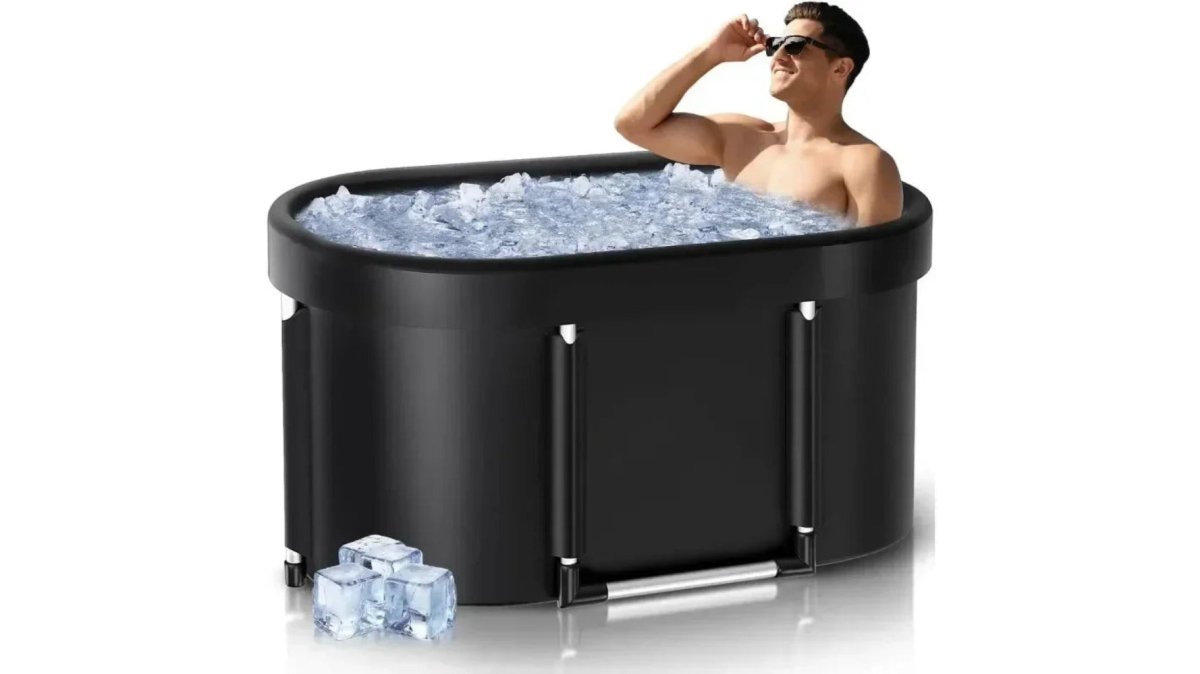
Capacity is the first spec most shoppers compare, and it drives size, weight and water volume. The [PRODUCT: Upgrade XL Ice Bath Tub | https://thermoplunge.com/products/upgrade-xl-ice-bath-tub-portable-cold-plunge-for-athletes] has a 160-gallon capacity and measures 59.1 × 31.5 × 29.5 inches, and it seats two people. The [PRODUCT: Portable Bathtub - Foldable Adult Spa & Ice Bath | https://thermoplunge.com/products/portable-bathtub-foldable-adult-spa-ice-bath] offers 87.4 gallons and folds down for storage in small spaces.
Matching Tub Size to the Number of Users
Decide how many people will use the tub and how often. A solo athlete who plunges for ten minutes at a time has very different needs from a couple sharing sessions. A larger tub holds more water, which means more time to chill and more to maintain, so do not buy more capacity than you will use.

Indoor Versus Outdoor Placement
Indoor tubs need a floor that can handle the weight of filled water, plus a nearby drain or a plan for emptying by hand. Outdoor placement avoids moisture problems inside the home, but it exposes the tub to sun, temperature swings and debris. Portable inflatable models are easier to move between locations, while heavier rigid tubs usually stay put once they are set up.
Tub Materials, Insulation and Lid Design
Materials affect durability and how well the tub holds cold. Look for a non-porous interior that is easy to wipe clean, and for multi-layer insulation if you want the water to stay cold between sessions.
A lid is one of the most underrated features. The XL tub includes an insulated thermal lid designed to help retain cold. If you plan to run a chiller, a lid can help reduce how often the water needs to be chilled.
Ice Bath Temperature Control and Chiller Compatibility
Ice bath temperature is usually the deciding factor between a basic tub and a system you can use every day. A dedicated water chiller holds a set temperature, so each session starts at the same point.

The 1/3 HP water chiller cools water to 39°F and works with any tub.
Ice Bath Safety, Plumbing, Drainage and Electrical Needs
Cold water immersion carries real risks, especially for people with heart conditions, high blood pressure or a history of cold-related problems. Speak with a doctor before starting a routine, and never plunge alone when you are new to the practice.
Home installation is where most buyers get surprised, so treat this as a pre-purchase checklist rather than an afterthought. The three constraints that decide whether a unit is feasible are power, water and drainage, and floor load.
Electrical Requirements
Chillers are the main electrical load. A small portable chiller typically draws a few hundred watts and can run on a standard 120V household circuit, but larger or faster-chilling units may require a dedicated 120V circuit or, in some cases, a 240V circuit.
Watch out: a chiller that trips a shared circuit mid-session will leave the water warming in your residential ice baths and may reset repeatedly, which shortens compressor life.
Water Supply and Filling
A 160-gallon tub takes roughly 160 gallons to fill, and a standard garden hose delivers about 5 to 10 gallons per minute depending on pressure, so plan for 15 to 30 minutes of filling. Confirm the hose reach and whether the nearest spigot is hot or cold; filling with cold water reduces the chiller's initial pull-down time. Indoor fills need a hose routed to a bathroom or utility sink, or a portable pump.
Drainage and Emptying
Portable tubs usually drain by gravity through a hose to a floor drain, utility sink or outdoors. Rigid tubs with a drain valve need a path to a suitable outlet, and a 160-gallon tub can take 10 to 20 minutes to drain through a standard hose. If the tub sits below the nearest drain, you will need a submersible pump.
Floor Load and Moisture
Water weighs about 8.3 pounds per gallon, so a 160-gallon tub plus the tub itself can exceed 1,400 pounds spread over its footprint. Check that the floor can carry that load; a garage slab or ground-floor bathroom is usually fine, while an upper floor or deck may need an engineer's review. Indoors, plan for splashes, condensation and humidity: a floor mat or tray, a nearby exhaust fan, and a lid that stays on between sessions all reduce moisture problems.
Placement and Ventilation
Chillers exhaust heat and make noise, so give the unit clearance around its vents and do not box it into a closet. A garage, covered patio or utility room is a common compromise: protected from rain, ventilated, and close to power and drainage.
If the installation looks complicated, a licensed electrician or plumber can confirm what your home needs before you commit to a model.
Ice Bath Maintenance, Filtration and Total Cost of Ownership
The purchase price is only part of what a cold plunge costs. The features that decide long-term value for residential ice baths are filtration, water-care routine, and the ongoing electricity, water and parts bill. Treat this section as a total-cost-of-ownership worksheet.
Filtration Versus Disinfection
Filtration removes debris and particles; disinfection kills or inactivates what remains. A built-in filter can help keep water clearer between changes, but it does not replace sanitation. For a residential tub, a common routine is a cartridge or mesh filter checked weekly, rinsed every one to two weeks, and replaced on the manufacturer's schedule, plus a sanitizer appropriate to the tub and a test of pH and sanitizer levels two to three times per week when the tub is in daily use.
Water-Change Intervals
How often you change the water depends on use, filtration and sanitation. A common pattern for a well-filtered residential tub is every two to four weeks with regular sanitizing, and more often for shared or heavy use. Signs it is time: cloudy water, a strong odor, visible film on the walls, or sanitizer that will not hold a reading. A 160-gallon tub uses about 160 gallons per change, so water changes are a real line item in dry regions.
Cleaning Routine
Wipe the waterline weekly, clean the interior with a product made for tubs, and run the filter through its rinse cycle. Between water changes, scrub the walls and floor to prevent biofilm. Keep a lid on between sessions to limit debris and evaporation.
Electricity
The chiller is the largest ongoing cost. A small chiller running daily draws a few hundred watts; a larger unit draws more. To estimate, multiply the chiller's wattage by the hours it runs per day, divide by 1,000 for kilowatt-hours, and multiply by your local electricity rate. A lid and good insulation cut run time, and a timer that starts the chiller ahead of a session avoids chilling water you will not use.
Water, Filters and Parts
Budget for water changes, replacement filter cartridges, sanitizer and cleaning supplies, and occasional parts such as lid seals or hoses. A lower-priced tub that needs more frequent water changes, more sanitizer or more filter replacements is not always the cheaper choice over a year.
Maintenance Schedule at a Glance
- Weekly: check filter, test sanitizer and pH, wipe waterline.
- Every one to two weeks: rinse filter, top up sanitizer.
- Every two to four weeks: change water, deep-clean interior.
- Monthly: inspect hoses, seals and chiller vents; clean or replace filter per manufacturer.
- Seasonally: check chiller performance and insulation, and review electricity use.
Some common questions come up during this stage of planning, and the CDC guidance on safe water and recreational water use is a useful reference for general hygiene habits when water is used for bathing.
Total Cost of Ownership in Practice
Add up purchase price, electricity, water, filters, sanitizer and parts over a year, then compare that annual figure across models. The tub with the best sticker price can lose on annual cost if it chills slowly, leaks heat, or needs frequent water changes.
The table below sets out the recommended maintenance tasks and how often each one should be done.
| Task | Frequency | Note |
|---|---|---|
| Check filter, test sanitizer and pH | Weekly | Test two to three times per week in daily use |
| Rinse filter, top up sanitizer | Every one to two weeks | Follow manufacturer instructions |
| Change water, deep-clean interior | Every two to four weeks | Sooner if cloudy or smelly |
| Inspect hoses, seals and chiller vents | Monthly | Clean or replace filter per manufacturer |
| Check chiller and insulation, review power use | Seasonally | Compare against your electricity bill |
Choosing Your Home Cold Plunge Setup
Start by listing your space, the number of users, how often you plan to plunge and your budget for both equipment and upkeep.
Whatever you choose, match the features to how you will actually use the tub, and you will get far more value from it over time.
Ready to build your home setup? Shop Thermo Plunge Recovery Systems cold plunge tubs and chillers to find the right fit for your space and routine, with free shipping and a 30-day guarantee.
Frequently Asked Questions
What is the best cold plunge tub for home use?
The best choice depends on how many people will use it, where it will sit and how often you plan to use it. Thermo Plunge's Upgrade XL Ice Bath Tub offers a 160-gallon capacity, seats two people and is inflatable and portable, which suits shared use or athletes who want room to sit comfortably. For a single user with limited space, the Portable Bathtub at 87.4 gallons folds down for storage. Compare capacity, insulation and whether you need a chiller before deciding.
What temperature should a home ice bath be?
Most people using an ice bath for recovery aim for water in the 50 to 59 degrees Fahrenheit range, with sessions of about 10 to 15 minutes. Colder water is not automatically better, and beginners should start at a milder temperature. A water chiller such as Thermo Plunge's 1/3 HP model can cool water down to 39 degrees Fahrenheit, which gives you control over the temperature rather than relying on ice alone. Always stop if you feel numbness, dizziness or chest discomfort.
Are ice baths dangerous?
Cold water immersion can be unsafe for some people, including those with heart conditions, high blood pressure, or circulation problems. Never enter alone for the first time, keep sessions short, and avoid very cold water if you are new to cold exposure. Get medical advice before starting if you have a health condition. Set up your tub on a stable, level surface and keep a non-slip mat nearby to reduce fall risk.
How do I maintain and clean a residential ice bath?
Drain and clean the tub regularly, typically after every few uses or weekly for frequent users, using a cleaner recommended for the tub material. Filtration keeps water clear between changes, and a unit with a built-in filter, such as the Thermo Plunge water chiller, includes filtration as a feature. Cover the tub when not in use to limit debris, dust and heat loss. Check drain fittings and the lid seal during each cleaning.
