

Portable Ice Bath for Home Gym: 2026 Guide
Table of Contents
- What to Look for in a Portable Ice Bath for Your Home Gym
- Inflatable vs. Hard-Sided Portable Ice Baths
- Best Practices for Cold Water Immersion
- Ice Bath Recovery Duration and Frequency
- Cold Plunge Chiller vs. Ice: Which Cooling Method Works Best
- Top Portable Ice Bath Options for Home Recovery
- Maintenance and Water Hygiene for Home Ice Baths
- Electrical Safety and Floor Considerations
Last Updated: August 20, 2026
What to Look for in a Portable Ice Bath for Your Home Gym
Choosing the right portable ice bath for your home gym depends on three core factors: how much water you need, how well the tub retains cold, and whether it actually fits your space. Most people buy the wrong size their first time because they prioritize price over these fundamentals. Here's what actually matters.
A portable ice bath for home gym use sits somewhere between a luxury and a necessity for serious athletes. The difference between a tub that works and one that frustrates you comes down to understanding what happens when cold water meets your home environment. Temperature drops fast without proper insulation. Space constraints are real. And if your tub doesn't hold enough water for full-body immersion, you're wasting money.
Water Capacity and Comfort
The ideal water capacity for a portable ice bath for home gym recovery ranges from 50 to 160 gallons, depending on your body size and immersion depth preference. Smaller tubs (50-80 gallons) work for solo athletes who want foot-to-chest immersion. Larger tubs (120-160 gallons) accommodate full-body submersion or multiple users.
Thermo Plunge Recovery Systems offers options across this range. Their entry-level portable ice bath tub holds enough for effective recovery without dominating your space. The XL upgrade reaches 160 gallons, which is the sweet spot for athletes who want true full-body cold immersion without climbing in and out repeatedly to adjust position.
Comfort matters more than most guides acknowledge. A cramped tub forces your knees up, reduces circulation to your lower legs, and makes it harder to stay in for the recommended duration. Test the dimensions before buying. If you're over 6 feet tall or broader in the shoulders, anything under 100 gallons will feel like a squeeze.
Insulation and Temperature Retention
Multi-layer insulation is what separates a tub that holds 39°F for 20 minutes from one that drifts toward 50°F in half that time. A quality portable ice bath for home gym use should feature at least 6-layer construction with closed-cell foam or similar thermal barriers.
The thermal lid matters just as much as the tub walls. Heat escapes fastest from the surface, so a well-insulated lid can extend your cold retention by 30 to 40 percent. Thermo Plunge's XL model includes a thermal lid designed specifically for this purpose.
Without proper insulation, you'll either spend a fortune on ice or buy a water chiller. Both are valid approaches, but insulation efficiency determines which makes financial sense for your situation.
Space and Installation Requirements
A 160-gallon tub requires roughly 5 feet by 3 feet of floor space, plus room to step in and out. Check your home gym layout before ordering. Inflatable models collapse for storage, which appeals to renters or anyone without dedicated gym space. Hard-sided tubs stay assembled and take permanent real estate.
Floor load-bearing capacity matters more than most people realize. A filled 160-gallon tub weighs approximately 1,200 pounds. Standard residential flooring handles this, but older homes or upper-floor installations may need reinforcement. Check your floor joists before committing to a large tub in a bedroom or upstairs space.
Electrical safety is non-negotiable if you're adding a water chiller. Any chiller unit should connect to a GFCI-protected outlet to prevent electrical hazard if water contacts the unit. This is not optional, it's a code requirement in most jurisdictions.
Inflatable vs. Hard-Sided Portable Ice Baths
The choice between inflatable and hard-sided portable ice bath for home gym setups comes down to permanence, durability, and portability. Inflatable models deflate for storage and move easily between locations. Hard-sided tubs stay in place and withstand repeated use over years without degradation.

Inflatable tubs typically cost less upfront. They're ideal for testing cold water immersion before investing in a permanent setup. The tradeoff: they puncture, they degrade under UV exposure, and they feel less stable than hard-sided alternatives. Most athletes who use cold plunges regularly eventually upgrade to hard-sided.
Hard-sided tubs cost more but last longer. They don't require seasonal storage or inflation maintenance. If you're serious about cold water immersion as part of your recovery protocol, hard-sided is the better long-term investment. Thermo Plunge's XL model is hard-sided, designed for durability and consistent performance across hundreds of sessions.
Best Practices for Cold Water Immersion
Cold water immersion effectiveness depends on three variables: temperature, duration, and frequency. Most athletes underestimate how much these interact. The colder the water, the shorter your session should be. The warmer it is, the longer you can stay in safely.
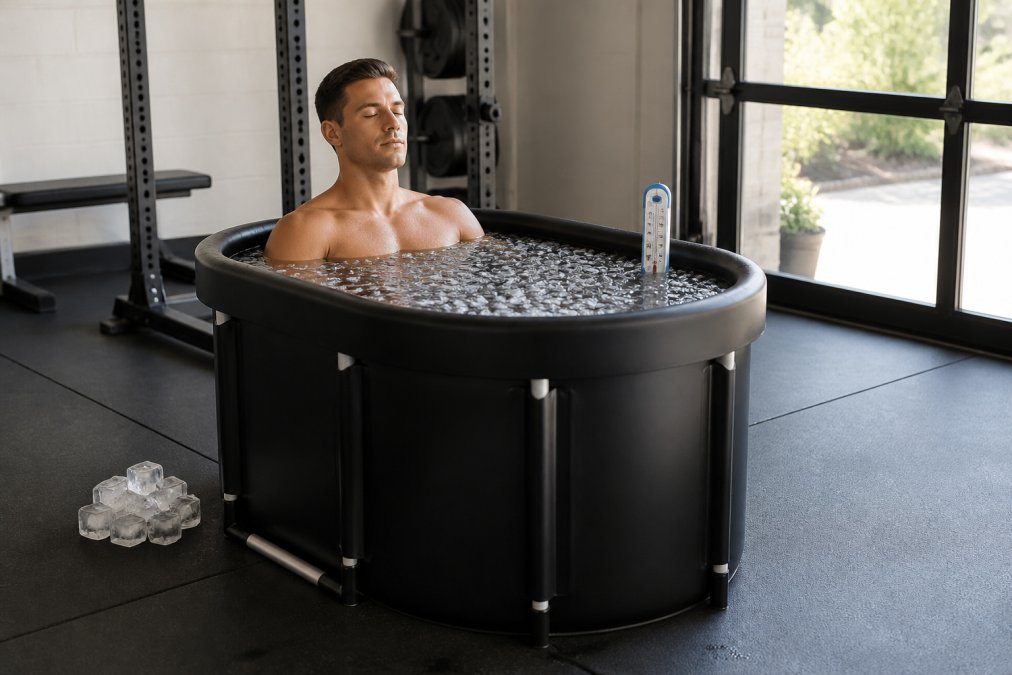
Optimal temperature for cold water immersion sits between 39°F and 50°F. Below 39°F, you risk cold shock response and peripheral nerve damage. Above 50°F, the therapeutic benefits diminish significantly. Most athletes find 45°F to be the sweet spot, cold enough to trigger physiological adaptation without extreme discomfort.
Proper breathing during immersion prevents panic and allows your nervous system to acclimate. Controlled breathing, in through your nose, out through your mouth, helps regulate your heart rate and keeps you calm. Never hold your breath. Never enter a cold plunge immediately after heavy exertion when your core temperature is elevated.

Gradual acclimatization matters. Your first session should be 2 to 3 minutes at a warmer temperature (50-55°F). Subsequent sessions can extend duration and drop temperature incrementally. Most athletes reach 10-minute sessions at 40°F within 4 to 6 weeks of consistent practice.
Ice Bath Recovery Duration and Frequency
The ideal ice bath recovery duration for most athletes is 10 to 15 minutes at 39°F to 45°F. Shorter sessions (3 to 5 minutes) still provide benefit but require colder temperatures. Longer sessions (20+ minutes) carry diminishing returns and increase injury risk from prolonged cold exposure.

Recovery frequency depends on your training intensity. Athletes training hard 5 to 6 days per week can safely use cold plunges 3 to 4 times weekly. Recreational athletes benefit from 1 to 2 sessions per week. Daily cold immersion can suppress immune function and impair muscle adaptation if overdone.
The timing of cold plunges matters for specific outcomes. Immediate post-workout immersion (within 30 minutes) reduces inflammation and soreness but may slightly blunt muscle growth signals. Cold plunges 4 to 6 hours after training preserve the anabolic response while still managing inflammation. Most athletes prioritize soreness reduction and choose immediate post-workout timing.
Cold Plunge Chiller vs. Ice: Which Cooling Method Works Best
A water chiller maintains consistent temperature automatically. A chiller-equipped setup cools water to 39°F and holds it there for hours. You never adjust temperature manually. This consistency is why serious athletes prefer chillers, reproducibility matters for tracking recovery outcomes.
Ice-based cooling is cheaper upfront but requires constant replenishment. A 160-gallon tub filled with 39°F water loses 3 to 5 degrees per hour without active cooling. You'll add ice multiple times per week to maintain optimal temperature. Over a year, ice costs exceed a chiller purchase price for most users.
The Thermo Plunge Water Chiller, 1/3 HP Ice Bath Cold Plunge, cools to 39°F and includes a built-in filter and timer. It works with any tub, so you're not locked into one brand. This flexibility matters if you already own a tub or want to upgrade later.
Chillers require electricity and regular maintenance. Filters need changing every 3 to 6 months depending on water quality. Ice requires only freezer space and occasional trips to replenish supply. Choose based on your tolerance for maintenance versus your need for consistency.
Top Portable Ice Bath Options for Home Recovery
Budget-Friendly Entry Point
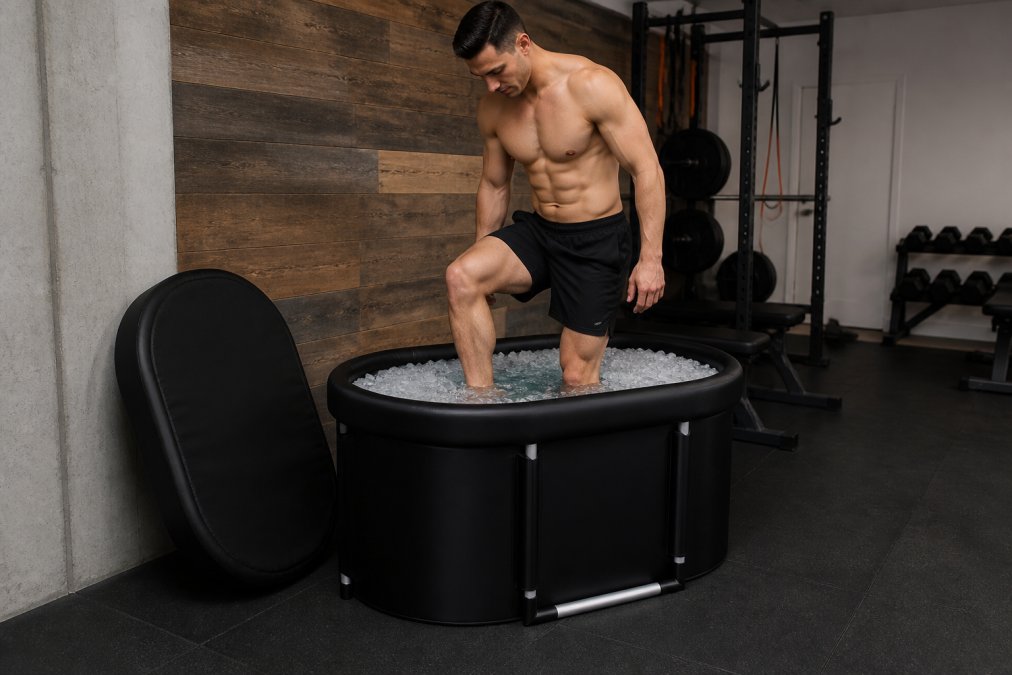
The Portable Bathtub, Foldable Adult Spa & Ice Bath from Thermo Plunge costs $118.95 and serves dual purposes: hot spa or cold plunge. Its 6-layer insulation holds temperature reasonably well for a compact model. The foldable design makes it ideal for renters or anyone testing cold water immersion before investing heavily.
This tub works best for foot-to-knee immersion or as a starter tool. At roughly 25 inches by 31 inches, it's tight for full-body use but perfect for apartments. The collapsible design stores flat, taking up minimal space when not in use. If you're uncertain whether cold plunges fit your recovery routine, this is where to start.
What works: low cost, dual-purpose functionality, space efficiency. What doesn't: limited capacity means shorter immersion times and water temperature drops quickly without active cooling.
Space-Saving Compact Solution
The Ice Bath Tub, Portable Cold Plunge for Recovery at $169.95 offers multi-layered insulation in a foldable design. It's larger than the entry-level model but still stores compactly. The construction feels more strong than budget alternatives, with reinforced walls and better temperature retention.
This model bridges the gap between ultra-compact and full-size. Athletes with limited space but serious recovery goals find this sweet spot. It accommodates most body types for effective immersion without requiring permanent floor space allocation.
The tradeoff: still not ideal for full-body submersion for taller athletes, but substantially better than smaller models.
Professional-Grade XL System
The Upgrade XL Ice Bath Tub, Portable Cold Plunge for Athletes at $648.95 reaches 160 gallons and pairs with water chillers. This is where serious athletes invest. The XL capacity accommodates full-body immersion, the insulated thermal lid minimizes temperature loss, and the design supports daily use without degradation.
Hard-sided construction means it stays assembled. You're committing floor space, but you're also committing to consistent cold water immersion as part of your protocol. The chiller compatibility is key, this tub is built for precision temperature control.
Setup takes roughly 30 minutes. Maintenance involves draining and refilling every 2 to 4 weeks depending on water quality and usage frequency.
Complete Recovery Bundle
The Ultimate Recovery & Wellness Bundle at $2,199.95 includes the XL tub, 1/3 HP Water Chiller, and full-body red light therapy system. This is the complete home recovery station. If your goal is maximum recovery capacity and you have the space and budget, this bundle eliminates guesswork.
The water chiller maintains 39°F automatically. The red light therapy complements cold immersion by supporting circulation and muscle recovery through a different mechanism. Combined, these tools address multiple recovery pathways.
This bundle makes sense for competitive athletes, boutique gym owners, or anyone treating recovery as a core performance variable. The investment is substantial, but the consistency and multi-modal approach justify it for serious users.
Maintenance and Water Hygiene for Home Ice Baths
Water hygiene directly affects how long your tub lasts and how safe cold immersion is. Stagnant water breeds bacteria and algae. Moving water stays cleaner longer. Most portable ice bath for home gym owners underestimate maintenance demands.
Change water every 2 to 4 weeks depending on usage frequency and ambient temperature. More frequent use and warmer seasons require more frequent changes. Between changes, use a filtration system or add an ozone generator to suppress microbial growth.
Drain completely before extended storage. Residual water freezes in cold climates and creates ice damage to the tub material. Clean the interior with mild soap and a soft brush before refilling.
If you're using a water chiller, change the filter every 3 to 6 months. A clogged filter reduces cooling efficiency and stresses the chiller motor. Most chillers alert you when filter replacement is needed.
Check the tub seams and material regularly for cracks or punctures. Inflatable models are especially vulnerable. Repair kits exist, but prevention through proper storage and handling matters more.
Electrical Safety and Floor Considerations
Water and electricity require absolute respect. Any water chiller must connect to a GFCI-protected outlet. This outlet automatically cuts power if it detects current leakage to ground, exactly what happens if water contacts the chiller or electrical connections.
Standard residential outlets are 15-amp. Most 1/3 HP chillers draw 8 to 10 amps, so a single dedicated GFCI outlet is sufficient. Run the power cord along baseboards or through conduit to prevent tripping hazards. Never run the cord across high-traffic areas.
Floor load-bearing capacity requires honest assessment. A 160-gallon tub filled with water weighs approximately 1,200 pounds. Residential joists typically support 40 pounds per square foot live load. Calculate the pressure: a 5-foot by 3-foot tub distributes roughly 80 pounds per square foot. Standard construction handles this, but older homes or upper floors may not.
Concrete floors in basements handle any tub size without concern. Wood floors on upper levels may need assessment. When in doubt, consult a structural engineer before installing a large tub. Ceiling damage from water weight is expensive to repair.
Drainage is a practical consideration. Most portable tubs include a drain valve. Direct drainage toward a floor drain, sump pump, or outdoor area. Never drain directly onto adjacent flooring, water damage spreads quickly.
Serious athletes know recovery determines performance as much as training does. A portable ice bath for home gym use removes the friction of traveling to recovery facilities and lets you integrate cold water immersion into your daily routine. Thermo Plunge Recovery Systems offers equipment across every budget level, from the $118.95 foldable tub for beginners to the $2,199.95 complete bundle with water chiller and red light therapy.
The right choice depends on your space, budget, and commitment level. Start with the entry-level model if you're testing the waters. Upgrade to the XL with a chiller if you're training seriously and want consistency. Either way, Thermo Plunge backs every purchase with free shipping, a 30-day guarantee, and 24/7 support. Shop today and start recovering smarter.
Frequently Asked Questions
What are the main benefits of a portable ice bath for home gym recovery?
A portable ice bath for home gym use delivers cold water immersion therapy that reduces muscle inflammation, accelerates post-workout recovery, and improves circulatory health. Athletes experience decreased muscle soreness within 24-48 hours of regular cold plunge sessions. Cold water immersion also supports better sleep quality, boosts dopamine release, and enhances metabolic function. Unlike expensive cryotherapy clinics, a home system lets you recover on your schedule without travel time.
How long should ice bath recovery duration be for optimal results?
Effective ice bath recovery duration typically ranges from 3 to 10 minutes per session. Most athletes start with 3-5 minutes to build cold tolerance, then gradually extend to 8-10 minutes as their body adapts. Sessions longer than 15 minutes offer no additional benefit and increase risk of overexposure. For best practices for cold water immersion, limit sessions to 2-3 times per week, allowing 48 hours between exposures to let your body fully recover and adapt to the stimulus.
What's the difference between a cold plunge chiller vs. ice for cooling?
A cold plunge chiller vs. ice offers distinct advantages. Chillers maintain precise temperature control, cooling water consistently to 39°F without constant ice replenishment. They include filtration systems that keep water clean between uses, reducing maintenance burden. Ice-based systems require frequent refilling (daily or every other day) and don't maintain steady temperatures as water warms. Chillers cost more upfront but save time, money on ice purchases, and deliver superior water hygiene over months of use.
How much space do you actually need for a portable ice bath at home?
Space requirements depend on tub size. Compact foldable models (25.9 x 31.5 inches) fit in apartments or small bedrooms when stored, but need 5-6 square feet of floor space during use. XL 160-gallon tubs require 8-10 square feet of dedicated floor space. Before purchasing, measure your intended location, check floor load-bearing capacity (most floors support 50-100 pounds per square foot), and ensure nearby electrical outlets for chiller units. Inflatable designs collapse for storage; hard-sided tubs need permanent placement.
This article was written using GrandRanker