

Why Cold Water Immersion Helps Mental Health
Table of Contents
- The Science Behind Cold Water Immersion and Mental Health
- How Cold Water Immersion Triggers Neurotransmitter Release
- Regulating Stress and the Autonomic Nervous System
- Cold Plunge Duration for Mental Health: How Long Is Enough?
- Cold Water Therapy Safety Guidelines and Contraindications
- Building a Cold Water Immersion Practice for Long-Term Mental Resilience
- Conclusion
- Frequently Asked Questions
Last Updated: September 20, 2026
The Science Behind Cold Water Immersion and Mental Health
Cold water immersion is the practice of submerging the body in cold water, typically between 10°C and 15°C, for a controlled period to trigger physiological and psychological responses. Cold water immersion is the practice of submerging the body in cold water, typically between 10°C and 15°C, for a controlled period to trigger physiological and psychological responses. The mechanism is not mysterious, but it is misunderstood.
When your skin hits cold water, thermoreceptors fire a signal to the brain within seconds. The body responds with hormetic stress, a controlled challenge that makes systems stronger through adaptation. This is the same principle behind exercise: you stress the body, it repairs and improves. Cold water immersion applies that principle to your nervous system and mood regulation.
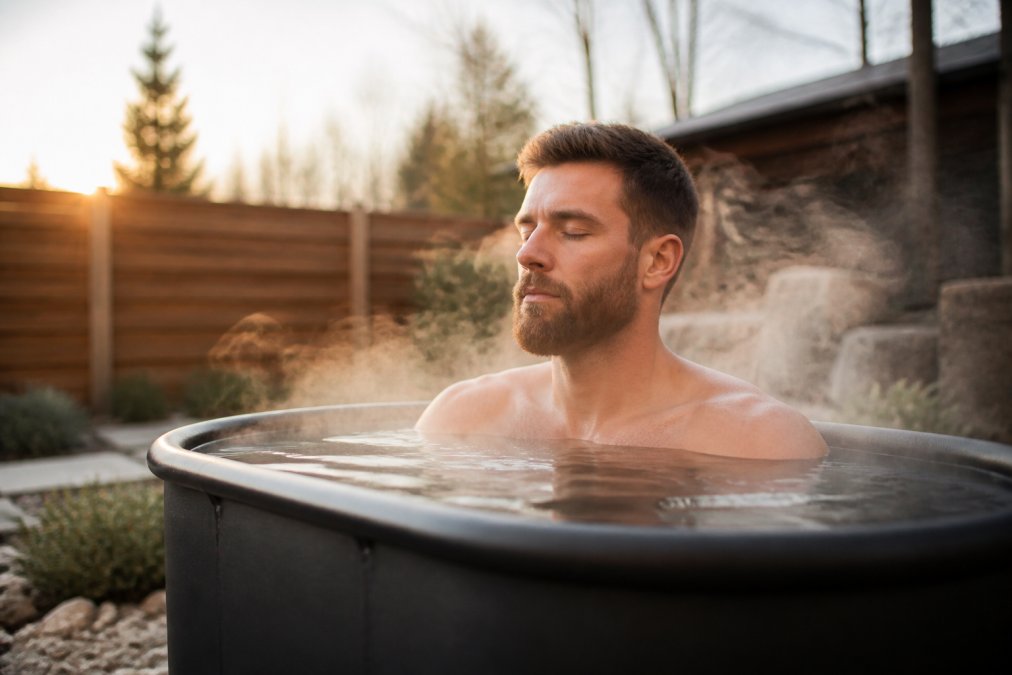
The Cold Shock Response and Hormetic Stress
The cold shock response is the body's immediate reaction to sudden cold exposure: gasping, rapid heart rate, and a surge of stress hormones. It feels alarming, and that's the point. Research from the National Center for Biotechnology Information on cold water immersion physiology describes how repeated, controlled exposure to this response builds tolerance to acute stress. Over time, the same cold that once triggered panic produces calm. That shift is neurohormesis in action, and it's why practitioners describe cold water immersion as training for the nervous system.
How Cold Water Immersion Triggers Neurotransmitter Release
The mood lift people report after a cold plunge is measurable in brain chemistry. Cold exposure triggers a cascade of neurotransmitters that regulate motivation, alertness, and emotional balance.
Dopamine response to cold exposure is the headline. A study published through the National Library of Medicine on cold water immersion and dopamine found that cold water immersion can increase dopamine concentrations substantially, with effects lasting for hours after the plunge ends. That prolonged elevation explains why people describe feeling sharper and more motivated well into the day.
Norepinephrine rises even more dramatically, driving alertness and focus. Endorphins follow, contributing to the mood elevation and mild euphoria many regulars report. Together, these chemicals address the low-energy, low-motivation states that accompany depressive symptoms.
Dopamine Response to Cold Exposure
The dopamine surge is not a fleeting spike. It's sustained, which makes cold water immersion different from quick stimulants like caffeine. In practice, this means a morning plunge can carry your focus through a workday. Consistency matters more than intensity here: a moderate plunge done regularly produces steadier neurotransmitter benefits than an occasional extreme one.
Regulating Stress and the Autonomic Nervous System
The autonomic nervous system runs the involuntary functions that govern your stress response, and cold water immersion acts as a structured reset for it. Your system has two branches, and cold exposure exercises both in sequence.
Sympathetic Activation and Parasympathetic Recovery
The sympathetic nervous system drives the acute stress response: heart rate up, blood vessels constrict, senses sharpen. Cold water triggers this deliberately. Within seconds of immersion, peripheral vasoconstriction shunts blood toward the core, heart rate and blood pressure climb, and norepinephrine floods the bloodstream. That is the cold shock response doing its job.
The interesting part is what happens next. When you exit the water and begin to rewarm, the parasympathetic branch takes over. Blood vessels dilate, heart rate drops, and the baroreflex, the pressure-sensing loop between your heart and brainstem, resets toward a calmer baseline. This is where vagal tone improves. Higher vagal tone is associated with faster recovery from everyday stressors, better emotional regulation, and lower resting heart rate. Higher vagal tone is associated with faster recovery from everyday stressors, better emotional regulation, and lower resting heart rate.
Cortisol Regulation and the Stress Curve
Cortisol is not the villain most wellness content makes it out to be. It follows a daily curve, highest in the morning, tapering through the day, and that curve matters for mood, sleep, and energy. Cortisol follows a daily curve, highest in the morning, tapering through the day, and that curve matters for mood, sleep, and energy.
The Psychological Habit Loop
The autonomic benefits only accumulate if you actually keep showing up. The dread before a cold plunge is a real, measurable stress response, and avoiding it feels like relief. That relief is a reward, which means avoidance gets reinforced every time you skip.
The fix is behavioural, not motivational. Anchor the plunge to an existing habit (after your morning coffee, before your shower), keep the session short enough that dread stays manageable, and track how you feel 30 minutes afterward rather than how long you lasted. Over weeks, the anticipated dread shrinks and the post-plunge calm becomes the reward your brain starts chasing. That shift, from avoiding the cold to seeking the calm, is the psychological habit formation that turns a novelty into a long-term mental health practice.
Cold Plunge Duration for Mental Health: How Long Is Enough?
For mental health benefits, most practitioners target 2 to 3 minutes in water between 10°C and 15°C. Longer is not better. Extended exposure raises the risk of hypothermia without adding benefit.
Beginners should start with 30 seconds to 1 minute and build gradually. Consistency beats duration every time.
| Goal | Water Temperature | Duration | Frequency |
|---|---|---|---|
| First-timer adaptation | 15°C | 30-60 seconds | 2-3x per week |
| Mood and alertness | 12-15°C | 2-3 minutes | 4-5x per week |
| Stress resilience | 10-12°C | 2-3 minutes | Daily |
Cold Water Therapy Safety Guidelines and Contraindications
Cold water therapy safety guidelines exist because cold exposure is a genuine physiological stressor. Done sensibly, it is safe for most healthy adults. Done carelessly, it can be dangerous. The physical contraindications are well covered elsewhere.
Physical Contraindications
Skip cold water immersion if you have a heart condition, uncontrolled high blood pressure, or a history of cardiac events. Cold shock places sudden demand on the cardiovascular system. People with Raynaud's phenomenon, cold urticaria, or open wounds should also avoid it. If you are pregnant or managing a chronic condition, clear it with your physician first. Never plunge alone in open water, and never combine cold immersion with alcohol.
Ice Bath Tub – Portable Cold Plunge for →
Mental Health Contraindications Most Guides Ignore
Panic disorder and severe panic symptoms. The cold shock response produces gasping, racing heart, and a surge of adrenaline, sensations that closely mimic a panic attack. For someone with panic disorder, deliberately triggering those sensations can be retraumatizing rather than therapeutic. If you have panic disorder, start only under the guidance of a clinician familiar with interoceptive exposure work, and treat the plunge as a clinical tool rather than a wellness trend.
Integrating Cold Exposure with Mental Health Care
For most people managing mild-to-moderate anxiety or low mood, cold water immersion works best as one component of a broader protocol. Pair it with breathwork, slow, controlled breathing before and during the plunge blunts the panic response and trains the same vagal pathways that support emotional regulation. Pair it with mindfulness: use the first 30 seconds of cold as an anchor for present-moment attention, noticing sensation without judgment.
Building a Cold Water Immersion Practice for Long-Term Mental Resilience
Long-term efficacy depends on patience. Short-term benefits like alertness and mood lift show up within days. The deeper changes in stress regulation and emotional resilience build over weeks and months of consistent practice. Cold water immersion integrates well with other therapies: breathwork, meditation, and professional mental health care all reinforce the same nervous-system pathways.
Conclusion
The barrier to cold water immersion isn't knowledge, it's consistency. Thermo Plunge Recovery Systems builds the equipment that makes a daily plunge realistic at home, from a portable ice bath tub for beginners to a 1/3 HP water chiller that holds 39°F without the ice runs. Every system ships free, comes with a 30-day guarantee, and is backed by 24/7 support.

Frequently Asked Questions
Why does cold water help anxiety?
Cold water immersion triggers a strong sympathetic nervous system response, releasing norepinephrine and endorphins that can elevate mood and reduce anxiety symptoms. The cold shock response also forces focused breathing, which activates the parasympathetic nervous system and promotes calm. Over time, repeated exposure builds mental resilience and improves stress regulation, helping the body return to homeostasis more efficiently after acute stress.
Do cold plunges raise cortisol levels?
Cold water immersion initially spikes cortisol as part of the acute stress response, but regular practice can improve cortisol regulation over time. The hormetic stress from cold exposure trains the autonomic nervous system to recover faster, which may lower baseline cortisol levels with consistent use. Short sessions of 1 to 3 minutes at 50°F to 59°F are generally well tolerated and support healthy stress adaptation.
How does cold water immersion affect dopamine levels?
Cold water immersion can increase dopamine release by up to 250% above baseline, according to research cited in clinical studies. This dopamine response to cold exposure supports motivation, alertness, and mood regulation. The effect is tied to the activation of the sympathetic nervous system and the cold shock response, which together create a neurochemical environment that supports mental clarity and psychological well-being.
Are there risks to cold water therapy for mental health?
Cold water therapy safety guidelines recommend consulting a healthcare provider if you have a heart condition, high blood pressure, or Raynaud's disease. Cold shock response can cause rapid breathing and heart rate spikes, so never plunge alone and always start with short durations. People with certain mental health conditions, including panic disorder, should approach cold exposure cautiously and under professional guidance.